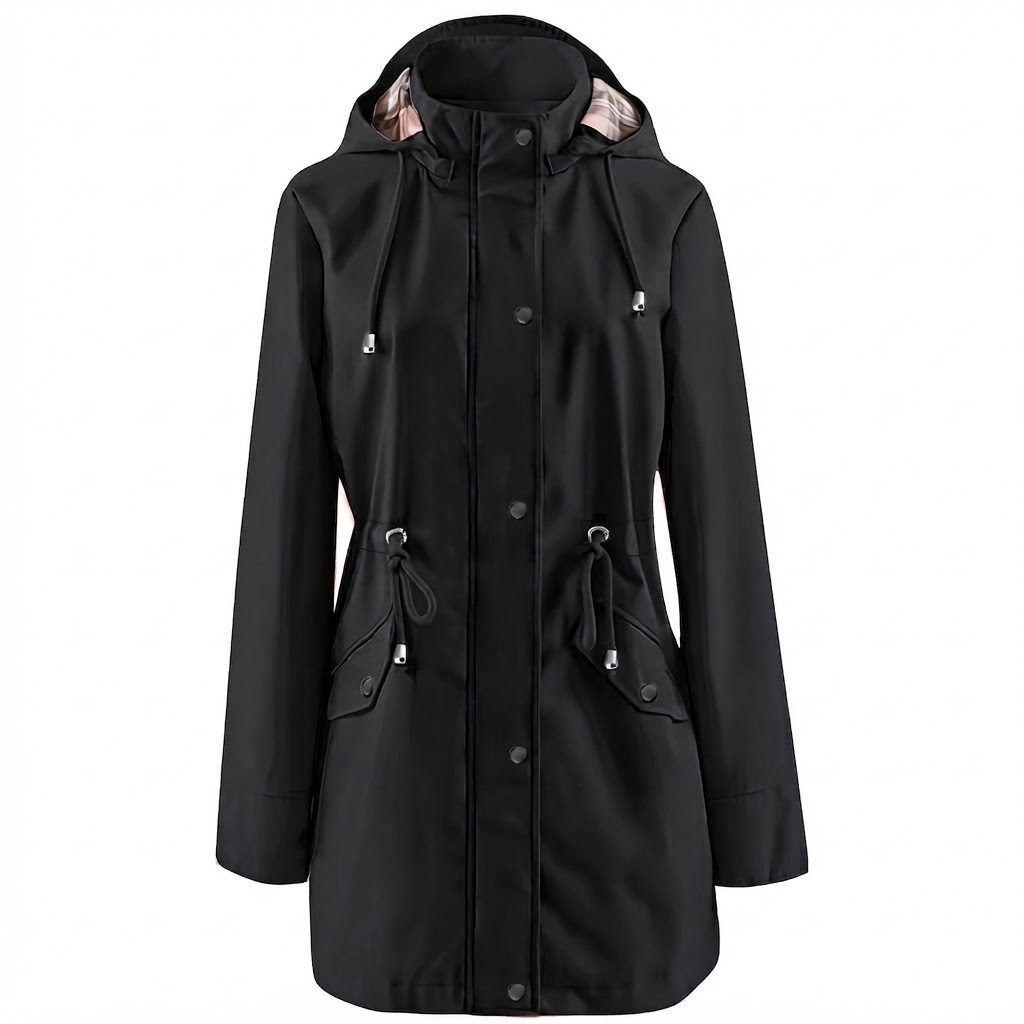
The Ultimate Guide to All-Weather Protection: The Waterproof Hooded Trench Coat
The Ultimate Guide to All-Weather Protection: The Waterproof Hooded Trench Coat
Unpredictable weather should never stop you from pursuing your plans. Whether navigating a rainy morning commute, embarking on trail hikes, or setting off on weekend getaways, having versatile outerwear is essential. The Waterproof Hooded Trench Coat is engineered for the woman who refuses to let weather dictate her day, bringing together technical rain and sun defense with an elegant silhouette.
Engineering Weatherproof Performance for Every Scenario
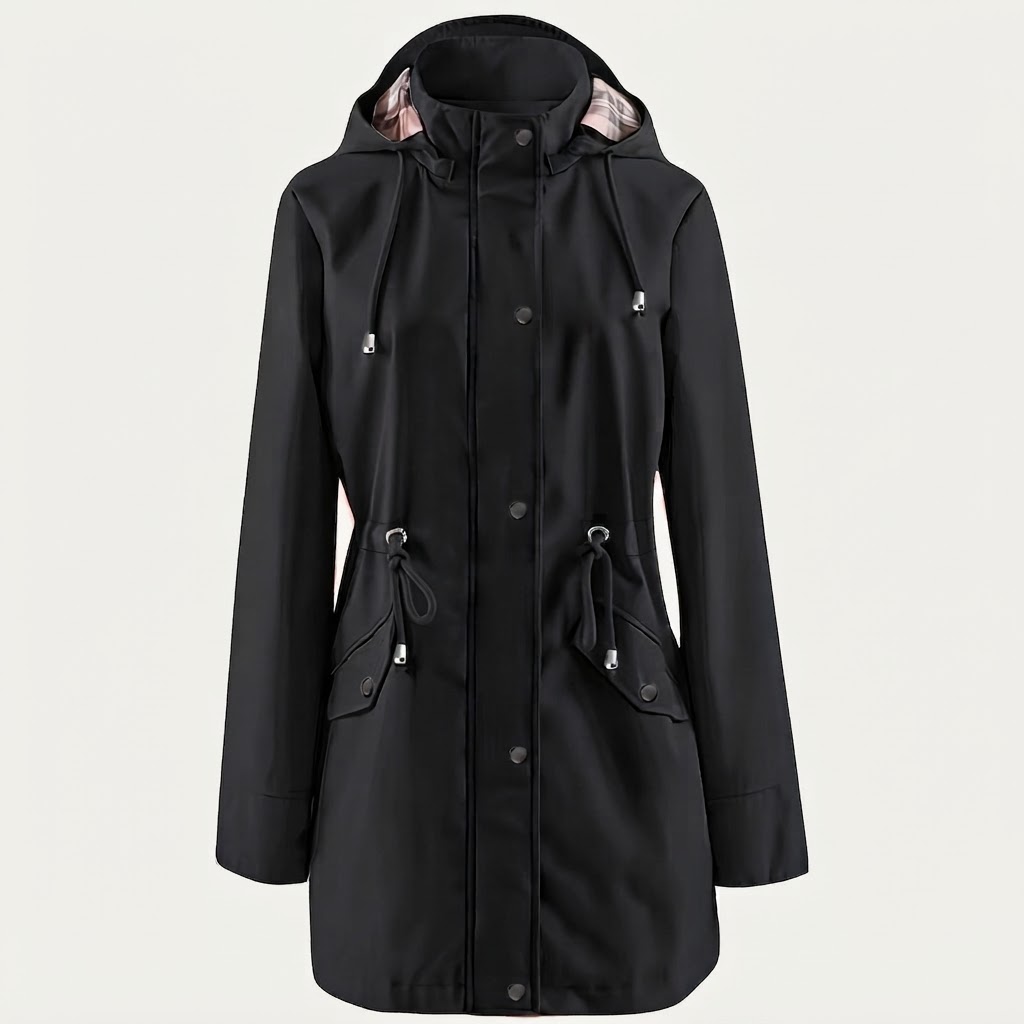
Traditional rain coats often focus strictly on moisture exclusion, leading to stifling humidity inside the garment. Modern technical apparel solves this by pairing protective outer shells with high-tech breathability. A fully waterproof outer shell with sealed seams keeps you dry in downpours, while built-in ventilation mechanisms prevent moisture buildup. Furthermore, extended exposure to bright sun requires active defense; integrating UPF 50+ sun protection blocks 98% of harmful UV rays, offering true multi-weather capability in a single layer. The engineering problem in any rain garment is a single trade-off, and everything else follows from it. A fabric that blocks water from outside also restricts water vapour escaping from inside. Push the waterproofing higher and breathability falls; open the fabric up to breathe and it starts letting rain through.
Every waterproof garment ever made picks a point on that curve, and the right point depends on what the wearer is doing. Someone working hard on a hillside needs breathability and will accept a lower waterproof rating. Someone standing on a station platform in driving rain needs the opposite.
A commuter or travel coat sits deliberately in the middle: enough waterproofing for sustained ordinary rain, enough breathability for walking pace, and the ventilation features to handle the rest. Understanding that this is a chosen compromise rather than a compromise the manufacturer failed to avoid makes the specifications far easier to read.
Core Technical Specifications and Weather Thresholds
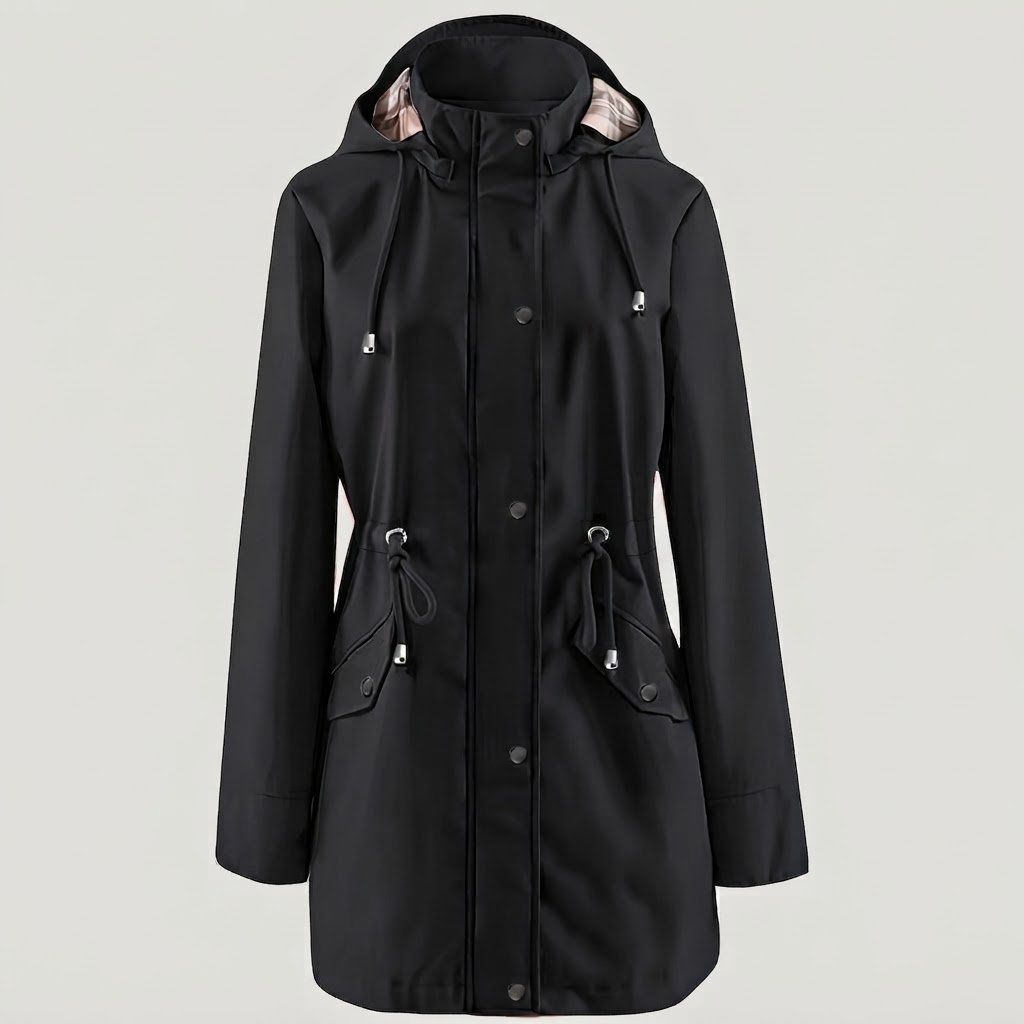
Understanding the exact metrics behind protective gear allows you to layer effectively and plan outdoor activity with confidence:
- Rain Defense Duration: Built to withstand light rain duration minutes of 120+ minutes without saturated bleed-through.
- Breathability Rating: Maintains a breathability rating gsm of 5,000 g/m², providing active airflow during energetic movement.
- Temperature Comfort Threshold: Designed for optimal performance at a temperature threshold degrees of 10°C and above when layered properly.
- Garment Mass: Engineered at a minimal total weight of 350g for effortless packing.
Seams first. Turn the coat inside out and look for tape along the shoulder and hood stitching. Stitching is a line of holes; taped seams close them and untaped seams do not, and no fabric rating compensates for an unsealed seam.
Hydrostatic head second, quoted in millimetres. Under 5,000 suits showers and short exposure. Between 5,000 and 10,000 covers steady rain and everyday use. Above 10,000 is genuinely heavy weather, and buying into that band costs breathability you will notice more often than you notice the extra protection.
Breathability third, in grams per square metre per twenty-four hours, where higher is better and matters in proportion to how hard you are working.
One term worth keeping straight throughout: water-repellent describes a surface treatment that makes rain bead and roll off, and it wears away with use and dirt. Waterproof describes the fabric's own barrier. When a coat starts feeling wet through, it is nearly always the repellent finish that has gone, not the barrier, and that is a wash-and-reproof problem rather than a failed coat.
Key Design Features: Tailored Fit Meets Utility
Functional outerwear does not require compromising on aesthetic appeal. Strategic design elements ensure a customized, comfortable fit across varied body types and activity levels:
Made from a specialized 100% Polyester, this piece delivers reliable durability without stiffness or noise during movement. The features that decide whether a coat works in wind, as opposed to merely in rain, are all adjustments.
The hood is the most important and the most often badly done. A hood that moves with your head, held by a rear adjuster and a face drawcord, keeps rain off when you look sideways. A hood that stays put while your head turns is decoration. Check whether it is generous enough to go over a hat, and whether it stows or rolls away when it is not needed.
Cuff tabs stop water running down the forearm when you raise an arm, which is the usual route for water to get inside a coat that is otherwise sealed.
A belt or hem drawcord stops wind funnelling up from below, which does more for warmth than the fabric weight does.
Pockets want zips and want to sit above where a bag strap crosses.
On fit, size for the layer you expect to wear underneath. A shell provides almost no insulation on its own; what it does is stop wind stripping heat away, which makes a jumper underneath far more effective. That only works if there is room for the jumper.
Maintaining Your Waterproof Trench Coat over Time
To preserve seam seals and technical coatings, routine cleaning should strictly adhere to care guidelines. Always wash at a maximum wash temperature celsius of 30°C on a delicate cycle using mild liquid detergent. Avoid fabric softeners or harsh bleach, as these break down waterproof membrane treatments. Hang dry away from direct hot sunlight to maintain the integrity of the shell and UPF properties for years of continued outdoor performance.
Waterproof garments last a long time when cared for and fail quickly when not, and the difference comes down to a few habits.
Wash it more often than instinct suggests. Dirt is the main cause of a coat wetting out, because grime holds water against the surface and defeats the repellent finish. A coat that has stopped beading usually needs a wash rather than a replacement.
Use a mild liquid detergent or a technical wash, never fabric softener, and run an extra rinse. Softener deposits a coating that attracts water, which is precisely backwards for rainwear and is the single most common way people ruin a good coat.
Remove the belt first and fasten every zip before washing, then wash the coat alone rather than in a full load.
Dry on a broad hanger away from radiators and direct sun.
Reproof once a season if the coat is in regular use, or whenever water stops beading after a wash. Spray-on products treat specific areas like shoulders and cuffs where wear is heaviest; wash-in products treat the whole garment. Check the label on heat, since some finishes cure with gentle warmth and some coats forbid a tumble dryer entirely, in which case a cool iron with a cloth in between does the same job.
Between seasons, store it hung and dry rather than folded in a bag. A coat packed away damp is a coat with a problem waiting in the autumn.
Related in this cluster
- Understanding Waterproof Ratings and UPF Protection in Women's Outerwear
- Packable Rain Jackets vs. Traditional Trench Coats: Which Do You Need?
- Why the Waterproof Hooded Trench Coat is the Only Travel Outerwear You Need
- How to Properly Clean and Care for Your Waterproof Trench Coat
- Frequently Asked Questions About Women's Waterproof Trench Coats
- 5 Key Features to Look for in an All-Weather Commuter Jacket