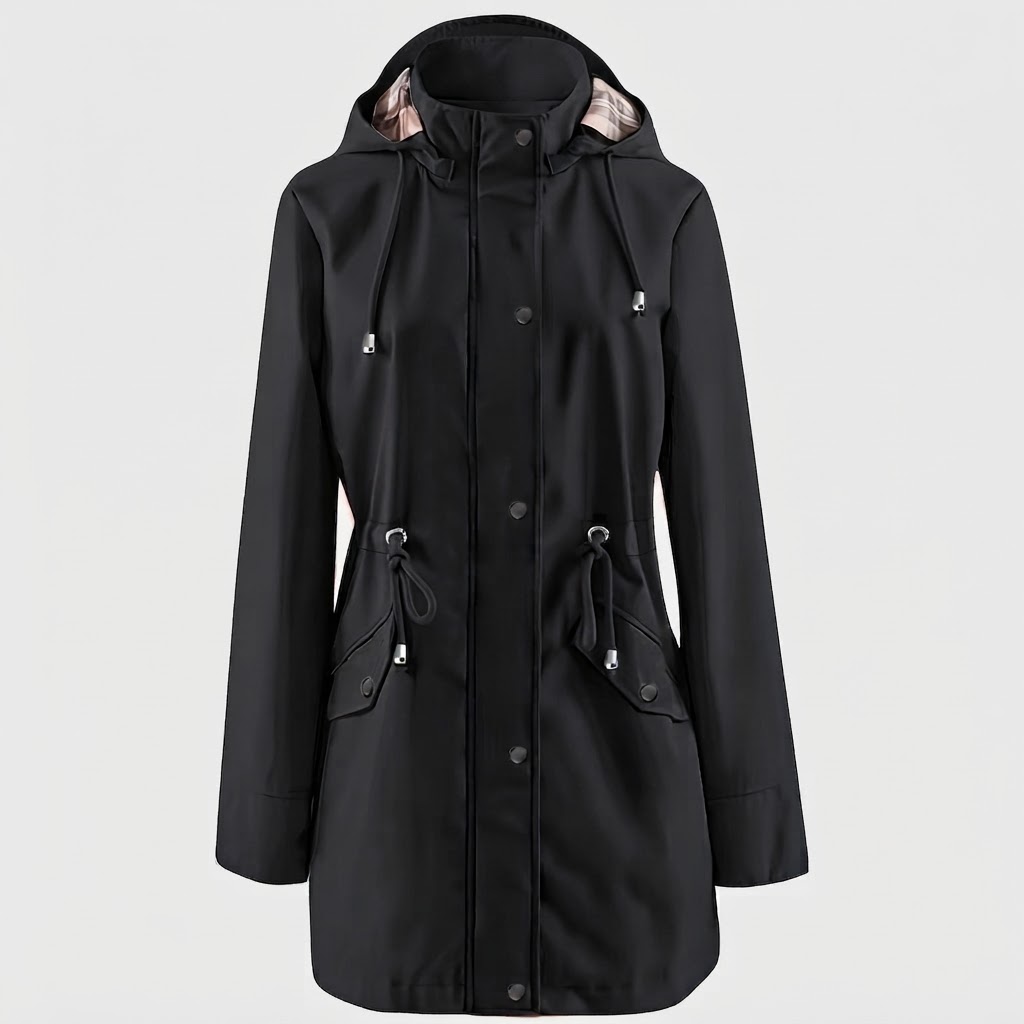
How to Properly Clean and Care for Your Waterproof Trench Coat
How to Properly Clean and Care for Your Waterproof Trench Coat
Proper care is vital to maintaining the technical longevity of waterproof coatings and breathable linings. Follow these simple steps to wash and preserve your Waterproof Hooded Trench Coat without damaging sealed seams or surface coatings.
Step 1: Prepare the Garment and Clear Pockets
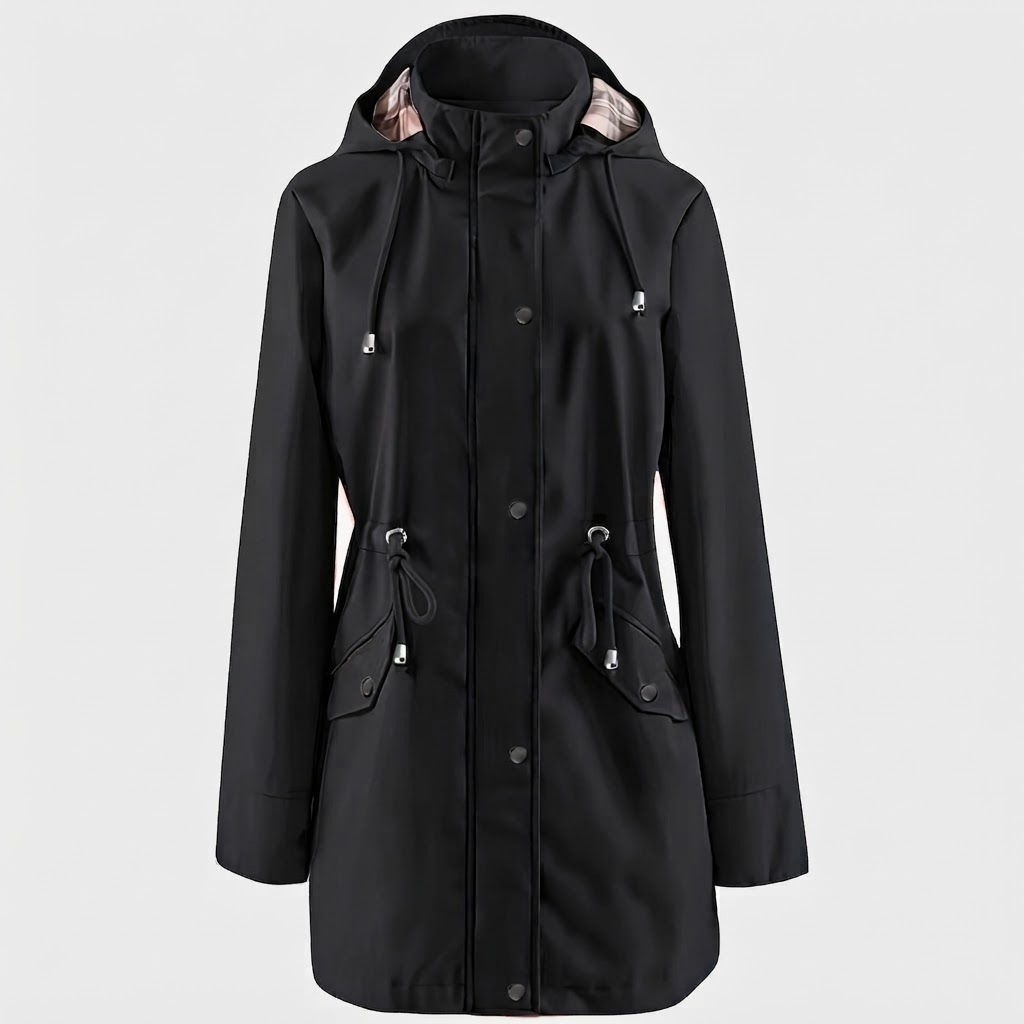
Before washing, empty all personal items from the coat. Two deep zippered pockets keep your essentials secure during wear, but leaving items inside during washing can stretch the fabric. Zip up all pockets, fasten snap-button cuffs, and loosen the cinchable waist drawstrings to prevent snagging during the wash cycle. Take the belt off before anything else. Belt hardware loose in a drum abrades whatever it lands against for the whole cycle, and the fabric it usually lands against is the coat's own shell.
Fasten every closure: the main zip or buttons, the pocket zips, and any cuff tabs. Open fastenings catch on fabric during the wash and an open zip is the most common cause of a snag or a pull in a lightweight shell.
Check the pockets properly, including any inner ones. A forgotten tissue is an irritation; a pen is a ruined coat.
Then deal with visible dirt before washing rather than expecting the machine to lift it. Splash marks along the hem and around the cuffs respond to a soft cloth and a little water. This matters more on a waterproof garment than on ordinary clothing, because surface dirt is the main thing that stops a water-repellent finish from working, and washing dirt off is often all a coat that has started wetting out actually needs.
Step 2: Wash at Recommended Temperatures
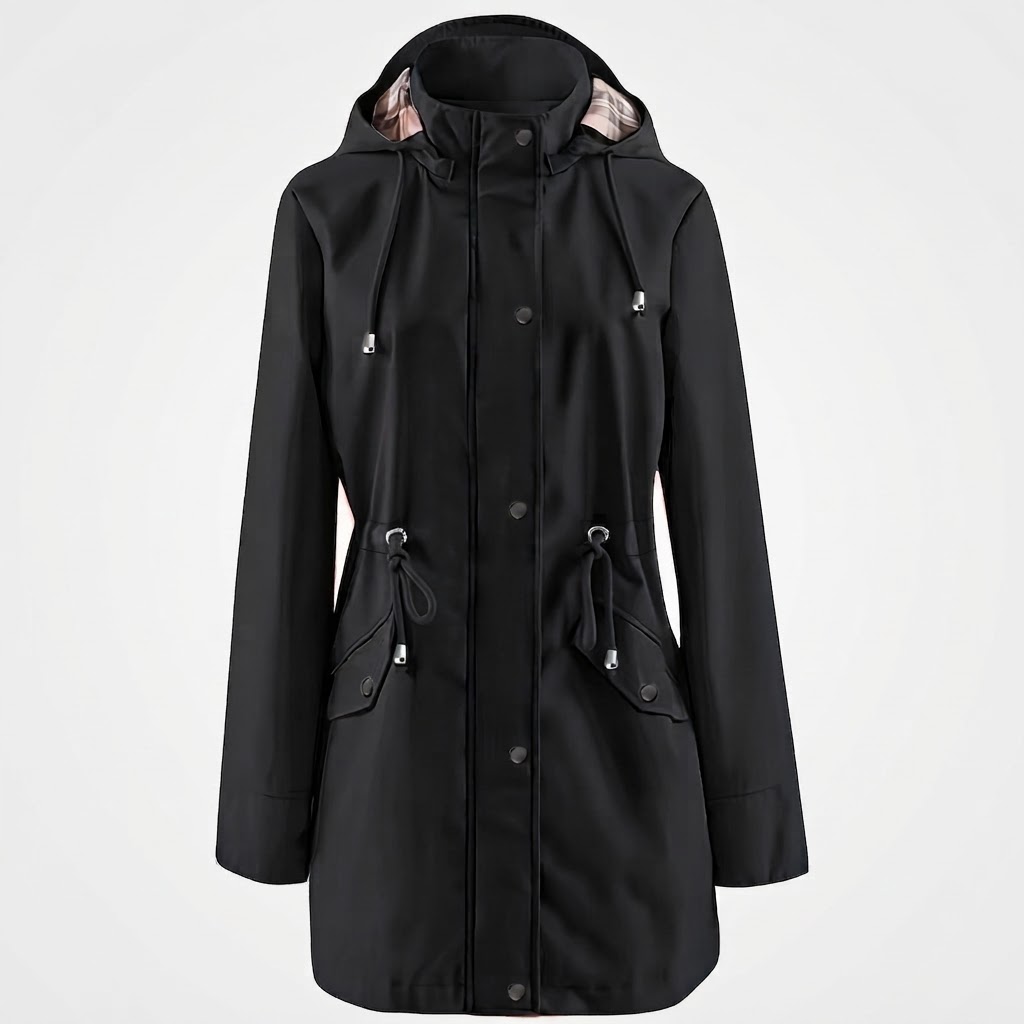
Place the coat in a mesh laundry bag to protect technical outer membranes. Wash at a gentle setting with a maximum wash temperature celsius of 30°C using liquid detergent free of optical brighteners or additives:
- Do not use fabric softeners, as they clog membrane pores and degrade breathability rating gsm performance of 5,000 g/m².
- Do not use bleach, which damages seam tape adhesives.
Use a mild liquid detergent, or better, a technical wash made for waterproof garments. Powder detergents tend to leave residue in the fabric that behaves the same way softener does.
Wash on a gentle cycle at a low temperature, with a low spin. Run an extra rinse afterwards, since residue is the enemy here and one rinse often leaves some behind.
Wash the coat on its own rather than in a full load. A packed drum abrades the shell fabric and does not rinse thoroughly, and both of those matter more on a technical garment than on a shirt.
Step 3: Air Dry and Reactivate Water Repellency
Hang the coat on a wide padded hanger in a well-ventilated shade area. Avoid direct high sunlight during drying to protect built-in UPF 50+ sun protection properties. Once fully dry, check the water-repellent finish. If needed, apply an approved re-proofing spray recommended by Nikwax to maintain peak performance during light rain duration minutes of 120+ minutes.
Read the full guide: The Ultimate Guide to All-Weather Protection: The Waterproof Hooded Trench Coat
Hang it on a broad hanger rather than draping it over a rail, so the shoulders keep their shape, and dry it away from direct heat. Radiators and hot sun are the two things that damage waterproof coatings, and they do it invisibly, which is why the damage is usually attributed to the coat rather than to the drying.
Once it is dry, it is worth knowing what wetting out actually is, because it is the most misunderstood thing about rainwear. When a coat starts looking soaked through and feeling cold and clammy inside, the waterproof barrier has usually not failed at all. What has failed is the water-repellent finish on the outside surface, so instead of beading, rain spreads across the fabric and saturates the outer face. The inside stays dry but feels damp because the wet outer layer conducts heat away.
The fix is straightforward. Wash the coat first, since dirt alone causes this. If beading does not return, apply a reproofing product, either a spray-on for spot treatment or a wash-in for the whole garment. Follow the product's instructions on heat: some need gentle warmth to cure, and where the coat's own label forbids a tumble dryer, a cool iron with a cloth between iron and coat is the usual alternative.
Done once a season for a coat in regular use, this keeps a rain garment working for years rather than for one winter.