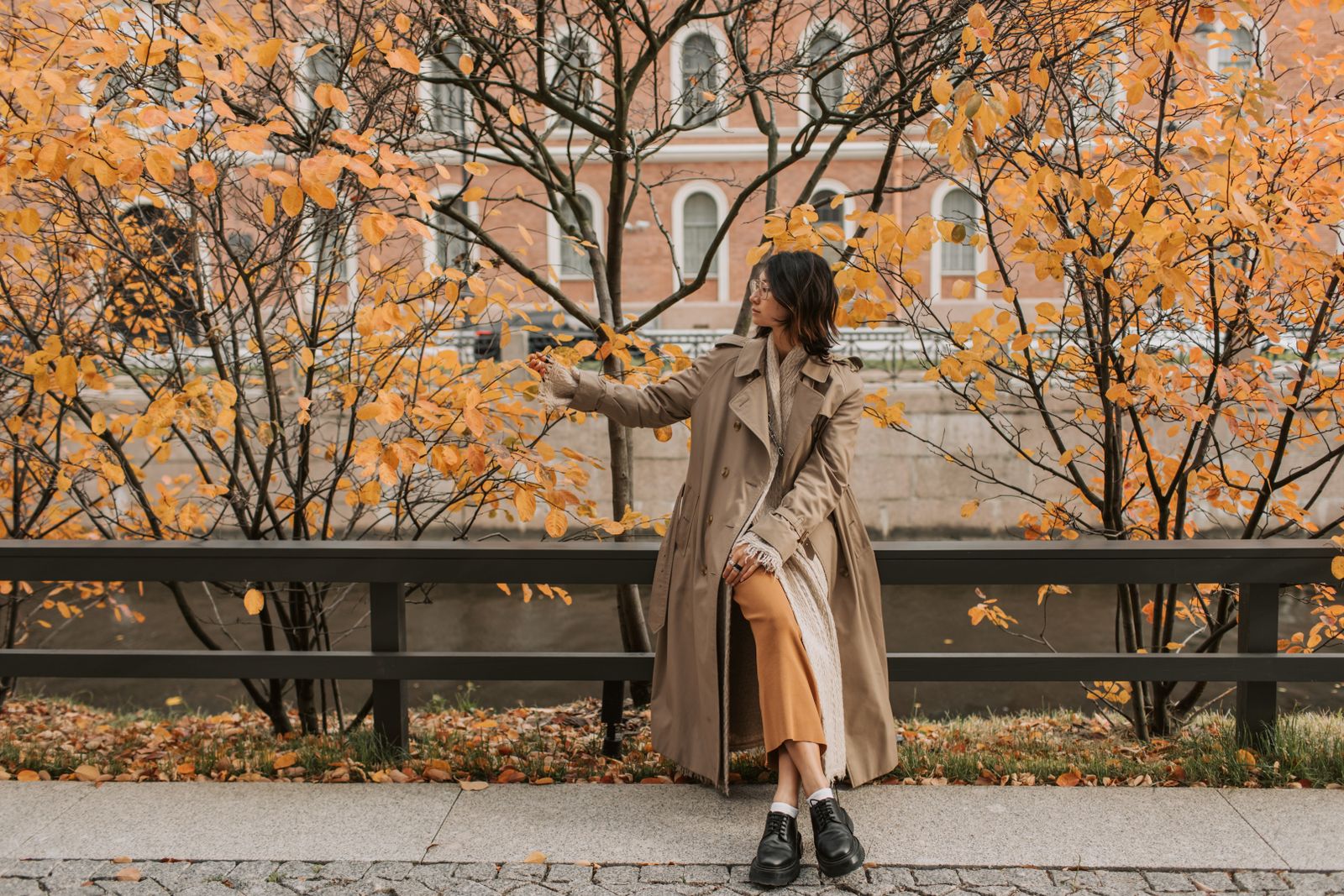
Packable Waterproof Trench Coat vs. Rain Shell: All-Season Travel Layering Guide
Should you pack a rigid technical rain shell or a lightweight, packable waterproof trench coat for multi-climate travel?
Choose a packable waterproof trench coat if your itinerary spans city commutes, humid trail hikes, and variable sun and rain where thigh-length coverage, UPF 50+ sun protection, and lightweight packability matter most. Choose a heavy technical rain shell only for alpine mountaineering or prolonged sub-freezing downpours where rigid exterior armor takes priority over breathability and versatile styling.
Packable Trench Coat vs. Heavy Rain Shell: Scenario Comparison
| Travel Scenario | Packable Waterproof Trench Coat | Heavy Technical Rain Shell | Optimal Choice & Rationale |
| --- | --- | --- | --- |
| | | | |
| | | | |
| | | | |
| | | | |
| | | | |
Compare how each jacket type performs under specific real-world travel weather conditions and packing constraints.
Failure Modes & Critical Trade-Offs
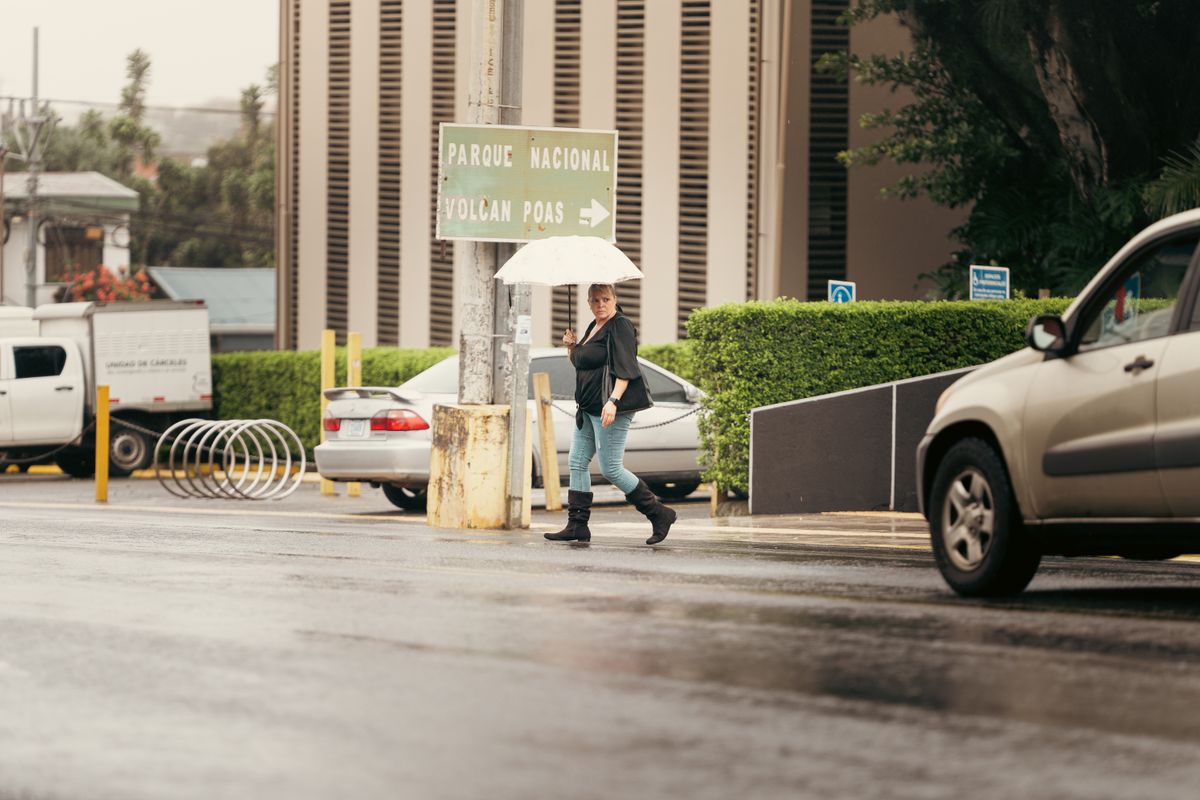
Photo by Mario Spencer on Pexels
Pros
- Thigh-length coverage stops rainwater from pouring off the jacket trim and soaking upper pants and legs.
- Integrated UPF 50+ sun defense protects skin from UV rays during high-altitude sun or cloud-scattered UV days.
- Breathable inner mesh lining eliminates the sticky, clammy feel of unlined waterproof coatings in humid weather.
- Self-stowing pocket design allows the entire trench coat to compress into a compact, packable bundle.
- Drawstring waist customization lets you switch from a flattering, feminine fit with light layers to a relaxed fit over thick fleece.
- Extended thigh length can restrict full stride mobility during extreme vertical rock scrambling compared to hip-length shells.
- Lightweight packable fabric offers less rigid structural stiffness against extreme heavy alpine abrasion than 70-denier mountain hardshells.
Expert Travel Tip: Managing Thermal Microclimates and Sun-to-Rain Transitions
When traveling through regions with rapidly shifting microclimates—such as the Pacific Northwest or coastal European trails—the biggest mistake travelers make is dressing strictly for rain. UV intensity on high-altitude trails or overcast days can inflict severe sun damage, while wet asphalt and water droplets amplify UV reflection.
Use your jacket's adjustment points to manage thermal build-up. In warm rain, open the snap-button cuffs to promote chimney-effect airflow upward through the breathable mesh lining, while keeping the main zipper up to lock out water. When rain stops but UV exposure remains intense, keep the UPF 50+ jacket on, unzipped, to remain protected without overheating.
All-Season Travel Layering System Flowchart
- Is your primary activity technical alpine rock climbing or sub-zero mountaineering? → Yes: Select a heavy, rigid technical 3-layer rain shell for maximum rock abrasion resistance.. No: Proceed to the next evaluation: climate and destination versatility.
- Will your journey combine city commuting, trail walking, and variable rain or sunny weather? → Yes: Choose the Packable Waterproof Trench Coat for thigh-length rain protection, UPF 50+ defense, and customizable styling.. No: Evaluate standard mid-layer options.
- Are you packing strictly with a 40L carry-on bag or less? → Yes: Choose the Packable Waterproof Trench Coat—it self-stows into its pocket to save over 50% storage space vs rigid shells.. No: Either jacket type will fit inside larger checked luggage.
Summary: Essential Rules for Multi-Weather Travel Layering
- Coverage Prevents Wet Legs: Hip-length rain shells dump runoff onto upper thighs and knees, whereas mid-length trench coats keep lower clothing completely dry.
- UV Defense Matters in Rain: Clouds only block 20% of UV rays; wet surfaces reflect sunlight, making UPF 50+ fabric essential for all-day outdoor activity.
- Mesh Linings Beat Condensation: Sealed waterproof shells without breathable linings trap internal sweat, making you wet from the inside out in humid climates.
- Adjustability Enhances Versatility: A cinchable waist allows a single jacket to fit flatteringly over a light tank top in summer or a down sweater in autumn.
Detailed Technical Specifications & Fabric Architecture
| Feature / Specification | Waterproof Hooded Trench Coat | Standard Technical Rain Shell |
| --- | --- | --- |
| | | |
| | | |
| | | |
| | | |
| | | |
| | | |
| | | |
| | | |
Examine the technical construction, fabric properties, and hardware specifications comparing the two outerwear categories.
Decision Support Breakdown: Matching Outerwear to Travel Profiles
For light-packers, digital nomads, and multi-destination travelers who navigate fluctuating weather, the Waterproof Hooded Trench Coat delivers unbeatable versatility by combining complete rain protection, UPF 50+ sun shielding, and an adjustable, flattering silhouette.
Best choice for
- Packable Waterproof Trench Coat — Transitions gracefully between urban environments and outdoor state parks while providing full thigh rain coverage.
- Packable Waterproof Trench Coat — Breathable mesh lining prevents interior clamminess when rain hits warm ambient air.
- Packable Waterproof Trench Coat — Folds neatly into its own pocket, occupying minimal volume inside carry-on luggage.
- Avoid trench coats if your primary travel focus involves technical high-alpine rock climbing or severe vertical bushwhacking requiring rigid 70-denier hardshell fabric.
- Avoid hip-length rain shells if you dislike soaking your thighs and pants during torrential rainstorms in cities or on gentle hiking trails.
- Mid-Layer Fleece + Packable Trench Combination — Provides full waterproof protection and adjustable thermal insulation for temperatures ranging from 35°F to 75°F.
Featured Travel Outerwear Recommendation

Photo by Patricia Bozan on Pexels
Engineered for the woman who refuses to let weather dictate her plans, the Waterproof Hooded Trench Coat combines serious sun and rain protection with a sleek, flattering silhouette.
Real-World Travel Scenarios: Where Each Jacket Succeeds or Fails
Failure Mode 1: Soaked Thighs in Urban Rainstorms — Hip-length rain shells stop at the belt line, dumping rain runoff directly onto your denim or travel trousers. A mid-length waterproof trench coat extends down past the thighs, directing water down below the knees to keep your pants completely dry.
Failure Mode 2: Overheating & Sweating in Warm Coastal Drizzle — Standard unlined rain jackets lock in body heat and moisture, making you feel drenched from sweaty condensation inside. The breathable mesh lining of the Waterproof Hooded Trench Coat keeps raw waterproof membrane away from your skin, allowing heat to escape.
Failure Mode 3: Unexpected Altitude UV Exposure After Rain Clears — Rain shells offer no rated protection against UV rays when skies clear suddenly on trail hikes. The UPF 50+ rated trench fabric safeguards your skin against solar radiation through broken clouds and reflective damp terrain.
Failure Mode 4: Overstuffed Carry-On Luggage — Heavy alpine shells take up massive volume in a travel backpack. The self-pocket packing system of the Waterproof Hooded Trench Coat condenses the jacket into a neat rectangle that fits easily into any bag.
Examine how each option handles real failure modes across specific travel situations.
When evaluating outerwear for travel, many adventurers default to buying technical alpine rain shells designed for high-altitude mountaineering. However, real-world travel environments—ranging from rainy cobblestone streets in Europe to humid coastal state park trails—present very different challenges than alpine rock climbing.
The Failure of Short Technical Shells
The most frequent complaint travelers have with standard rain shells is coverage length. A hip-length technical jacket ends right at the waistline. During a sustained downpour, all the water sheeting off your hood and shoulders drips directly onto your thighs. Within fifteen minutes of walking, your pants are completely soaked through.By contrast, a mid-length trench coat acts as an extended weather shield. Water runs off past your knees, leaving your mid-layer pants dry. This added coverage makes walking to dinners, standing at open-air transit stops, or trekking along damp forest trails infinitely more comfortable.
Why Dual Sun (UPF 50+) and Rain Defense Matters
Weather on travel days is notoriously unpredictable. A morning downpour can swiftly clear into intense afternoon sunlight. Solar radiation is especially potent at higher elevations or near bodies of water, where wet ground acts like a mirror to amplify UV light.Standard rain shells rarely carry a UPF sun protection rating. The Waterproof Hooded Trench Coat is woven from high-density fibers rated at UPF 50+, blocking 98% of harmful UVA and UVB rays. You stay shielded against skin damage during clear trails without needing to swap jackets when the clouds split.
Overcoming Interior Condensation with Breathable Mesh
A common failure of cheap rain coats and unlined 2.5-layer jackets is interior wetting out from body perspiration. In warm or humid rain (65°F and above), non-breathable rubberized coatings or raw membrane linings trap moisture inside. You end up just as wet from sweat as you would be from rain.Featuring an engineered interior mesh lining, the trench coat creates a physical barrier between your skin and the waterproof membrane. Air flows freely inside the jacket body, accelerating moisture evaporation and keeping you dry and comfortable whether rushing through an airport terminal or hiking coastal ridges.
Customizing Silhouette & Thermal Layering
A major advantage of a trench coat with an internal drawstring waist and snap-button cuffs is adaptability. When temperature drops into the 40s, simply loosen the waist cord to layer a fleece pullover or slim down sweater underneath. As temperatures warm, cinch the waist back in to restore a tailored, flattering feminine silhouette.Frequently Asked Questions About Travel Outerwear Layering
Find fast, practical answers to common travel layering and coat performance questions.
Actionable Next Steps for Packing Your Outfit
Your decision: Choose the Packable Waterproof Trench Coat for versatile, multi-climate travel with city-to-trail coverage, or a rigid Rain Shell for specialized high-altitude mountaineering.
Do this next: Select your color and size in the Waterproof Hooded Trench Coat, pack a mid-weight fleece for cold weather transitions, and test your pocket self-packing before departure.
- Read next: How to Layer Under a Waterproof Trench Coat in Warm, Humid Rain
- Read next: How to Make a Raincoat Look Less Bulky: A Fit & Adjustment Guide
Waterproof Hooded Trench Coat (UPF 50+, fully waterproof sealed seams, packable into pocket).
Follow these steps to complete your travel outerwear preparation before your next journey.
Explore Related Layering and Travel Guides
Connect readers to cluster topics for humid weather, fitting guides, and styling tips.
Cover photo by Vlada Karpovich on Pexels.