Packable Rain Jackets vs. Traditional Trench Coats: Which Do You Need?
Packable Rain Jackets vs. Traditional Trench Coats: Which Do You Need?
Choosing the right outerwear often forces a compromise between refined style and packable utility. Traditional trench coats offer structured sophistication but lack portability, while standard rain jackets fold small but look overly sporty for urban environments.
The Limitations of Traditional Trench Coats
Classic cotton-blend trench coats provide iconic street style, but they suffer from significant drawbacks in heavy precipitation:
- They become heavy and waterlogged when exposed past a light rain duration minutes of 120+ minutes.
- Their structured heavy fabrics weigh over 350g and cannot be stowed in a handbag.
- They lack high-level UV blocking, missing out on UPF 50+ sun protection blocks 98% of harmful UV rays.
What it was never designed to be is packable. Gabardine is dense and heavy, and it does not compress. A classic trench takes up as much room in a case as several days of clothing, and it weighs enough that carrying it over an arm through an airport is a genuine nuisance.
Its water resistance is also a matter of degree rather than an absolute. A tight weave sheds rain well for a while, particularly with a proofing treatment, but it is not a waterproof membrane and it will eventually take on water in sustained heavy rain. Once wet, dense cotton is slow to dry and noticeably heavier, which is the practical reason it suits a walk to the office better than a day out in the weather.
The Trade-Offs of Standard Ultralight Rain Shells
Ultralight rain shells prioritize small packing sizes, but they often sacrifice fit and temperature regulation:
- Without internal air channels, they stick to bare arms in warm humidity.
- Boxy cuts lack cinching options to tailor the waistline.
- Minimalist hoods offer little protection against gusting wind.
They are genuinely waterproof and pack down to almost nothing, which is exactly what a technical shell should do. What they give up is durability and appearance. Very light fabrics are thin, and thin fabrics tear on brambles, snag on bag straps, and wear through at the shoulders where a rucksack sits.
They also breathe poorly relative to their weight, because the lightest waterproof fabrics tend to have the least sophisticated moisture management, which is what makes them clammy during any exertion.
And there is the plain matter of how they look. An ultralight shell reads as sports equipment. It is fine on a hillside and conspicuously out of place over anything smart, which is why so many people who own one still find themselves without a coat when the rain starts on a city trip.
The Hybrid Solution: Packable Waterproof Hooded Trench Coats
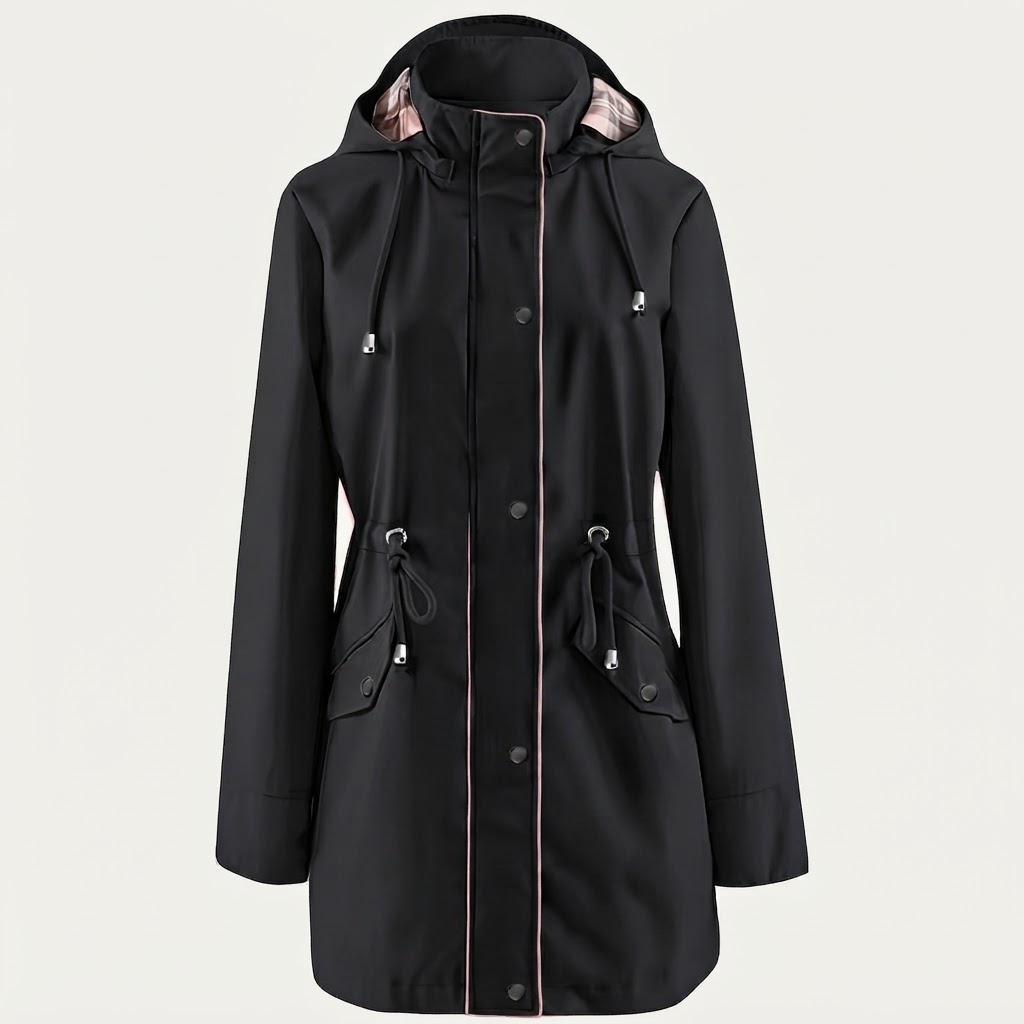
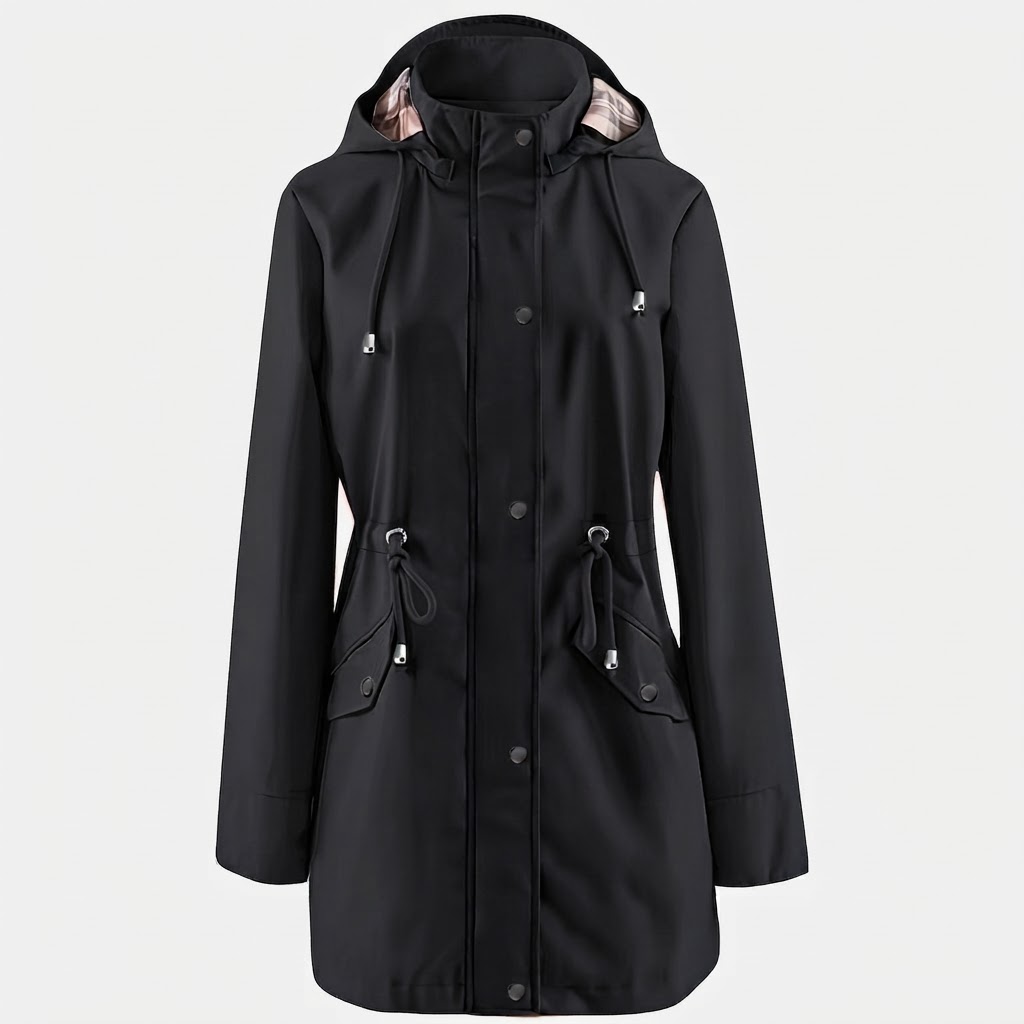
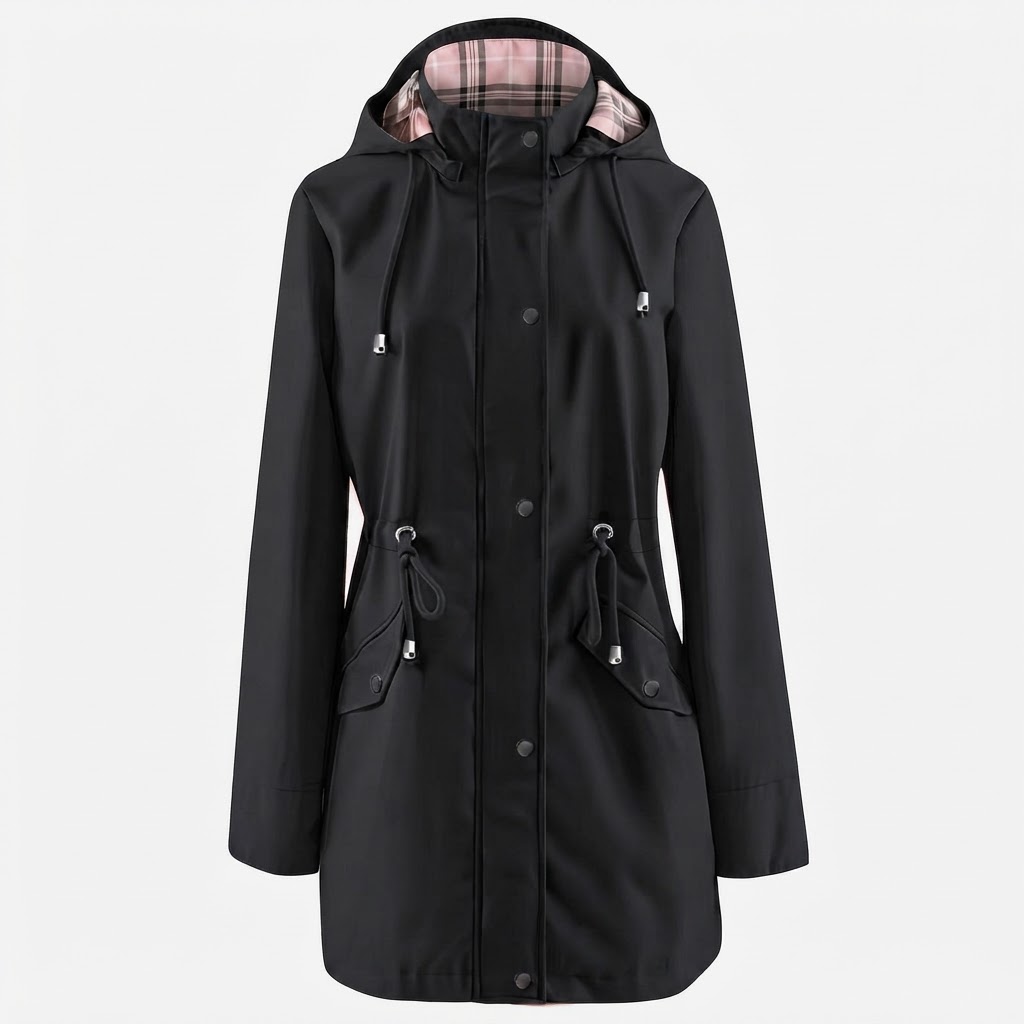
Modern hybrid coats blend both worlds seamlessly. As highlighted in the main guide, the Waterproof Hooded Trench Coat delivers full technical weatherproofing while maintaining an elegant aesthetic.
Featuring a cinchable waist creates a flattering, feminine silhouette, combined with the fact that it is lightweight and packable — folds into its own pocket for travel—you get street-ready style with trail-ready weather defense. Furthermore, two deep zippered pockets keep your essentials secure wherever your journey leads.
Read the full guide: The Ultimate Guide to All-Weather Protection: The Waterproof Hooded Trench Coat
The hybrid sits between the two, and it is worth being honest that sitting between two things means matching neither at its best.
Against a classic gabardine trench, it will not have the same substance, the same drape, or the same longevity. Dense woven cotton ages well over decades; a technical shell has a working life measured in years.
Against a serious mountain shell, it will not match the highest waterproof ratings or the best breathability, and it is not built for a rucksack worn over it all day.
What it does better than either is cover the common case. Most rain most people encounter is moderate, most of it happens in a city, and most of the time the coat needs to look acceptable at the other end. A packable coat with sealed seams, a hood, and a shape that reads as a coat rather than as kit handles all of that, and it fits in a case.
The deciding question is what you actually do. Regular hillwalking argues for the technical shell. A wardrobe coat worn daily in a temperate city argues for the classic trench. Travel, commuting, and unpredictable weather argue for the hybrid.