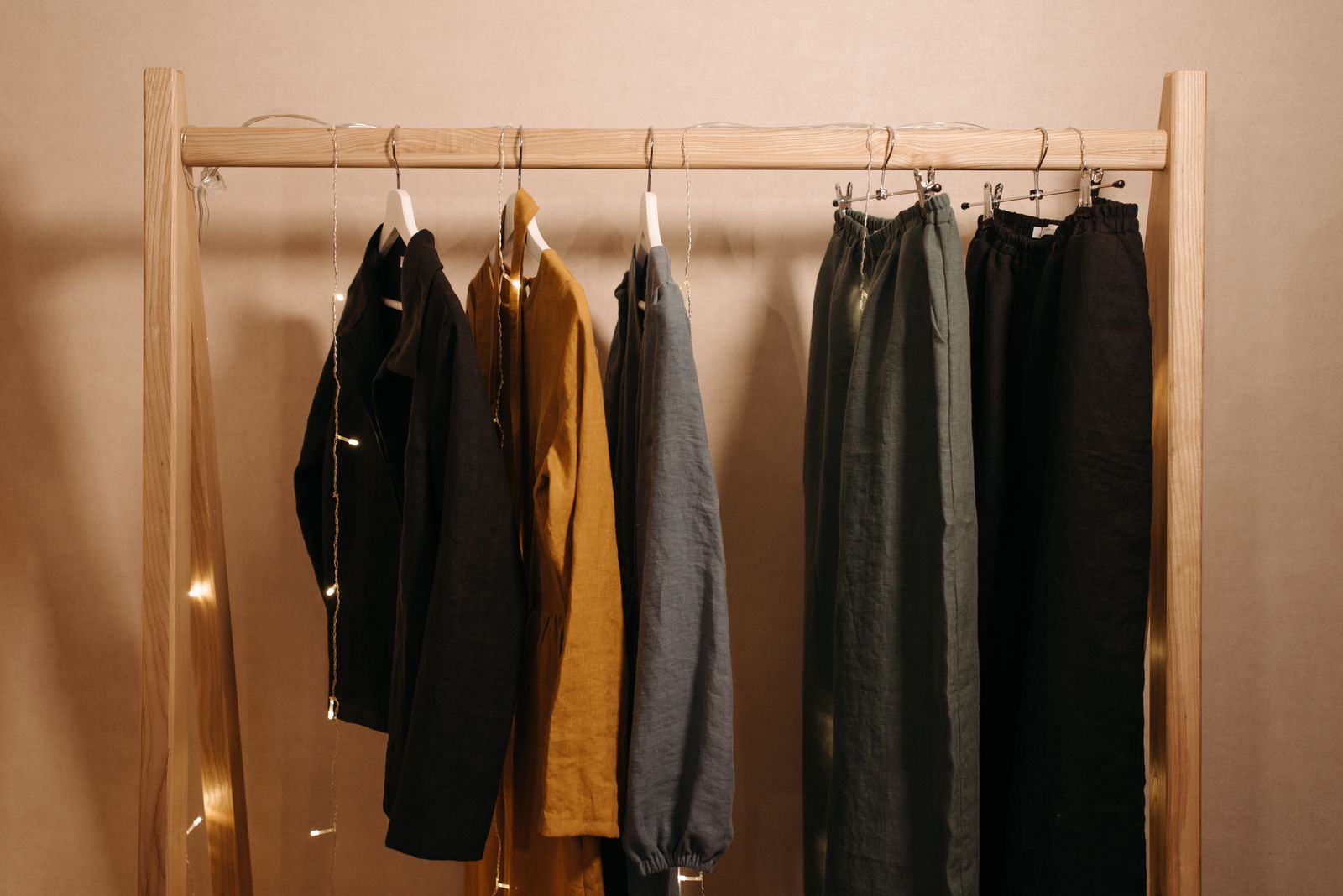
How to Style a Cinchable Waist Waterproof Coat for Every Body Shape
To style a cinchable waist waterproof coat on every body shape, start with the right size, then use the drawstring as a shape tool rather than a decoration. The Spring Jacket Waterproof Hooded Trench Coat runs slightly generous to allow layering; size down one size for a closer fit over a single shirt. Put the coat on, settle the shoulders, then cinch at the true waist so the 350g 100% polyester shell shows a waistline instead of a rectangle. Hood, snap-button cuffs, and the cinch work independently, so rain protection and silhouette do not fight each other.
Cinchable is a fit system, not a one-size trick
A drawstring waist cannot fix a coat that is two sizes off. If the shoulders swallow the arms, size down. If a sweater needs to sit underneath on a 10°C morning, keep the slightly generous size and cinch over the extra layer. The listed rule is that simple: generous for layering, down one size for a fitted look, cinch either way.
Cinch after both arms are in the sleeves. Tightening first, then fighting the hem over the hips, twists the front. Find the natural waist with the coat closed, pull even on both sides, and stop when the fabric defines the middle without cutting a deep crease.
The guide to adjusting a drawstring waist for a storm-ready fit is the hardware walkthrough. This page is how that cinch reads on different bodies.
Where to place the cinch on different shapes
If the waist is defined, cinch there and let the trench skirt over the hips. If the waist is less defined, cinch at the smallest part of the torso, even if that is slightly higher, so the coat still makes a vertical break. If the hips are the widest point, do not cinch so hard that fabric pools above the hip; leave enough ease that the hem can hang.
A longer torso can wear the cinch a finger lower so the coat does not look cropped in the body. A shorter torso should keep the cinch higher so the hem still covers. The trench is not a belt-only garment; it is a waterproof shell with a shape control.
Fuller bust: settle the zip and placket first, then cinch so the waist, not the chest, takes the tension. The slightly generous cut is the friend here. Petite frames: size down if layering is not needed, then a light cinch so 350g of polyester does not blouse.
What to wear under the cinch so it actually shows
Smooth, simple tops let the waist read. A thick hoodie bunched under the drawstring hides the cinch on every body. A shirt, light knit, or travel dress that already has a vertical line will show through a waterproof trench. The coat has a breathable mesh lining, so one good layer is enough in 50-70°F weather.
Two zippered pockets should sit usable after the cinch. If pocket openings lift and gap, the waist is too tight or too high. Loosen a notch. Hands still need to reach a phone in the rain.
Hood down and laying flat at the collar keeps the upper body clean so the waist is the feature. Hood up in rain is the other look; cinch still holds the silhouette in wind so the hem does not sail.
Cinch strategy by styling goal
| Goal | Size choice | Cinch | | --- | --- | --- | | Layer a sweater near 10°C | Slightly generous as listed | Cinch over the sweater, not before | | Fitted look over a tee | Size down one | True waist, even pulls | | Softer rectangle, less definition | True size | Light cinch or none | | Wind on a waterfront | True size | Firm cinch so the hem stays put | | Dress underneath | True size or down one | Cinch to show the dress waist, not crush it |
Color, cuffs, and length finish the shape
Black, navy, olive, and beige read as a classic trench line. Pink, red, yellow, and light gray do the same job if the rest of the outfit stays simple. A loud print under a bright shell fights the cinch.
Snap cuffs closed to slim the sleeve in rain and wind. Open them if the walk is warm. This is still a rain coat: sealed seams, UPF 50+ that blocks 98% of UV, packable into its own pocket. Style cannot require leaving it open in a downpour. Cinch, hood, and cuffs are how the same 350g piece looks intentional while it works.
Cinchable waterproof coat styling checklist
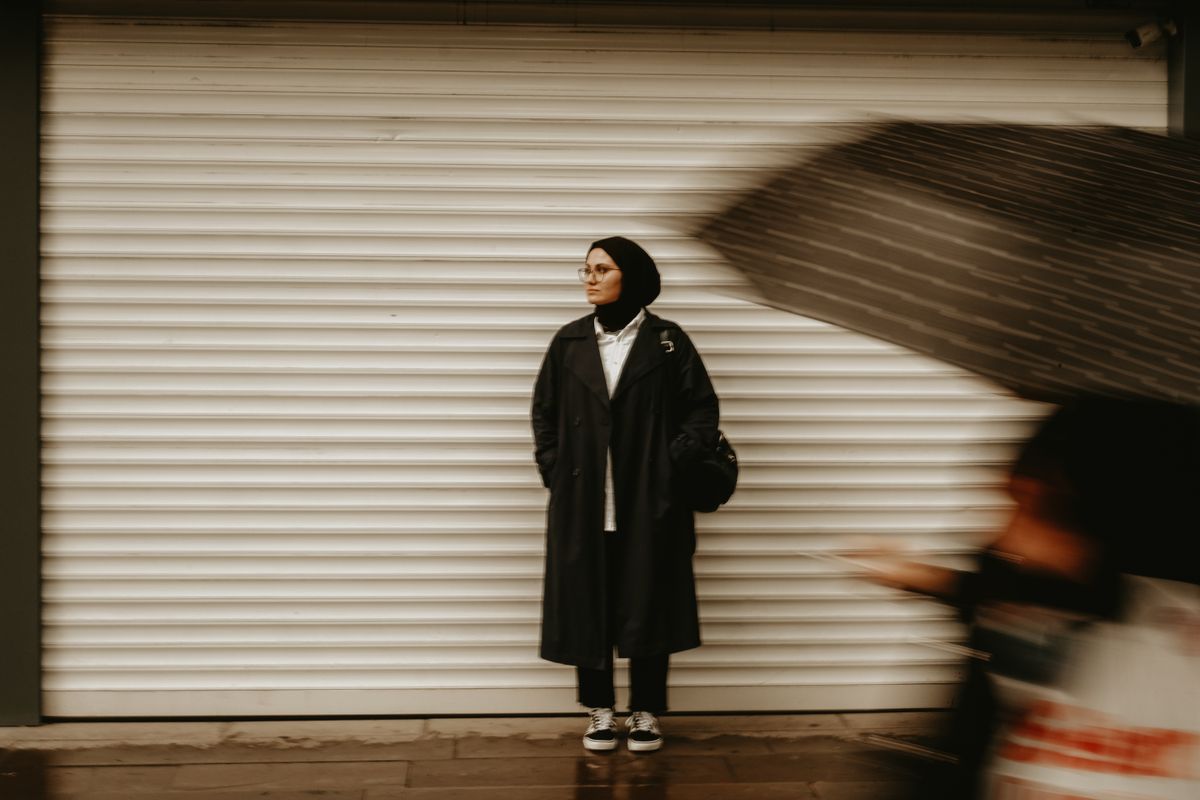
Photo by Beyzaa Yurtkuran on Pexels
- [ ] Pick generous for layers or down one size for a closer fit.
- [ ] Put the coat on, then cinch at the true waist.
- [ ] Keep under-layers smooth at the belt line.
- [ ] Check that zippered pockets still open after the cinch.
- [ ] Use snap cuffs and the hood as separate controls.
- [ ] Stop tightening when the hem still hangs clean over the hips.
Frequently asked questions
Should every body cinch the waist?
No. A light or skipped cinch is valid if a long clean line is the goal. The hardware is optional shape, not a rule.
Does sizing down replace the cinch?
Sizing down sets the shoulders. The cinch still defines the waist. Use both for a fitted look; use generous plus cinch when layering.
Where should the knot or toggle sit?
Centered at the front, tucked so it does not catch on a bag strap. Even tension left and right matters more than a decorative bow.
Can the coat be cinched over a backpack?
Wear pack straps over the coat. Cinch the waist so the hem does not lift. Do not trap the pack under a tight drawstring.
Will cinching leak at the waist?
The shell is waterproof with sealed seams. Cinching gathers fabric; it does not add a hole. Keep the front closed in real rain.
Related reading
Cinch styling, body-type trench choice, and cinchable versus boxy silhouettes sit next to this fit playbook.
- how to style cinchable raincoats to reduce bulk
- how to choose a flattering waterproof trench for your body type
- cinchable raincoat versus boxy jacket silhouette
What to do next
Put the waterproof trench on over the outfit it will actually see, cinch at the true waist, and check pockets, hem, and shoulders. If the shoulders swallow the frame, size down one. If a 10°C layer still needs room, keep the generous cut and cinch over it. Walk. Adjust once, then leave the hardware there for the day.
Cover photo by Pavel Danilyuk on Pexels.