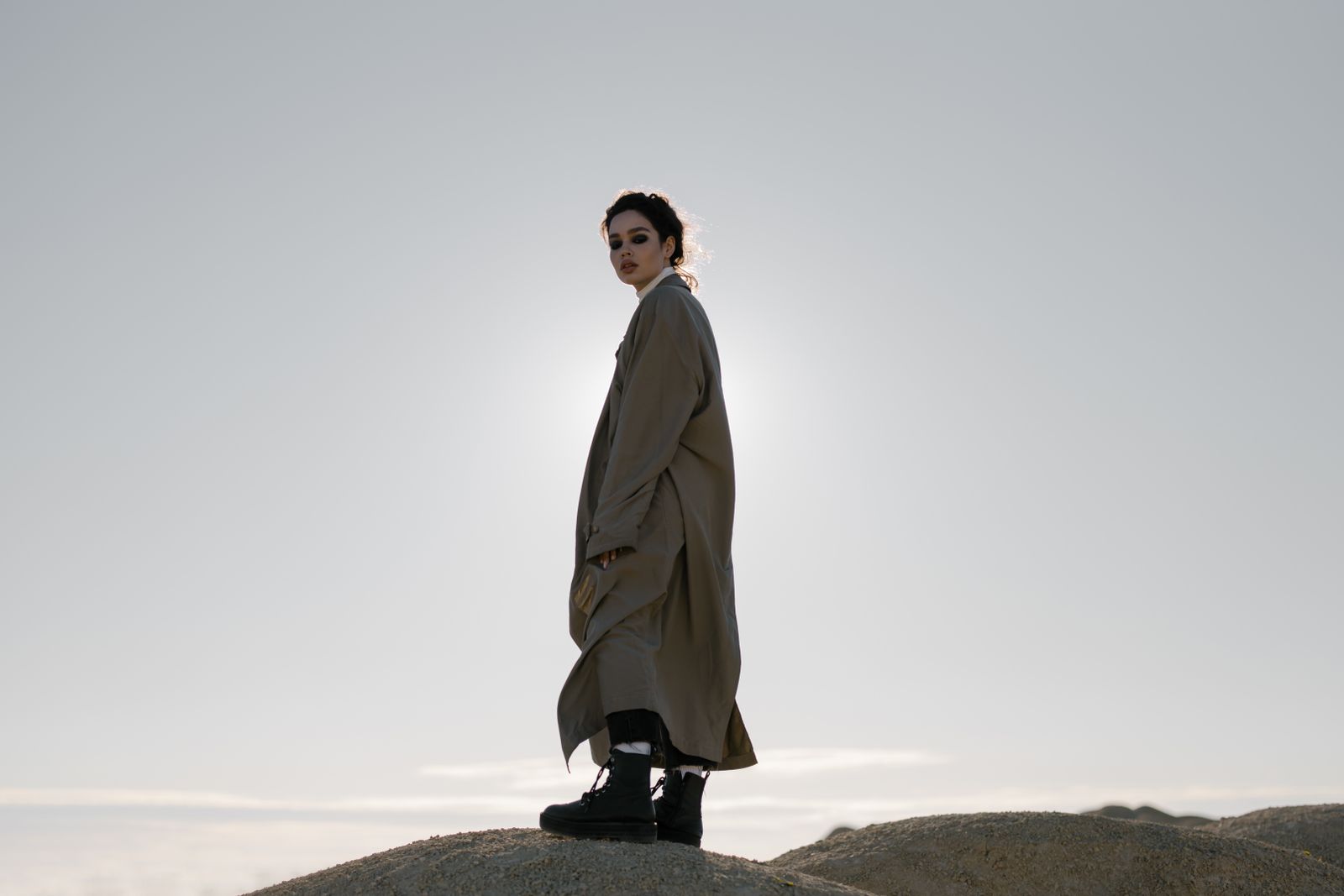
Waterproof Trench Coat vs. Technical Hiking Shell: Which Outerwear Fits Your Travel Style?
Should you pack a waist-length technical rain jacket or a thigh-length waterproof trench coat for multi-destination travel?
Short hiking shells frequently fail in urban rain by dumping water directly onto your jeans, while structured trench coats fail on vertical mountain scrambles by catching on rocks. For multi-destination trips combining city commuting, sightseeing, dining, and light nature trails, a thigh-length waterproof trench coat is the superior choice. It provides lower-body rain defense, UPF 50+ sun protection, and a tailored silhouette that transitions seamlessly from rain-soaked cobblestones to trailheads. Reserve technical rain jackets purely for high-intensity, alpine trekking.
Scenario-Based Comparison: Trench Coat vs. Technical Shell
| Travel Scenario & Environment | Technical Hiking Rain Shell | Waterproof Hooded Trench Coat | Winning Choice & Key Benefit |
| --- | --- | --- | --- |
| Urban Downpours & City Sightseeing (Museums, Cafes, Transit) | Failure Mode: Waist-length hem dumps rainwater directly onto denim and thighs, leaving legs soaked when sitting on wet public benches. | Thigh-length hem keeps lap and pants completely dry. Tailored silhouette fits dress codes for upscale dining and city venues. | Waterproof Trench Coat: Provides complete torso-to-thigh rain coverage and polished urban aesthetics. |
| Light Nature Walks & Coastal Trail Hikes | Functional but often overheats in warm coastal rain; lacks integrated sun protection during sudden weather clearings. | Fully seam-sealed waterproof protection combined with UPF 50+ fabric defense against intense coastal UV rays. | Waterproof Trench Coat: Dual sun and rain protection eliminates the need to swap between windbreakers and sun shirts. |
| Humid Climate Transit & Warm Rain Commuting | Failure Mode: 2.5-layer or 3-layer technical membranes create a clammy, sticky feel directly against bare arms or short sleeves. | Breathable inner mesh lining creates an insulating air gap that prevents fabric from clinging to skin in high humidity. | Waterproof Trench Coat: Mesh interior guarantees airflow and cool comfort in sticky downpours. |
| One-Bag Carry-On Packing & Capsule Wardrobe | Folds small but crinkles intensely; neon or color-blocked styling forces you to carry a second stylish evening jacket. | Lightweight construction folds into its own storage pocket; sleek profile replaces both your rain shell and daily jacket. | Waterproof Trench Coat: Saves critical luggage volume by serving as your sole outerwear piece for day and night. |
| Vertical Alpine Scrambling & Technical Mountain Climbing | Waist-length fit offers unrestricted high-stepping mobility and harness compatibility for steep ascents. | Failure Mode: Extended thigh-length hem can catch on low boulders or restrict wide athletic strides on steep inclines. | Technical Shell: Short, athletic cut is specifically engineered for steep vertical mountain terrain. |
Compare how each garment handles real-world travel conditions, microclimate shifts, and common failure modes across distinct travel scenarios.
Trade-Off Analysis: Coverage, Breathability, and Aesthetics
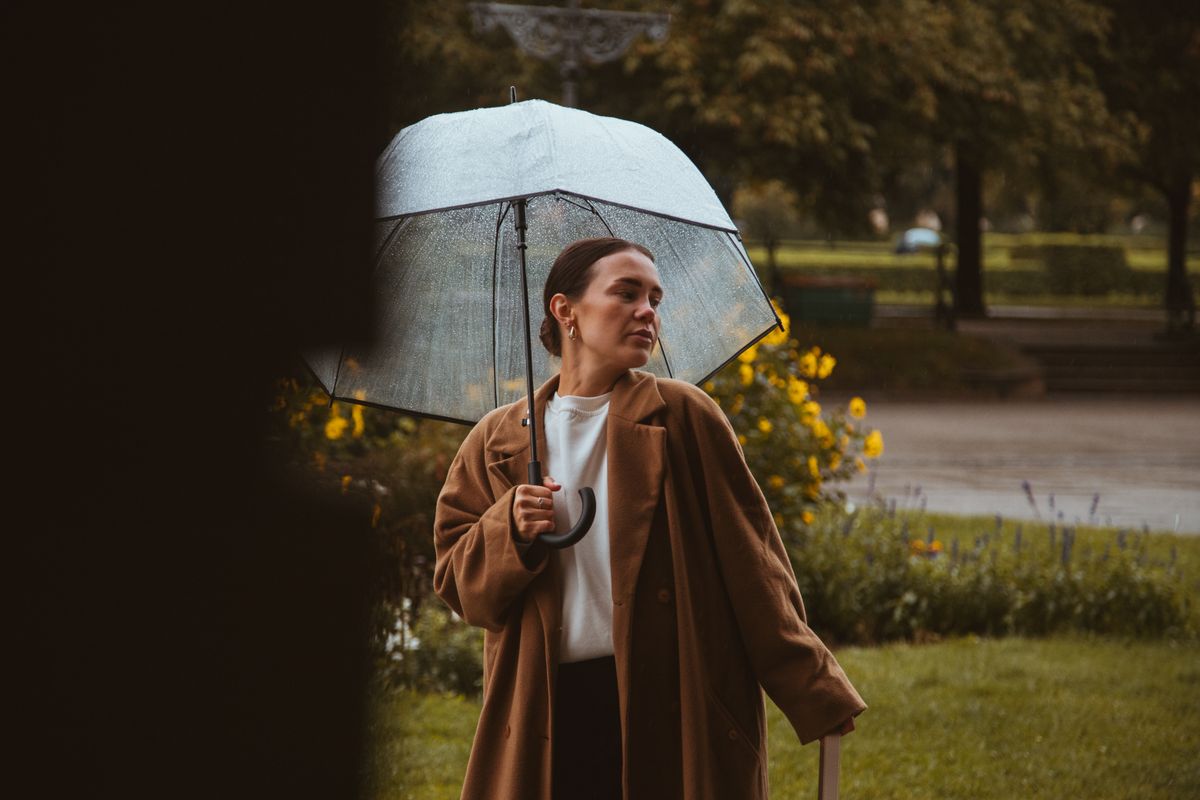
Photo by Bastian Riccardi on Pexels
Pros
- Thigh-length rain defense: Extended coverage prevents water runoff from soaking your pants, knees, and lap during heavy downpours.
- Integrated UPF 50+ sun protection: Blocks 98% of harmful UV rays, protecting skin during microclimate shifts when rain gives way to bright sun.
- Breathable mesh lining: Prevents the clammy, sticky feeling caused by waterproof membranes resting directly on sweat-dampened skin.
- Cinchable waist silhouette: Adjustable drawstrings allow you to shift from a loose weather shield to a flattering, tailored fit in seconds.
- Compact packability: Folds self-contained into its own pocket to conserve precious space inside 35L carry-on bags.
- Hem restriction on vertical scrambles: Extended length is ideal for walking and hiking but less suited for steep alpine rock scrambling.
- Not climbing harness compatible: Designed for active travel and trail walking rather than technical mountaineering gear attachment.
Pro Tip: Managing Sweat & Sun Transitions in Microclimates
> Expert Insight: According to the Skin Cancer Foundation, up to 80% of ambient UV radiation penetrates cloud cover, fog, and light mist. Travelers often make the mistake of packing a technical rain shell that offers zero UPF sun rating, forcing them to layer hot sun-shirts underneath waterproof fabric. > > When traveling through variable climates like coastal Oregon, the Scottish Highlands, or European river valleys, select a seam-sealed trench coat built with UPF 50+ rated face fabric and a breathable interior mesh lining. The mesh lining creates a crucial micro-air gap between your skin and the waterproof barrier, preventing sweat condensation build-up during warm rain while shielding you from intense UV exposure the moment clouds part.
Outerwear Decision Flowchart: City to Trail
- Is your trip primarily focused on city sightseeing, European travel, or mixed city-to-trail itineraries? → Yes: Do you need a single garment that handles downpours, bright sun, and upscale dinner dress codes?. No: Are you engaging exclusively in multi-day alpine mountaineering or high-exertion rock scrambles?
- Do you need a single garment that handles downpours, bright sun, and upscale dinner dress codes? → Yes: Choose the Waterproof Hooded Trench Coat: Thigh-length coverage, UPF 50+ sun protection, cinchable waist, and packable pocket storage.. No: Consider a minimalist urban rain jacket, though you will lose lower-body lap protection.
- Are you engaging exclusively in multi-day alpine mountaineering or high-exertion rock scrambles? → Yes: Choose a Technical Hiking Shell: Waist-length cut maximizes high-stepping leg mobility and harness access.. No: Choose the Waterproof Hooded Trench Coat for maximum overall travel versatility.
Your Outerwear Selection Checklist
Your decision: Choose a Waterproof Hooded Trench Coat if your itinerary combines urban exploration, dining, transit, and nature trail walks. Choose a short technical shell only for pure alpine mountaineering.
Do this next: Audit your packing list: verify that your coat offers sealed seams, extended thigh coverage, mesh ventilation, and UPF 50+ sun protection.
- Read next: City-to-Trail Outerwear Buying Guide
- Read next: Packable Travel Weatherwear FAQ
Waterproof Hooded Trench Coat — UPF 50+ sun and rain protection with packable design.
Before packing your bags, take these immediate steps to ensure your outerwear matches your destination profile.
Summary: Key Differences for One-Bag Travelers
Keep these critical comparison facts in mind when assembling your minimalist travel capsule wardrobe:
Technical Spec Matrix: Materials, Fit, and Coverage
| Technical Feature | Waterproof Hooded Trench Coat | Standard Technical Hiking Shell |
| --- | --- | --- |
| Primary Fabric Rating | 100% Waterproof Outer Shell with Fully Sealed Seams | Waterproof Membrane (2.5-Layer or 3-Layer) |
| Sun Protection (UPF) | UPF 50+ (Blocks 98% of UVA/UVB Radiation) | None / Unrated |
| Garment Length & Cut | Thigh-Length with Cinchable Waist Drawstring | Waist-Length with Straight Athletic Cut |
| Interior Lining | Breathable Cooling Mesh Lining | Unlined / Printed Interior Film |
| Packability & Storage | Folds into its own self-contained zippered pocket | Requires separate stuff sack or elastic roll |
| Cuff & Hood Adjustability | Snap-Button Cuffs & Adjustable Drawstring Hood | Velcro Cuffs & Helmet-Compatible Drawcords |
| Pocket Security | Two Deep Zippered Hand Pockets | Two Chest/Hand Pockets (Often Mesh-Lined) |
Evaluate the exact material and construction specifications of both outerwear styles side-by-side.
Best Choice Breakdown by Travel Profile
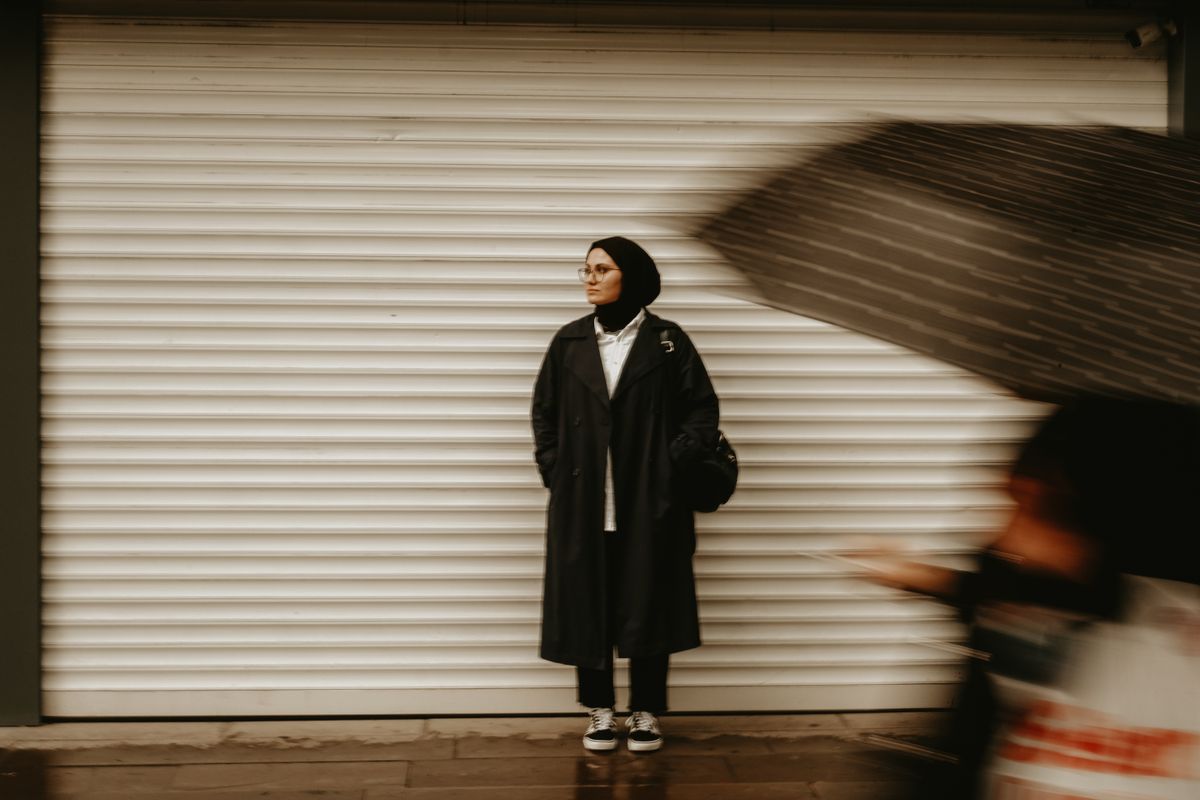
Photo by Beyzaa Yurtkuran on Pexels
Selecting between a waterproof trench coat and a technical hiking shell depends on whether your itinerary demands multi-scenario urban/trail versatility or specialized vertical mobility.
Best choice for
- Waterproof Hooded Trench Coat — Provides elegant thigh-length protection against street splashing, folds neatly into carry-on luggage, and transitions effortlessly to evening venues.
- Waterproof Hooded Trench Coat — Integrated UPF 50+ fabric eliminates the need for separate sun shirts when clouds clear during trail hikes.
- Technical Hiking Shell — Short waist-length hem prevents fabric snagging during steep ascents over jagged rocks.
- Avoid waist-length hiking shells if you spend hours walking rain-slicked city streets, as water runoff will soak your thighs.
- Avoid heavy non-packable trench coats that lack sealed seams or UPF ratings, as they add unnecessary weight to your luggage.
- Compact Travel Poncho — Budget emergency solution, but lacks breathability, tailored fit, wind resistance, and sun protection.
Featured Solution: The All-Scenario Waterproof Hooded Trench Coat
Designed specifically for the traveler who refuses to let weather dictate her itinerary, this versatile trench combines serious weatherproofing with smart urban tailoring.
- UPF 50+ Sun Protection: Built-in fabric defense blocks 98% of harmful UV rays during sunny trail walks and clearings.
- 100% Waterproof Construction: Fully sealed seams and a durable outer shell keep you bone-dry in torrential downpours.
- Breathable Mesh Interior: Prevents sweat build-up and clammy skin contact in warm, humid rain.
- Customizable Fit: Cinchable drawstring waist and snap-button cuffs allow you to adjust ventilation and create a flattering silhouette.
- Ultra-Packable Design: Folds self-contained into its own deep pocket for effortless carry-on packing.
Real-World Destination Case Studies
Spring In London & Paris (Rainy Streets, Museums, Fine Dining) — Pack the Waterproof Hooded Trench Coat. A boxy hiking jacket looks out of place in European restaurants and fails to protect your lap when sitting on damp bench seating. The trench keeps your entire outfit dry while maintaining a sleek silhouette.
Iceland Ring Road or Pacific Northwest Coastal Drives — Pack the Waterproof Hooded Trench Coat. Coastal climates alternate rapidly between horizontal rain squalls and piercing sunlight. The combination of seam-sealed waterproofing and UPF 50+ sun defense handles both extremes without forcing you to change layers.
Swiss Alps Heavy Vertical Trekking & Summit Trails — Pack a Technical Hiking Shell. When climbing steep vertical switchbacks requiring high knee lifts, a short waist-length shell maximizes lower-body mobility.
Here is how each outerwear choice performs in popular multi-weather travel destinations.
The Geometry of Rain Protection: Why Length Matters
When evaluating rain jackets, most travelers focus exclusively on waterproof ratings (such as 10,000mm hydrostatic head) while overlooking the physical geometry of the garment. A standard technical rain jacket terminates right at the hip belt or waistline. When rain hits your chest, gravity pulls the water downward, channeling 100% of the runoff directly onto your denim jeans or travel trousers. Within 15 minutes of walking through a wet city or coastal path, your thighs are saturated.
By contrast, a thigh-length waterproof trench coat extends rain defense past your hips down toward your knees. Rain runoff slides completely off your upper clothing, shedding harmlessly past your footwear. Whether you are navigating wind-blown city sidewalks or sitting on damp outdoor train seats, extended coverage keeps your core wardrobe clean and dry.
The Hidden Danger of Unshielded UV Rays in Shifting Microclimates
Microclimate travel—such as exploring island chains, coastal mountain ranges, or river valleys—presents a unique challenge: rapid switching between heavy overcast drizzling and intense sun exposure. Standard rain jackets are manufactured using synthetic nylons that offer no certified UPF sun rating.
When clouds dissipate mid-hike, non-UPF rain jackets trap solar radiation, creating an oven-like internal temperature while letting UV rays penetrate thin fabrics. An engineered UPF 50+ waterproof trench coat reflects 98% of UVA and UVB radiation. You stay shielded from sun exposure without needing to carry a secondary sun shirt or stop to apply greasy sunscreen under damp conditions.
Overcoming Clamminess: Mesh Lining vs. Technical Membranes
Many high-end hiking jackets use 2.5-layer unlined constructions to shave off fraction-of-an-ounce weight. While lightweight, these interior printed films rely on direct skin contact to transfer moisture vapor. In warm, humid rain, sweat cannot evaporate fast enough, causing the cold, clammy jacket membrane to stick uncomfortably to your arms.
An interior breathable mesh lining solves this issue permanently. By establishing a physical buffer zone between the outer waterproof shell and your inner layer, air circulates freely. Sweat vapor dissipates into the air gap, keeping your arms cool, dry, and unburdened by clingy fabric.
Frequently Asked Questions
Got questions about packing, care, or microclimate protection? Find clear answers below.
Next Steps: Complete Your Weatherproof Travel Setup
Your decision: Determine your travel balance: Choose the Waterproof Hooded Trench Coat for city-to-trail versatility, or a technical shell for high-altitude climbing.
Do this next: Order the Waterproof Hooded Trench Coat in your preferred color and size, test the packable pocket fold in your carry-on, and enjoy stress-free travel.
- Read next: City-to-Trail Outerwear Buying Guide
Waterproof Hooded Trench Coat — The ultimate combination of UPF 50+ sun defense and seam-sealed rain protection.
Equip yourself for effortless all-weather travel with these final planning steps.
Explore Related Weatherwear & Packing Guides
Connect readers to cluster content.
Cover photo by cottonbro studio on Pexels.