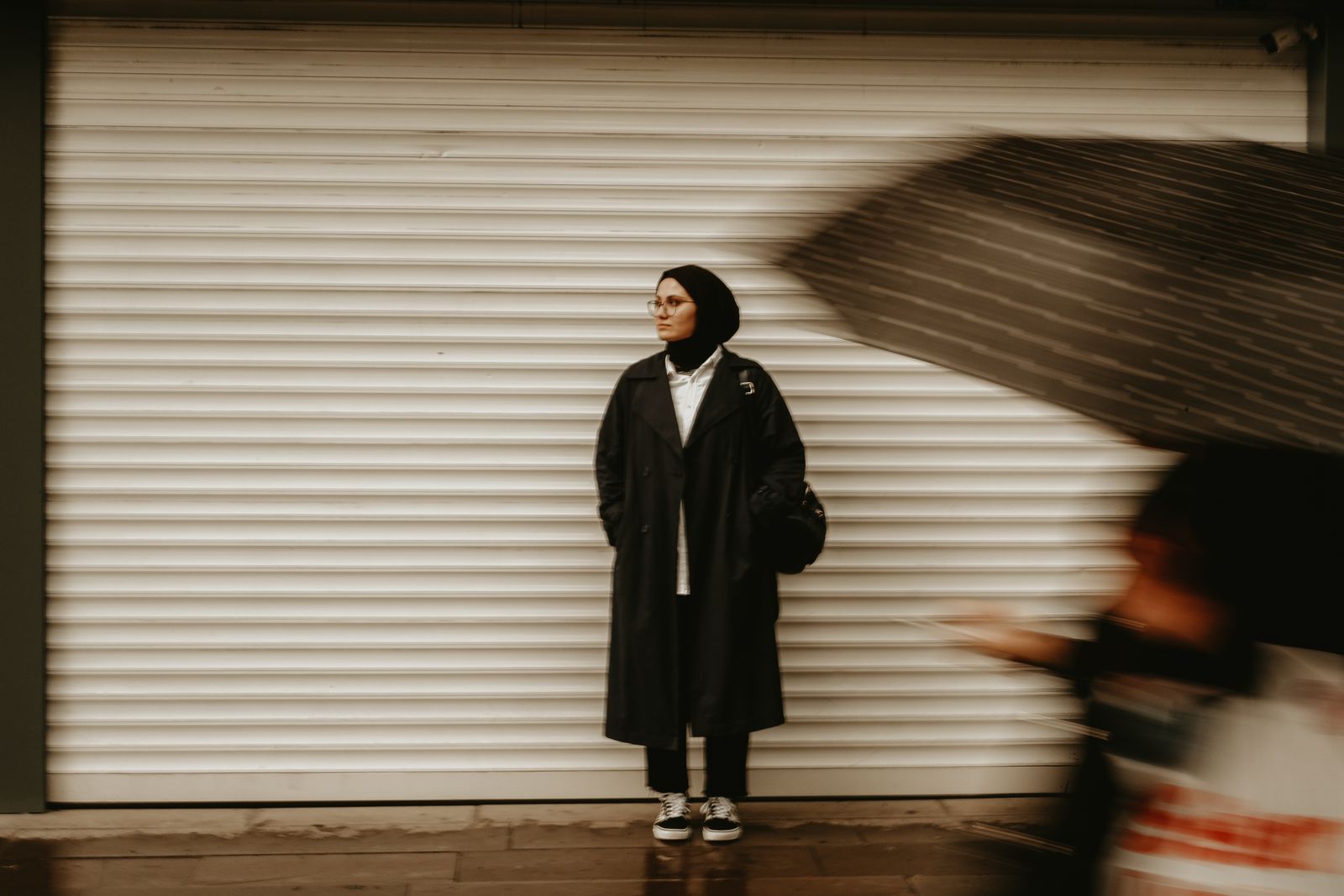
UPF 50+ Sun Jackets vs. Waterproof Rain Shells: Can One Coat Do Both?
Sun protection and rain protection are two different properties, and a jacket can carry both — but most jackets are built to prioritize one. A UPF-rated sun jacket is measured on how little ultraviolet light passes through the fabric. A waterproof shell is measured on whether liquid water gets through the fabric and the seams. One garment can do both jobs well, but only if the design accounts for the fact that the features that make a sun layer comfortable are the same features that usually make a rain layer leak.
What a UPF rating actually measures
UPF stands for Ultraviolet Protection Factor, and it describes how much UV radiation a fabric lets reach your skin. UPF 50+ is the top of the scale in common use: it means the fabric blocks 98% of harmful UV rays, so a fiftieth or less of the ultraviolet light hitting the outside makes it through.
That number is a property of the fabric, not of the garment's shape. It says nothing about whether the jacket is waterproof, breathable, hooded, or long enough to cover the back of your thighs. A fabric can be UPF 50+ and still soak through in the first ten minutes of rain, which is exactly what happens with a lot of loosely woven summer sun shirts.
Two things drive a high UPF number: how tightly the fabric is woven or knit, and how dark or dense the fiber is. Tight construction is also what a waterproof shell needs, which is why the two properties are not fundamentally in conflict. The conflict shows up elsewhere.
What "waterproof" means on a jacket, and why seams decide it

Photo by Vlada Karpovich on Pexels
A waterproof jacket has two halves to the claim: the fabric and the seams. A shell fabric can hold out sustained rain and still leak through every stitch line, because a sewing needle makes thousands of small holes through the material. That is why the Waterproof Hooded Trench Coat is described as a fully waterproof outer shell with sealed seams — the seam treatment is not a bonus feature, it is the part that makes the fabric claim meaningful in a real downpour.
The other half of a rain jacket's real-world performance is not waterproofness at all. It is what happens to the moisture you produce. A shell that keeps rain out perfectly and traps every bit of your own sweat will leave you just as wet, which is why breathability and ventilation matter as much as the shell rating in warm weather. That mechanism is worth understanding on its own; how to stay dry on humid rainy days works through the interior-moisture side of the problem in detail.
Where the two designs genuinely pull against each other
| Design factor | What a sun jacket wants | What a rain shell wants | |---|---|---| | Fabric weight | Very light, airy | Substantial enough to seal and shed | | Openings | Open cuffs, open hem, big vents | Closable cuffs, controlled hem | | Coverage | Long sleeves, high collar, loose cut | Long sleeves, hood, no gaps at neck | | Airflow | Maximum, constant | Managed — enough to vent, not enough to let rain in | | Seams | Irrelevant | Sealed, or the fabric rating means nothing | | Fit | Loose, so fabric sits off the skin | Adjustable, so wind cannot open it |
Read that table and the pattern is clear. Coverage and long sleeves are shared goals. Fit and openings are where the two purposes fight: a sun layer wants to be as open as possible so air moves freely, while a rain layer wants to be closable at every edge so wind-driven water has nowhere to enter.
The resolution is adjustability rather than compromise. A jacket with an adjustable drawstring hood, snap-button cuffs, and a cinchable waist can be opened up on a hot, clear afternoon and closed down when the weather turns, without being permanently set for either condition. That is the design logic behind combining the two functions in one garment instead of carrying two.
Can one coat really do both jobs?
Yes, under three conditions.
Where a single coat clearly wins is on trips where the weather changes faster than you can change clothes. Coastal walks, mountain day hikes, tropical travel, and city sightseeing in shoulder season all produce the same pattern: bright sun, sudden rain, then bright sun again, sometimes inside an hour. Carrying a sun shirt and a rain shell means one of them is always in your bag while you need the other. A coat that folds into its own pocket and covers both cases means the decision is already made.
Where two separate layers still make more sense
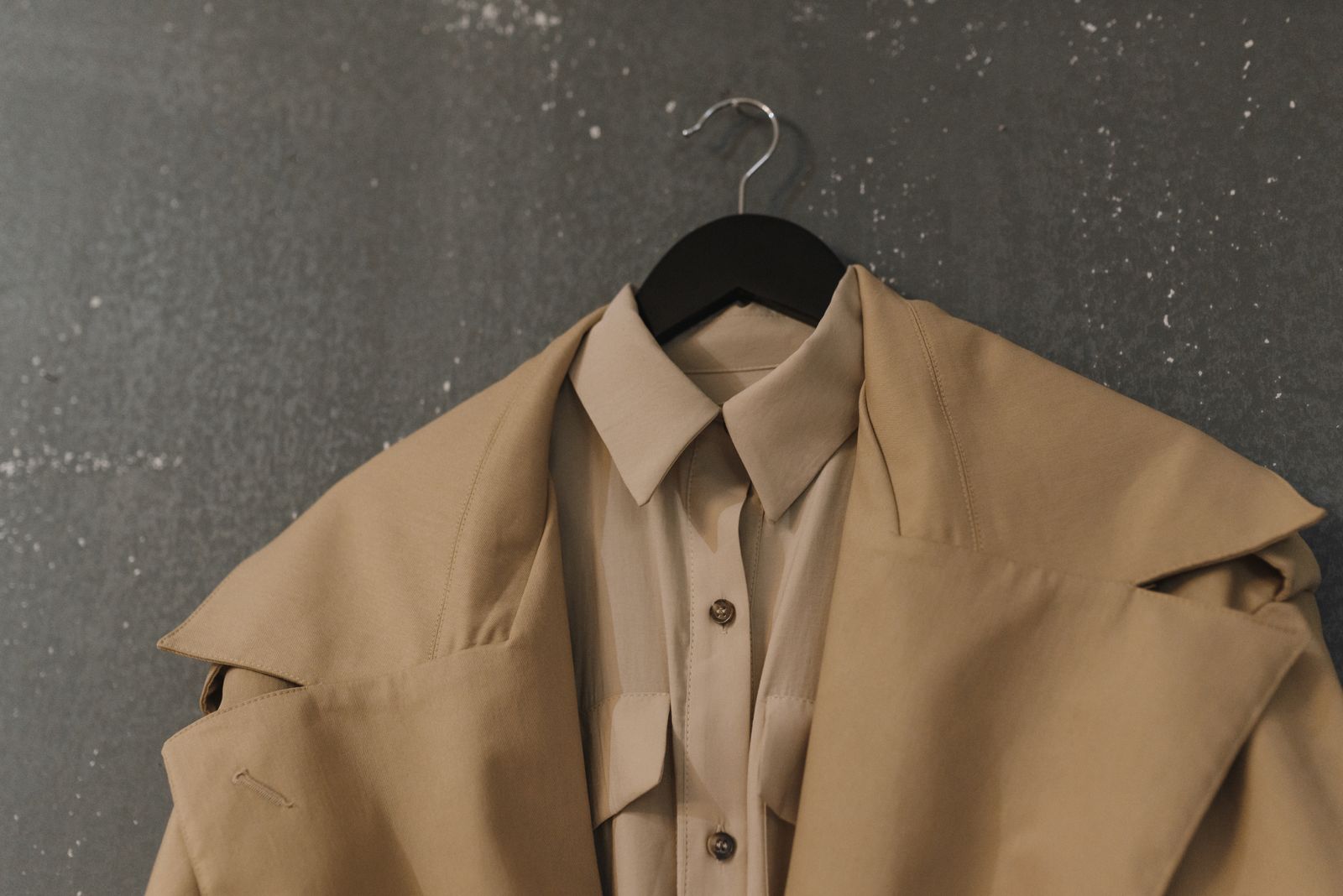
Photo by Arina Krasnikova on Pexels
Two layers win when your exposures are extreme and predictable in opposite directions. If you spend six hours on open water in full sun with no chance of rain, a dedicated ultralight sun layer will be more comfortable than any waterproof shell, because it can be built with no waterproof membrane at all and vent freely. If you are heading into sustained cold rain with no sun exposure to speak of, you want a heavier shell and insulating layers, and the UPF rating becomes irrelevant.
For everything in between — which is most travel and most of the outdoors most of the year — the combined coat carries less, packs smaller, and removes a decision from your morning.
What to check before you trust a dual-purpose claim
- Is the UPF figure stated with a number? "Sun protective" without a rating is marketing. UPF 50+ is a specific claim.
- Does the waterproof claim mention seams? Fabric-only claims are incomplete.
- Is the lining breathable, or just soft? A smooth lining feels nice and traps moisture. A mesh lining moves air.
- Are the cuffs closable? Open cuffs are fine for sun and a liability in rain.
- Is there a hood, and is it adjustable? A fixed hood is either always too big or always too small.
- Does it pack down? A jacket you leave behind because it is bulky protects you from nothing.
FAQ
Does a waterproof jacket automatically provide sun protection? Not automatically, though many do incidentally — a dense, coated shell fabric tends to block a lot of UV simply because light does not pass through it easily. But unless the manufacturer states a UPF rating, you do not know how much it blocks, and you should not assume it is at the top of the scale.
Does UPF protection wash out over time? UPF from tight fabric construction is durable, because it comes from the structure of the material rather than a coating. What does degrade is the fabric itself — heavy abrasion, thinning, and stretched-out areas let more light through. Washing a technical coat gently and avoiding fabric softener helps preserve both the sun and the water performance.
Is a breathable lining enough to wear a waterproof coat in hot sun? It helps considerably, but the bigger lever is using the adjustments. Open the cuffs, release the waist, drop the hood, and unzip partway when the rain stops. A breathable mesh lining plus open cuffs and an eased waist is a very different garment from the same coat closed down for a storm.
Do I still need sunscreen if I am wearing a UPF 50+ coat? Yes, on everything the coat does not cover. Fabric protects only the skin underneath it. Your face, neck, ears, and hands still need coverage, and a hood helps with the first three but not the last.
Where to go from here
Decide which of your typical days involve both sun and rain in the same outing. If that is most of them, a single UPF-rated waterproof coat with adjustable openings is the simpler system, and the thing to verify is that both claims — the UPF figure and the sealed seams — are stated outright rather than implied. For a closer look at how the breathability side is built, choosing a breathable waterproof hooded trench coat picks up where this comparison ends.
Cover photo by Beyzaa Yurtkuran on Pexels.