
How to Stay Dry on Humid Rainy Days: The Ultimate Weather-Proofing Guide
How to Stay Dry on Humid Rainy Days: The Ultimate Weather-Proofing Guide
Navigating warm downpours and muggy storms presents a unique wardrobe challenge. Traditional heavy rain gear traps body heat, causing you to feel soaked from sweat inside your coat rather than rain from the outside. Knowing how to stay dry on humid rainy days requires balancing external waterproof barriers with internal heat dissipation and moisture ventilation.
Understanding the Humid Rain Dilemma: Sweat vs. Rain
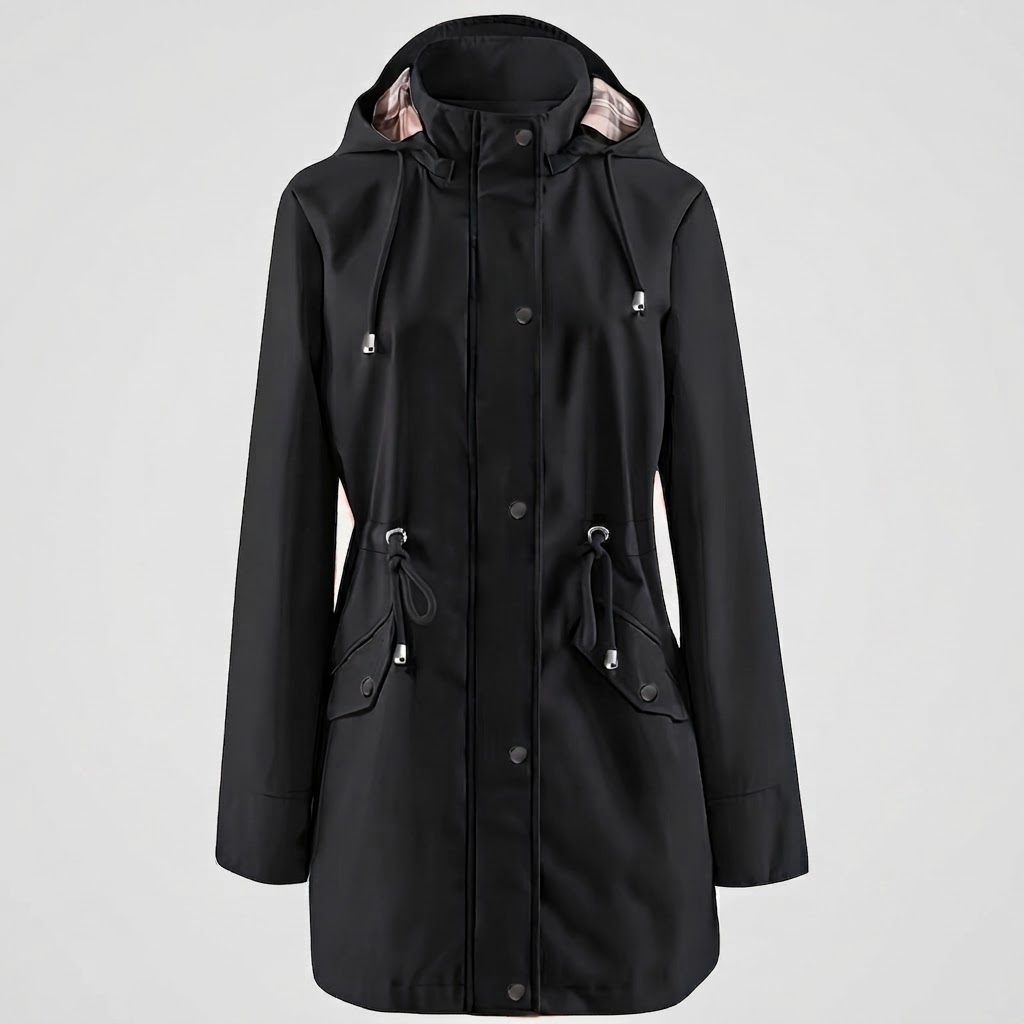
When ambient temperatures rise above 10°C while relative humidity reaches high percentages, your body relies heavily on sweat evaporation to cool down. Standard non-breathable plastic or rubber raincoats create a microclimate against your skin that blocks natural airflow. To overcome this, active outerwear must feature a breathable lining—such as a lightweight mesh interior—to allow heat to escape while keeping external water out.
Furthermore, high humidity often accompanies intense ultraviolet radiation before or after storm clouds pass. Outfitting yourself with gear featuring UPF 50+ sun protection blocks 98% of harmful UV rays, ensuring total skin protection without requiring excessive base layers.
Essential Fabric Technologies for Hot and Wet Climates

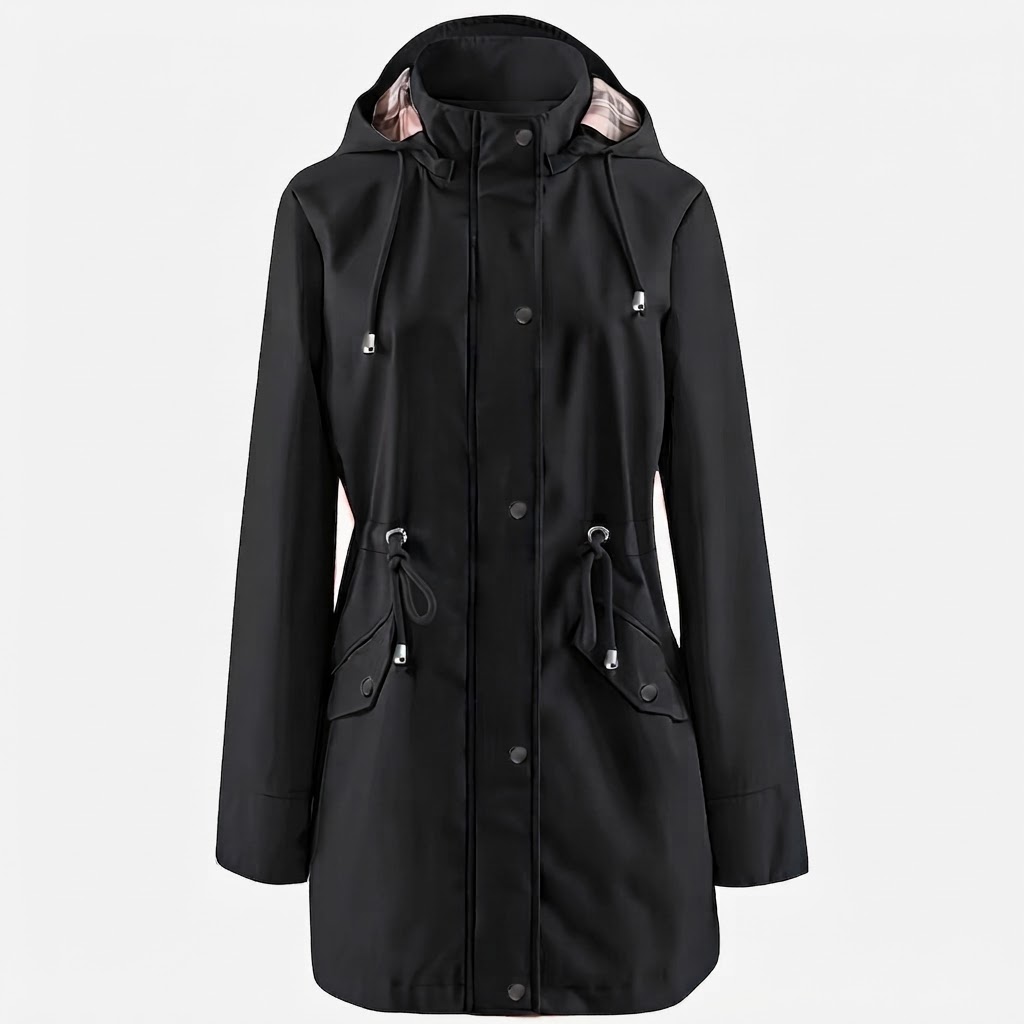
To withstand severe muggy storms, your outer layer must utilize technical fabric constructed with a fully waterproof outer shell with sealed seams. Without heat-sealed seams, water quickly seeps through stitching holes during prolonged exposure. However, the shell material must maintain a breathability rating of at least 5,000 g/m² to transfer warm air out.
Selecting a design that incorporates a breathable mesh lining prevents the outer waterproof material from clinging to your skin when you sweat, dramatically improving comfort during long walks, outdoor excursions, or urban commutes.
Layering Strategies for Warm Weather Rain
When dressing for rainy muggy weather, minimize layers while focusing on airflow:
Key Features to Look For in All-Weather Outerwear
When evaluating dynamic weather outerwear, ensure it includes multi-scenario performance capabilities. Essential details include:
- Storage & Protection: Two deep zippered pockets keep your essentials secure against water infiltration.
- Portability: Look for gear that is lightweight and packable — folds into its own pocket for travel, making it effortless to carry in a purse or carry-on.
- Full Coverage: Look for a trench-length cut that shields upper legs while sitting or walking through puddles.
Care and Maintenance for Technical Waterproof Garments
Maintaining the performance of technical rainwear requires proper maintenance. Always wash garments in cold water using a mild liquid detergent at 30°C. Avoid fabric softeners, which clog breathable mesh linings and degrade durable water-repellent coatings. Hang dry or tumble dry on low depending on specific garment instructions.
Related in this cluster
- Why Standard Raincoats Make You Sweat in Humid Weather
- How to Dress for Warm Rainy Days in 4 Steps
- Waterproof Shell vs. Water-Resistant Jacket for Muggy Weather
- 5 Must-Have Features in a Lightweight Packable Rain Coat
- Solving Summer Downpours: Waterproof Hooded Trench Coat Breakdown
- Frequently Asked Questions About Summer Rain Jackets and UPF Rainwear