
How to Dress for Hiking in the Rain: 3-Layer Wet Weather Guide
Follow the 3:10 rule for rainy trail hikes: 1) Wear a 100% synthetic moisture-wicking base layer; 2) Add an insulating mid-layer when ambient temperatures drop below 60°F; and 3) Cap your system with a sealed outer shell rated to at least 10,000mm waterproofing and UPF 50+ sun protection. This combination releases internal body heat while deflecting 98% of harmful UV rays and downpours.
Key Takeaways: Dual-Protection Trail Dressing
- Cloudy skies pass up to 80% of UV radiation: Overcast weather and wet trail surfaces amplify solar exposure, making UPF 50+ outerwear essential even during rainfall.
- Zero cotton on the trail: Cotton retains 27 times its weight in water; use polyester, nylon, or 150g/m² merino wool to pull moisture off the skin.
- 10,000mm waterproofing + 15,000 g/m²/24h MVTR: Ensure your outer shell features fully taped seams and a high Moisture Vapor Transmission Rate (MVTR) to stop external rain without trapping internal sweat vapor.
- Dynamic microclimate adjustments: Utilize snap-button cuffs, cinchable waists, and drawstrings to vent heat before sweat saturates your base layer.
Technical Fabric & Layering Specifications
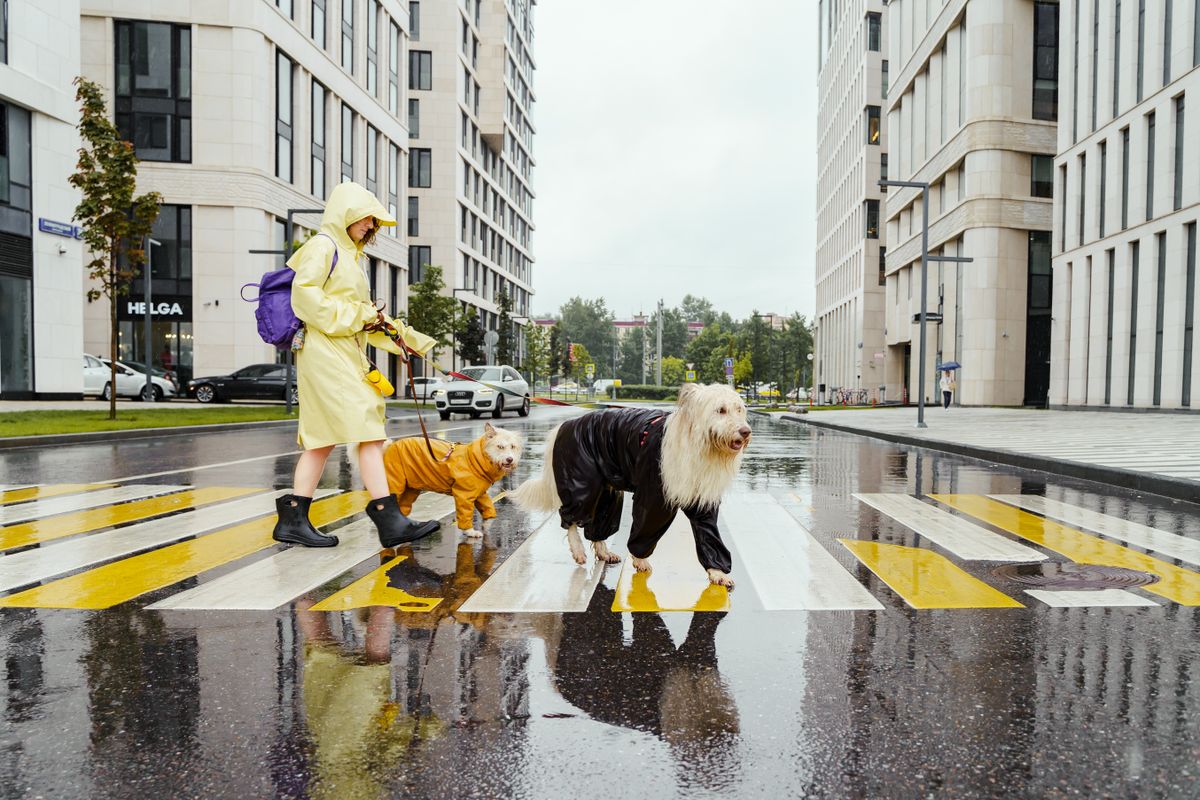
Photo by Yaroslav Shuraev on Pexels
| Layer Component | Fabric Standard | Hydrostatic Head / Breathability | UV Protection Rating | Primary Functional Objective |
| --- | --- | --- | --- | --- |
| Base Layer (Next-to-Skin) | 100% Polyester / Nylon / Lightweight Merino | N/A (Focus on Moisture Wicking Rate >0.5g/min) | UPF 15 - 30 (Baseline) | Transport sweat vapor away from skin surface to keep microclimate dry. |
| Mid-Layer (Thermal Core) | 100g-200g Polyester Fleece or Grid Knit | Breathable Open-Weave Construction | UPF 30+ | Trap dead air space for insulation without restricting internal moisture escape. |
| Outer Shell (Weather Shield) | High-Density Synthetic Shell with Mesh Lining | 10,000mm Hydrostatic Head / 15,000 g/m²/24h MVTR | UPF 50+ (Blocks 98% UV-A/UV-B) | Block wind and rain downpours while deflecting solar rays and releasing internal heat. |
| Trail Accessories | Synthetic Blend / Sealed Seams | Water-Resistant DWR Finish | UPF 50+ Brim / Cuffs | Prevent water intrusion at neck, wrists, and feet while shielding peripheral skin. |
Review the technical requirements for each layer in your wet-weather trail system before heading into unpredictable weather.
Visual Architecture: The 3-Layer Trail Protection System
Understanding how water droplets, body heat, and UV rays interact across your outerwear layers ensures optimal temperature regulation.
Trail Condition Layer Selector
- Is ambient trail temperature above 65°F (18°C)? → Yes: Skip the mid-layer. Wear a lightweight synthetic base layer directly under your UPF 50+ waterproof shell. Open snap cuffs for maximum chimney venting.. No: Proceed to next condition.
- Is ambient trail temperature between 45°F and 65°F (7°C - 18°C)? → Yes: Combine a long-sleeve moisture-wicking base layer with a lightweight grid fleece mid-layer, topped by your cinchable waterproof trench coat.. No: If below 45°F (7°C), add a heavy synthetic active insulation mid-layer and fully seal your shell's hood and waist drawstrings.
Pre-Hike Wet-Weather & UV Readiness Checklist
- [ ] 100% Synthetic Base Layer (Polyester/Nylon; zero cotton content)
- [ ] UPF 50+ Waterproof Shell with fully sealed seams and breathable mesh lining
- [ ] Moisture-wicking merino wool or synthetic hiking socks (plus 1 extra dry pair in a sealed bag)
- [ ] Adjustable hood and snap-cuff mechanisms tested for rapid micro-venting
- [ ] Broad-spectrum sunscreen applied to face and exposed neck (cloud cover passes 80% of UV rays)
- [ ] Integrated packable pocket or dry-bag storage for stowing wet outerwear
Expert Tip: Managing Microclimates on Active Ascents
Don't wait until you are drenched in sweat to adjust your outerwear. Vent early on uphill sections by opening your snap-button cuffs and loosening the cinchable waist drawstring. This creates a natural chimney effect—drawing cooler air in at the wrists and exhausting warm moisture out through the hem before sweat saturates your base layer.
Immediate Trail Prep Actions
Your decision: Assess your upcoming hiking destination's weather forecast for temperature, precipitation probability, and UV index levels.
Do this next: Assemble a 100% synthetic base layer and pair it with a packable, dual-protection UPF 50+ waterproof outer shell.
- Read next: How to Layer Under a Waterproof Trench Coat Without Adding Bulk
- Read next: Best Women's Hiking Rain Jackets for Warm and Humid Weather
Equip yourself with the Waterproof Hooded Trench Coat for full-coverage UPF 50+ sun and rain defense.
Take these steps to prepare your wet-weather system before your next excursion.
Selecting Your Outer Shell: Trench Silhouette vs. Standard Rain Jacket
For full body protection in wind, rain, and intense UV environments, extended-coverage shells offer superior protection over waist-length rain jackets by keeping upper legs dry and shielded.
Best choice for
- Waterproof Hooded Trench Coat — Provides full thigh coverage against blowing rain and high solar exposure while maintaining a refined silhouette.
- Short Technical Hardshell — Eliminates lower hem fabric that might interfere with climbing harnesses or hip belts.
- Avoid 100% cotton tops or denim trousers; cotton retains 27 times its dry weight in water and eliminates insulation when damp.
- Avoid unvented 3-layer expedition rubber shells during warm rain; they cause severe heat retention and sweat saturation.
- Packable Windbreaker with DWR — Suitable only for light mist in warm conditions without downpours, but lacks 10,000mm hydrostatic head protection.
Recommended Gear: Dual-Protection Outerwear
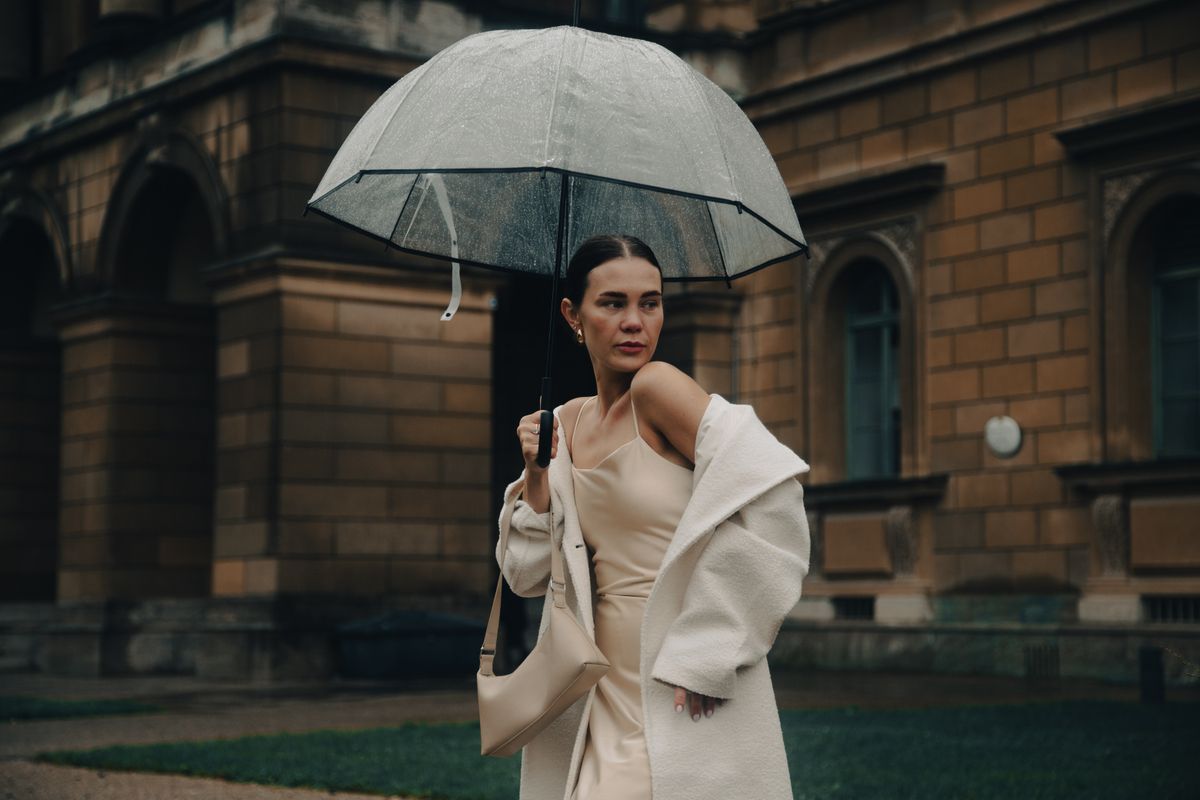
Photo by Bastian Riccardi on Pexels
Engineered for women who refuse to let unpredicted downpours or high UV indexes alter their outdoor plans.
The Cloud Cover Deception: Why UV Protection Matters in the Rain
Many outdoor enthusiasts assume that when storm clouds roll in, solar protection becomes unnecessary. Atmospheric science proves otherwise. Overcast cloud layers block visible light, giving a false impression of shade, yet up to 80% of ultraviolet (UV-A and UV-B) radiation passes directly through cloud cover.
Furthermore, wet trail conditions act as a reflective mirror. Rain-soaked granite, wet foliage, and puddles increase surface reflection, boosting total UV exposure by up to 15%. Hiking at elevated mountain altitudes compounds this effect: UV radiation intensity increases by 10-12% for every 1,000 meters of altitude gain. Selecting an outer shell with built-in UPF 50+ sun protection guarantees that 98% of these penetrating rays are deflected, shielding your skin during extended rainy ridge traverses.
``` Cloud Penetration: 80% of UV rays pass through overcast skies Surface Reflection: +15% additional UV bounce from wet foliage and water Altitude Acceleration: +10-12% UV intensity per 1,000m elevation gain ```
Hydrostatic Head vs. Breathability: Preventing the 'Sweat-Out'
Staying dry on the trail requires balancing two competing forces: keeping environmental water out while allowing microclimatic water vapor outward.
Without an adequate MVTR and internal mesh lining, internal moisture condenses on the inside of your coat shell—a phenomenon known as 'sweating out.' By combining a synthetic base layer with a breathable, mesh-lined UPF 50+ trench coat, moisture vapor flows freely outward while external rain remains completely blocked.
Trail Temperature & Humidity Layering Matrix
| Trail Scenario & Temp | Base Layer | Mid Layer | Outer Shell Configuration | Ventilation Strategy |
| --- | --- | --- | --- | --- |
| Warm Humid Rain (65°F – 85°F) | Short-sleeve 100% polyester or lightweight nylon top. | None (Omit mid-layer entirely). | UPF 50+ Waterproof Trench Coat with open mesh lining. | Unsnap wrist cuffs, loosen waist drawstring for full chimney ventilation. |
| Cool Overcast Mist (50°F – 65°F) | Long-sleeve 150g/m² merino wool or synthetic top. | Lightweight grid fleece or active synthetic pullover. | UPF 50+ Waterproof Trench Coat snapped at cuffs. | Cinch waist slightly for tailored fit; adjust hood drawstring as wind demands. |
| Cold Downpour (40°F – 50°F) | Midweight synthetic thermal base layer. | 200g fleece jacket or compact synthetic insulated vest. | Fully sealed UPF 50+ Waterproof Trench Coat. | Tighten hood drawstrings and snap cuffs completely to lock in core warmth. |
| High-Altitude Alpine Rain (60°F - 75°F) | UPF 30+ long-sleeve synthetic base layer. | None or ultralight wind vest. | UPF 50+ Waterproof Trench Coat (Blocks intense UV + rain). | Keep hood cinched for sun and wind; open front zipper partially for airflow. |
Match your trail scenario to the appropriate fabric layers, venting controls, and outerwear setups.
5 Critical Mistakes Hikers Make in Wet Weather
Avoid these common wet-weather dressing mistakes to maintain comfort and thermoregulation on the trail.
Related Guides & Trail Resources
- Trail Hiking in Rain and Humidity FAQ: Master Layering, Ventilation, and Protection
- Best Women's Hiking Rain Jackets for Warm and Humid Weather
- UPF Sun Shirts vs. Lightweight Rain Jackets: What to Wear for Day Hikes
Frequently Asked Questions About Rainy Trail Layering
Common questions regarding wet-weather dressing and sun protection on the trail.
Summary Action Plan for Your Next Rainy Hike
Your decision: Determine your upcoming trail weather conditions (temperature range, precipitation likelihood, and atmospheric humidity).
Do this next: Select a 100% synthetic base layer, pair it with temperature-appropriate mid-layers, and crown your system with a packable UPF 50+ waterproof shell.
- Read next: How to Layer Under a Waterproof Trench Coat Without Adding Bulk
- Read next: Best Women's Hiking Rain Jackets for Warm and Humid Weather
Ready to conquer unpredictable trail weather? Discover the packable Waterproof Hooded Trench Coat — engineered with UPF 50+ sun protection, sealed-seam waterproofing, and breathable lining for every outdoor adventure.
Follow this step-by-step checklist to finalize your trail gear setup.