UPF Sun Shirts vs. Lightweight Rain Jackets: What to Wear for Day Hikes
A UPF sun shirt and a lightweight rain jacket play different roles on a day hike: the sun shirt is what you wear for hours, and the rain jacket is what you carry and deploy for minutes. If you can only take one, take the one that matches your longest exposure — and if your trails combine strong sun with unpredictable rain, a single UPF-rated waterproof layer replaces both and saves the pack space.
The real distinction is worn versus carried
Comparing these two garments on fabric properties misses the point. The useful distinction is how they spend the day.
A sun shirt is a worn layer. It sits against your skin from trailhead to car, so it is judged on next-to-skin comfort, how fast it dries when you sweat through it, whether it chafes under a pack strap, and how much UV it blocks. Weight barely matters because you are wearing it either way.
A rain jacket is a carried layer. It spends most of the day in your pack and gets pulled on when the sky changes. So it is judged on packed volume, how quickly you can get it on over what you are already wearing, whether it seals at the wrists and neck, and whether the hood works. Next-to-skin comfort is nearly irrelevant.
Once you see them as different roles rather than competing products, the question changes from "which is better" to "what does my day actually require in each role."
What each one does well

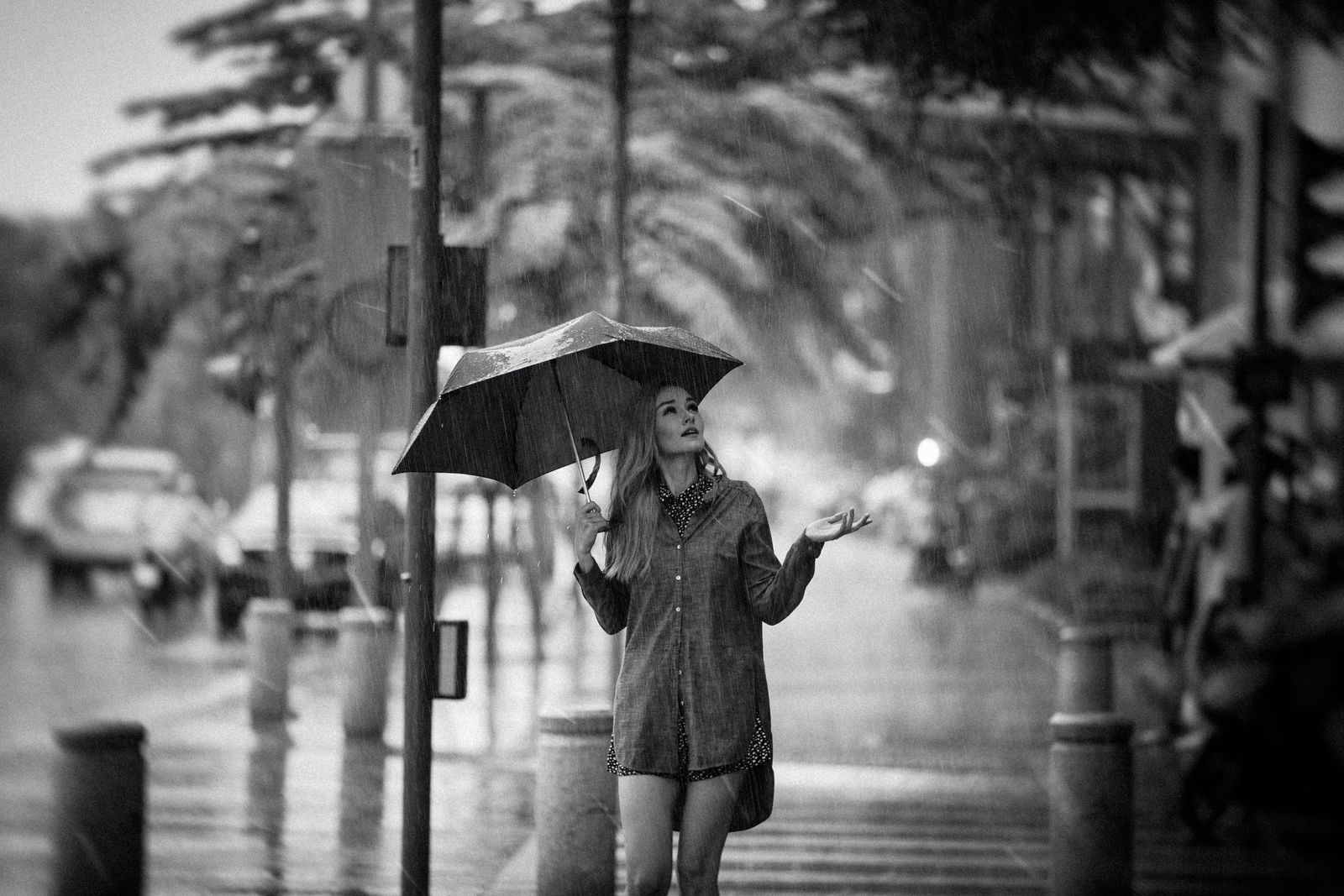
Photo by cottonbro studio on Pexels
| | UPF sun shirt | Lightweight rain jacket | |---|---|---| | Primary threat handled | Ultraviolet exposure | Liquid water and wind | | Time worn on a typical hike | Most of it | Minutes to an hour | | Sweat management | Very good — wicks and dries | Depends entirely on lining and venting | | Performance in sustained rain | Poor; soaks through | Good, if seams are sealed | | Performance in strong sun | Good, if the UPF is rated | Good if UPF-rated; hot if closed up | | Packed volume | Not applicable; you wear it | The main constraint | | Wind protection | Minimal | Substantial |
Read down the columns and the gap is obvious. Neither garment covers the other's weakness. A sun shirt in real rain becomes a wet shirt that clings and cools you. A closed rain shell in full midday sun becomes a personal greenhouse unless it is built to vent.
When the sun shirt alone is the right call
Take the sun shirt and leave the shell when three things are true: the forecast is genuinely settled, the hike is short enough that a soaking is an inconvenience rather than a risk, and you are not going above treeline where weather changes faster than forecasts do.
Desert and high-desert day hikes fit this. So do most summer walks in dry climates, and any outing where you are never more than an hour from your car. In those conditions the shell is dead weight, and a well-fitting sun shirt with a collar you can turn up is the more comfortable garment for the entire day.
When the rain jacket alone is the right call
Take the shell and skip the dedicated sun layer when your exposure to UV is limited by terrain — forest trails, canyon walks, coastal paths under cloud — and rain is the live risk. Under tree cover, a long-sleeve base layer plus a shell in the pack is a lighter system than adding a third garment.
The other case is cool, wet, windy weather, where the shell earns its place by managing wind as much as water. A cinchable waist and snap-button cuffs on a long coat cut wind exposure noticeably, and wind is what turns being damp into being cold.
When one garment can replace both
The interesting case is the one most day hikers actually face: bright sun in the morning, a thunderstorm in the afternoon, sun again on the way down. Carrying a sun shirt and a shell means one is always redundant while you need the other, and you carry the weight of both all day.
A single layer covers this only if it holds both properties outright. The Waterproof Hooded Trench Coat is an example of the combination: a UPF 50+ rating that blocks 98% of harmful UV rays, a fully waterproof outer shell with sealed seams, and a breathable mesh lining so it stays wearable in warm weather rather than only in cold rain. Add an adjustable drawstring hood, snap-button cuffs, a cinchable waist, and the fact that it folds into its own pocket, and you have one garment doing both jobs with one set of adjustments.
The condition is that it has to vent. A UPF-rated waterproof coat with a smooth, non-breathable interior technically covers both threats and is miserable to wear on a hot day, which means you take it off, which means it protects you from nothing. Why a breathable long coat can still fail explains the airflow problem that decides this.
Building the layering system for a day hike
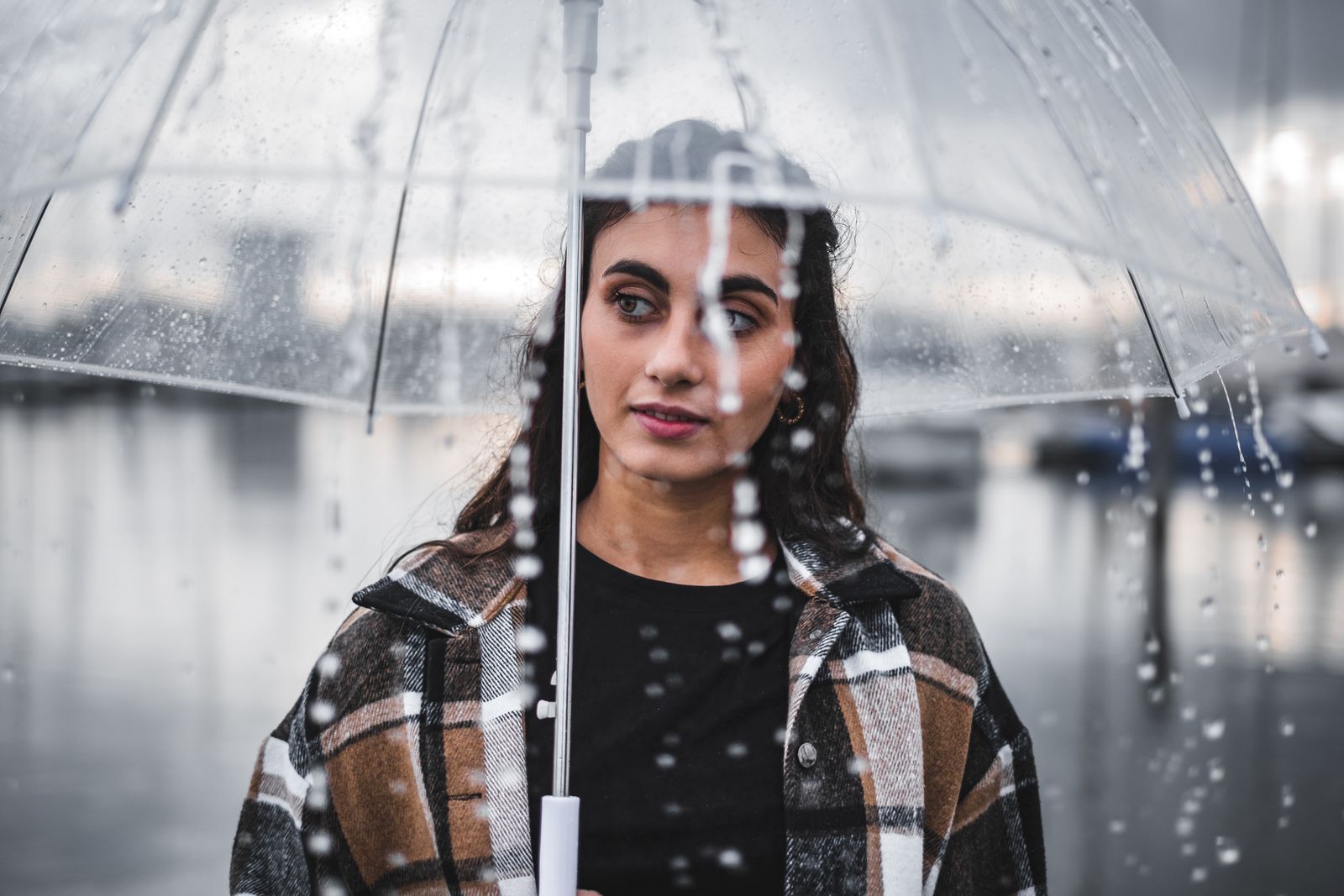
Photo by Michele Raffoni on Pexels
The mistakes that cost people the most comfort
- Treating "water resistant" as good enough on an exposed trail. Water resistant fabric wets out under sustained rain, and once saturated it breathes worse than a waterproof shell does.
- Buying a shell one size too large so it fits over anything. Extra fabric billows in wind, which opens the front and pushes rain under the hem.
- Leaving the shell in the car because it is bulky. Packability is a performance feature, not a convenience feature. A coat that folds into its own pocket actually comes along.
- Relying on a coat for full sun protection. Fabric protects only the skin it covers. Face, hands, and lower legs still need sunscreen.
- Not testing the hood before the trail. A hood that does not turn with your head is the single most common complaint about lightweight rainwear, and it is usually an adjustment problem rather than a design one.
FAQ
Can I wear a rain shell as my sun layer all day? You can if it is UPF-rated and it vents — meaning a breathable lining plus cuffs, waist, and front zip you can open. What does not work is a closed shell in direct sun; the heat build-up will drive you out of it inside an hour.
Is a sun shirt enough in light rain? For a brief shower under tree cover, often yes, because it dries fast. In open terrain or anything sustained, no. A wet shirt against your skin in wind cools you quickly even at mild temperatures.
Which is more important on a day hike, sun or rain protection? Sun, on most summer hikes, simply because the exposure lasts longer. Rain is the acute risk and UV is the chronic one. The best answer is not to choose, which is why a layer that carries a stated UPF rating alongside a waterproof shell is worth considering.
Do I need rain pants if I have a long coat? Often not, for hiking in moderate rain. A coat that covers your hips and the tops of your thighs handles most of the water that would otherwise soak your legs, and shorts or quick-drying trousers underneath dry fast. Rain pants matter more in cold rain and in dense wet brush.
A practical next step
For your next day hike, decide your outer layer from the numbers rather than the habit: total hours in open sun, and the probability of rain lasting more than fifteen minutes. If both are meaningful, look for a single layer that states a UPF figure and sealed seams, and check the lining is mesh before you commit. Then run through five performance checks for a long waterproof coat at home, where a problem is still easy to fix, and see the case for the lightweight trench cut if you are unsure about length.
Cover photo by Khoa Võ on Pexels.