Best Women's Hiking Rain Jackets for Warm and Humid Weather
For hiking in warm, humid weather, the best rain jacket is the one that manages your own sweat as well as the rain — which usually means a light shell with a breathable lining, closable cuffs, and enough coverage to handle sun as well as water. Insulation is irrelevant here. Ventilation, packability, and adjustability are what separate a jacket you keep wearing from one you take off at the first switchback and stuff in your pack.
Why warm-weather rain jackets are judged differently
In cold rain, a jacket's job is simple: keep water out and heat in. In warm rain, those two goals split apart. You need water kept out and heat let out at the same time, and every waterproof layer resists doing the second thing by definition.
That is why the usual shopping instinct — buy the most waterproof jacket you can — backfires above roughly 70°F. A heavy, fully sealed shell with a smooth interior will keep every drop of rain off you and leave you soaked from the inside within a mile of climbing. The moisture on your skin at the end of a humid hike is mostly yours.
The result is a different set of priorities. Weight matters because you will carry it more than you wear it. Interior construction matters because it decides whether humid air can move. And openings matter because venting is something you do actively, not something the fabric does for you. How to stay dry on humid rainy days covers the physics of that interior moisture problem in more depth.
The five things that actually matter
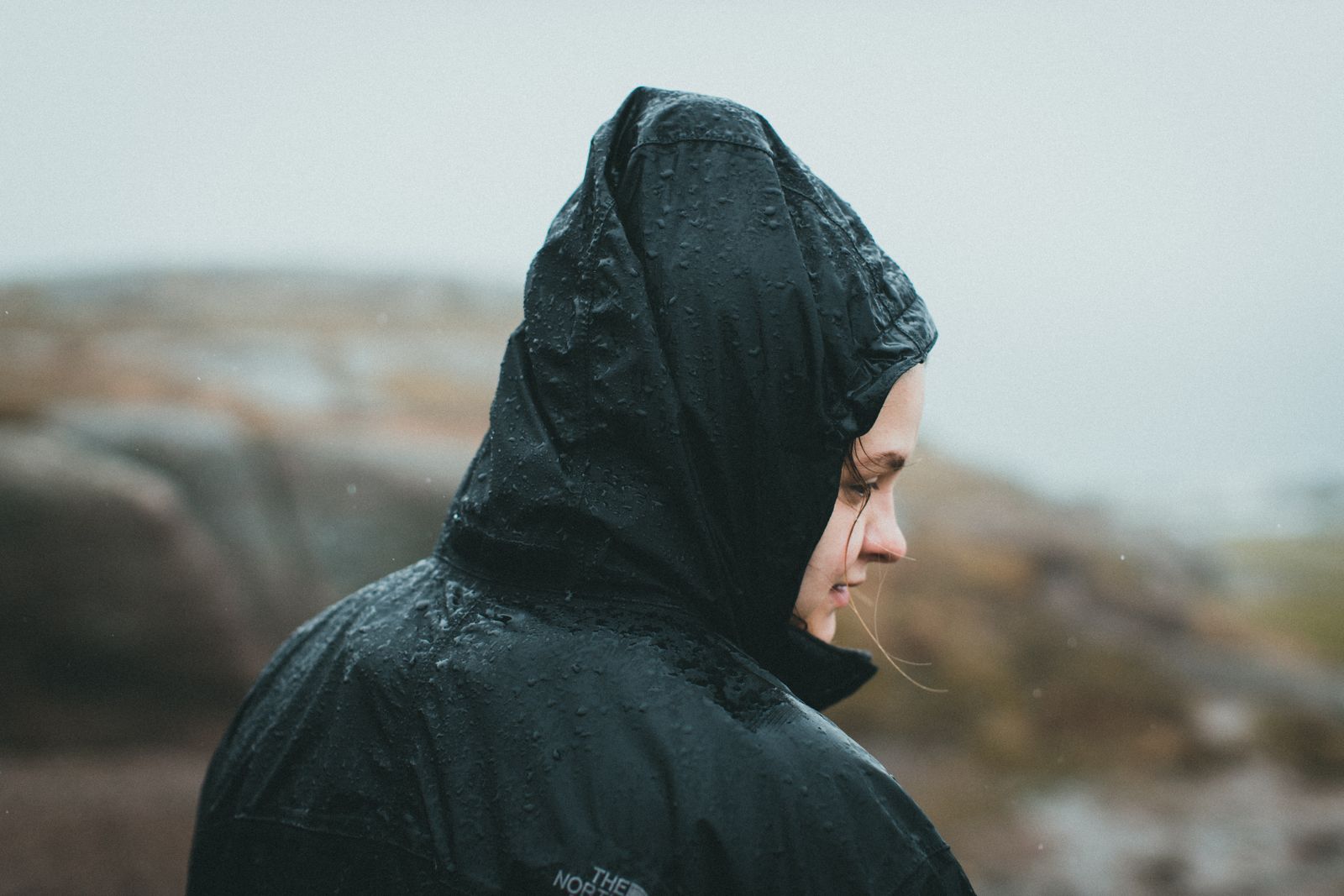
Photo by Jonathan Cooper on Pexels
- A breathable lining, not a soft one. A mesh lining holds the shell off your skin and leaves an air channel. A smooth taffeta-style lining feels nicer in a store and traps more moisture on the trail.
- Sealed seams. A waterproof fabric with unsealed stitch lines leaks at the shoulders and hood first — exactly where a pack strap presses.
- Closable cuffs. Snap-button cuffs give you two states: sealed against wind-driven rain, or open to dump heat. Elastic-only cuffs give you one.
- A hood that adjusts. A drawstring hood you can size to your head is the difference between usable and comic. Fixed hoods either slide off or blind you.
- Real packability. A coat that folds into its own pocket goes in the bag every time. A jacket that needs its own stuff sack gets left in the car.
How the main options compare for hot, wet hiking
| Option | Warm-weather strength | Where it falls short | |---|---|---| | Ultralight emergency shell | Packs to nothing, cheapest to carry | Minimal breathability, short coverage, hood rarely adjusts | | Heavy three-layer hardshell | Best in sustained cold rain and wind | Too warm above about 70°F, heavy, bulky | | Rain poncho | Maximum airflow, covers a pack | No sleeve seal, catches wind, no real fit | | Softshell | Comfortable, breathes well | Water resistant rather than waterproof; wets out in real rain | | Long waterproof trench with UPF | Rain plus sun coverage, adjustable, packable | Long hem is a trade-off on steep, technical terrain |
The pattern is that no single archetype is best everywhere. What changes the answer is which failure you are most likely to meet on your actual hikes. If your trails are exposed and your weather flips between hard sun and afternoon thunderstorms, the sun-plus-rain option carries less than a sun shirt and a shell together. If you hike in cold alpine rain, buy for that instead.
Matching the jacket to your hiking pattern
Short exposed day hikes in summer. Sun is the dominant exposure and rain is the interruption. Prioritize UPF coverage, packability, and a hood you can deploy in seconds. A long, light waterproof coat with a breathable mesh lining covers both without a second garment.
Humid forest hikes with afternoon storms. Airflow is the whole problem. Prioritize the lining, the cuffs, and how easily you can vent the front. Expect to be damp regardless and choose fast-drying layers underneath.
Multi-day trips with a pack. Sealed seams and shoulder durability move to the top, because a pack strap is a pressure point that finds every weakness. Also weigh how the coat packs — folding into its own pocket saves both space and one more loose item to lose.
Coastal and shoulder-season walks. Wind matters as much as rain. A cinchable waist stops a long hem from lifting, and closable cuffs stop the wind from driving water up your sleeves. This is where a trench-cut coat clearly outperforms a poncho.
Where a long coat helps on a trail, and where it does not
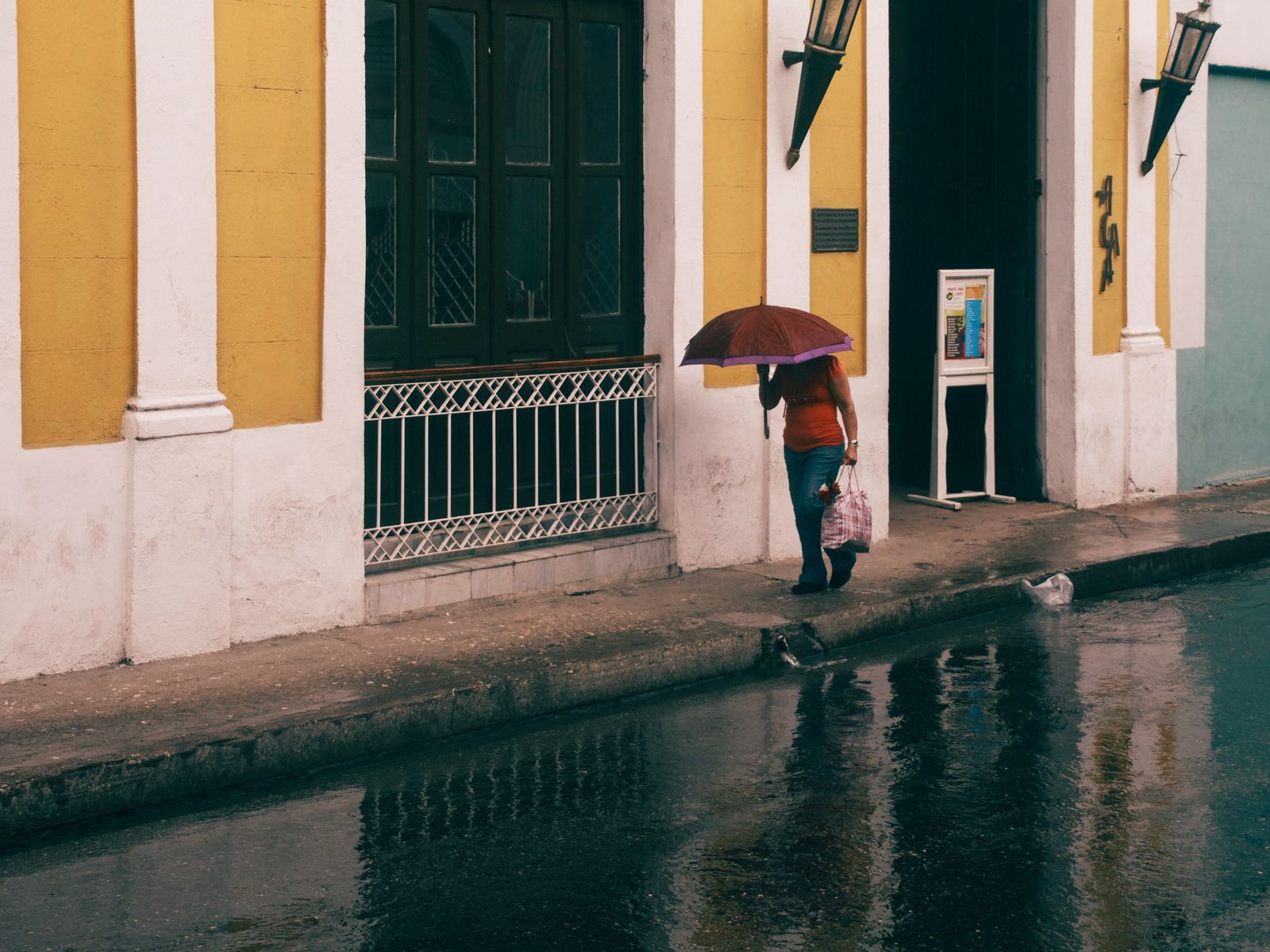
Photo by Mehmet Turgut Kirkgoz on Pexels
Long coats have a reputation for being city garments, and on technical terrain the reputation is fair — anywhere you are lifting a knee above hip height, a full-length hem is in the way. Cinching the waist helps by anchoring the fabric, but it does not make a long coat the right tool for a scramble.
On everything else, the extra length is a genuine advantage. It covers the tops of your thighs, which is the part of you that stays wet longest on a hike in ordinary rain pants-free conditions. It stops water from running off the hem straight into your waistband. And a coat that reaches past your hips protects a lot more skin from UV than a cropped shell does. If you want the case for the cut specifically, the lightweight trench coat for rain sets it out.
A five-step way to choose without guessing
FAQ
Is a waterproof jacket a bad idea for summer hiking? No, but a heavy one is. The problem is not waterproofness, it is the combination of waterproofness with a warm build and no way to vent. A light shell with a breathable mesh lining and openable cuffs handles summer rain without cooking you.
Should I choose water resistant instead of waterproof to get more breathability? Only if your rain is genuinely brief and light. Water resistant fabric wets out in sustained rain, and a wetted-out jacket breathes worse than a waterproof one because the saturated fabric blocks airflow. Waterproof plus active venting is the more reliable combination.
Do I need pit zips? They help, but they are not the only way to vent. Unsnapping the cuffs, releasing a cinched waist, dropping the hood, and unzipping the front partway moves a surprising amount of air. Judge the whole venting system rather than one feature.
How long should a hiking rain jacket be? Long enough to cover your hips and the tops of your thighs for most terrain. Shorter is easier on steep ground; longer keeps more of you dry and shaded. If your hikes are mixed, a long coat with a cinchable waist gives you the most control.
A practical next step
Before comparing products, write down the two numbers that decide this for you: hours of sun exposure and minutes of expected rain on your three most common hikes. Buy for whichever dominates, then check that the lining is mesh and the seams are sealed — those two details predict warm-weather comfort better than any other spec on the tag. For the breathability side specifically, choosing a breathable waterproof hooded trench coat is the natural follow-on.
Cover photo by atelierbyvineeth . . . on Pexels.