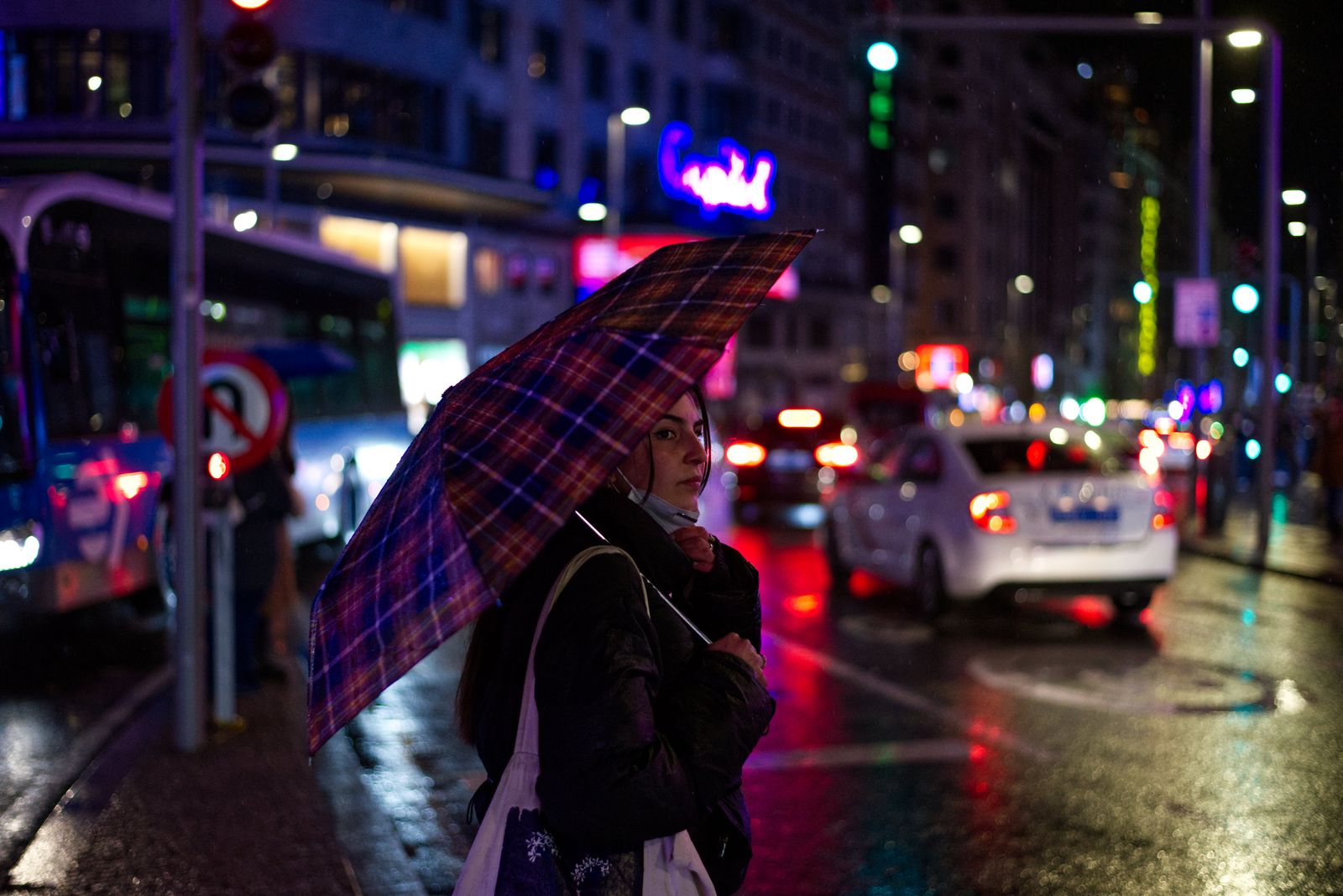
How to Stay Dry and Comfortable During Your Rainy City Commute
Master the 70/30 thermal regulation rule: during rainy urban commutes, 70% of internal discomfort stems from trapped humidity inside public transit, while only 30% comes from external precipitation. Staying dry requires a knee-length coat rated at 10,000mm waterproofing with a minimum breathability rating of 10,000 g/m²/24h, paired with mechanical venting at transit entry points.
Essential Commuter Takeaways
- Apply the 3-Zone Strategy: Adjust outerwear configuration dynamically across street, transit, and office environments.
- Prioritize Knee-Length Coverage: A longer trench stops rain runoff from drenching skirts and trousers.
- Vent Before You Perspire: Release internal heat within 30 seconds of entering public transportation.
- Protect Footwear and Leather Accessories: Use silicone overshoes and waterproof bag liners.
- Deploy Space-Saving Office Drying Hacks: Dry coats discreetly at your desk using absorbent towels.
- Apply the 3-Zone Strategy: Adjust your outerwear configuration dynamically across Zone 1 (sidewalk rain), Zone 2 (humid transit vehicles), and Zone 3 (the office desk).
- Prioritize Knee-Length Coverage: Short jackets dump water runoff directly onto tailored trousers and skirts; a mid-thigh or knee-length trench protects work attire down to the calf.
- Vent Before You Perspire: Unsnap cuffs and lower front zippers within 30 seconds of stepping onto a subway or bus to prevent internal sweat buildup.
- Protect Footwear and Leather Accessories: Use silicone overshoes and internal waterproof dry bag liners to shield leather work totes and dress shoes from puddle splashes.
- Deploy Space-Saving Office Drying Hacks: Use wide plastic hangers beneath your desk with a microfiber towel tray to catch drips without cluttering common areas.
Technical Outerwear Specs for City Transit
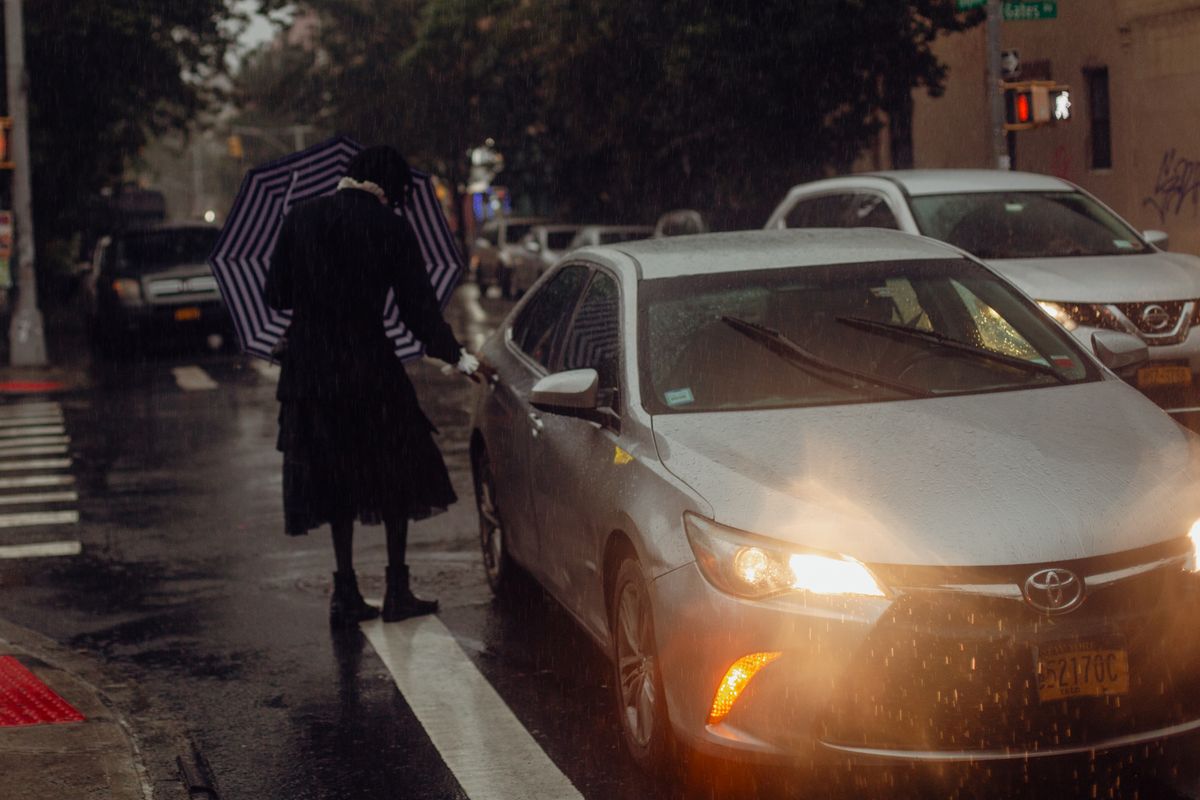
Photo by Yura Forrat on Pexels
| Performance Metric | Minimum Technical Threshold | Why It Matters on City Commutes |
| --- | --- | --- |
| Waterproof Rating (Hydrostatic Head) | 10,000 mm | Withstands heavy urban downpours and wind-driven rain without leaking at shoulder seams under backpack straps. |
| Breathability Rating (MVTR) | 10,000 g/m²/24h | Allows internal perspiration to escape during brisk walking to transit stops, preventing cold dampness. |
| UV Protection Factor | UPF 50+ (Blocks 98% UV) | Protects skin during sudden sun breaks and UV reflection off wet pavement and glass buildings. |
| Garment Weight & Packability | 12 to 16 oz (Folds into pocket) | Stows easily inside work totes or commuter backpacks without adding excessive bulk or weight. |
| Seam Construction | 100% Fully Sealed / Taped | Prevents water seepage through needle holes along high-stress shoulder and hood stitching. |
To stay comfortable during wet urban transit, rainwear must meet specific technical performance thresholds that balance extreme waterproofing with rapid moisture vapor transfer.
Visualizing the 3-Zone Rainy City Commute Strategy
Managing wet weather requires active adjustments as your environment shifts from cold outdoor rain to heated public transit and climate-controlled offices.
Top Outerwear Solution for Urban Commuters
For women seeking the ideal balance of tailored style, weather protection, and transit ventilation, we recommend a lightweight, fully sealed waterproof trench coat.
The Rainy Morning Commute Prep Checklist
- Check 3-hour radar forecast for rain volume and wind speed.
- Wear moisture-wicking synthetic or merino wool base layers under work attire.
- Equip waterproof trench coat with hood drawstring set for wide field of vision.
- Apply water-resistant spray or pack silicone overshoes for footwear.
- Pack waterproof tote liner or rain cover for leather work bags.
- Ensure trench coat pocket contains a microfiber cloth for drying phone screen and glasses.
Pro Tip: Managing Subway Microclimates
Do not wait until you are dripping with sweat inside a packed train car to adjust your rainwear. The moment you cross the turnstile into a heated subway station or board a bus, execute Transit De-Cinching: unsnap your sleeve cuffs, release the waist drawstring, and pull down your main front zipper by at least 4 to 6 inches. Opening these three ventilation pathways allows warm air to escape immediately, keeping your underlying silk or cotton blouses crisp and dry.
Next Steps for Your Commute Protocol
Your decision: Determine whether your daily commute involves crowded indoor transit (requiring high breathability and quick venting) or direct outdoor walking.
Do this next: Equip yourself with a lightweight, packable waterproof trench coat with mesh lining, pair it with silicone shoe covers, and adopt the 3-Zone venting protocol.
- Read next: How to Fold, Pack, and Maintain Your Waterproof Trench Coat
- Read next: The Urban Commuter’s Buying Guide to Women’s Packable Rain Jackets
Waterproof Hooded Trench Coat — UPF 50+ protection, fully sealed seams, breathable mesh lining, and pocket-packable design for seamless transit transitions.
Finalize your rainy weather commuting setup by assessing your daily route needs and reviewing proper garment maintenance.
Choosing the Right Rain Outerwear Strategy
Selecting rain outerwear for city commuting requires balancing high waterproof protection during sidewalk walks with high breathability and ventability during crowded subway trips.
Best choice for
- Lightweight breathable trench coat with mesh lining and adjustable cuffs — Allows quick ventilation on stuffy transit while giving full knee-length rain coverage outdoors.
- Insulated heavy waterproof parka — Prioritizes raw warmth over transit ventilation when indoor time is minimal.
- Wearing non-breathable vinyl or rubberized ponchos on subways, as trapped internal humidity will soak professional attire from the inside out.
- Waterproof Trench Coat with UPF 50+ and Mesh Lining — Combines lightweight coverage, quick temperature dumps, and compact pocket-packing for humid urban weather.
Commuter-Approved Rain Gear
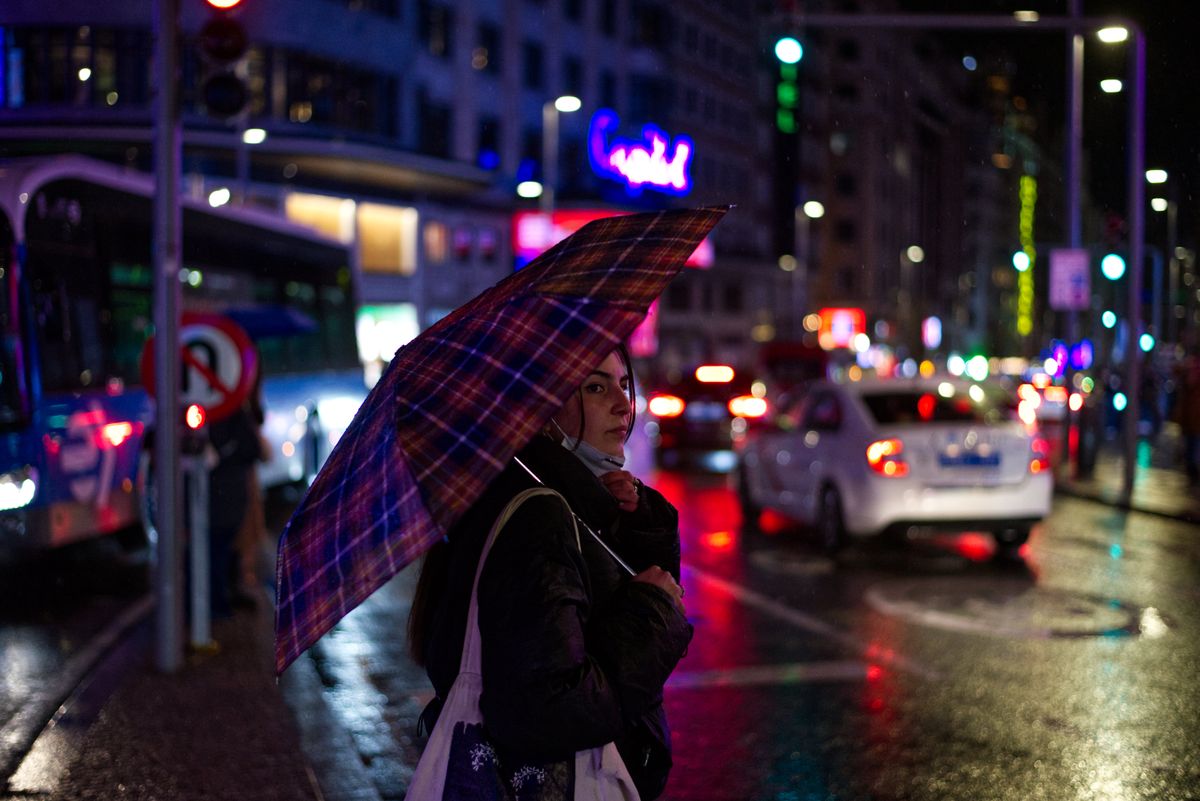
Photo by Gonzalo Carlos Novillo Lapeyra on Pexels
Engineered specifically for the modern commuter, this technical trench coat eliminates the compromise between functional storm protection and polished style.
Waterproof Hooded Trench Coat
- 10,000mm Waterproof Rating & Sealed Seams: Keeps sudden urban downpours from penetrating your work clothing.
- Breathable Mesh Interior: Prevents internal moisture and heat buildup during fast walks to the train.
- Packable Self-Storing Pocket: Folds down into a compact pouch when the sun breaks through.
- UPF 50+ UV Defense: Blocks 98% of harmful solar rays during afternoon cloudburst clearings.
Navigating a rainy metropolitan commute presents a complex physical challenge: managing dramatic environmental transitions within minutes. On an average wet weekday morning, a commuter experiences three distinct microclimates:
Moisture Vapor Transfer vs. Surface Waterproofing
To understand why traditional vinyl or heavy rubber rain slickers leave you feeling soaked inside, consider how waterproof-breathable fabrics operate. Outer face fabrics are treated with a Durable Water Repellent (DWR) coating that causes liquid water to bead up and roll off. Beneath this outer shell sits a microporous membrane containing billions of microscopic pores per square inch. These pores are 20,000 times smaller than a water droplet, preventing rain from entering, but 700 times larger than a water vapor molecule, allowing body heat and perspiration to escape.
However, when walking briskly at 3.5 miles per hour to catch a bus, your body generates approximately 400 to 600 watts of heat energy. If your trench coat lacks a breathable mesh lining or ventilation snaps, moisture vapor condenses against the cool inner lining, wetting your work clothes from the inside out. Selecting a coat with active venting options—such as un-snapping wrist cuffs and loosening drawstring waists—ensures that internal humidity escapes before condensation occurs.
Footwear Preservation & Laptop Bag Protection
Water management does not stop at your shoulders. Sidewalk puddles often reach depths of 1 to 2 inches at street curbs. To keep leather dress shoes and pumps pristine:
- Deploy Compact Silicone Overshoes: Slip-on waterproof silicone shoe covers fit over heels and loafers, creating an impermeable barrier against urban slush and oil-filmed runoff. Once inside, roll them into a ziplock bag.
- Enclose Work Totes in Dry Bag Liners: Rather than relying on water-resistant leather coatings, place your laptop and documents inside an ultra-lightweight dry bag inserted directly into your work tote.
- Utilize Full Mid-Thigh Coverage: Short rain jackets dump all intercepted rainwater straight onto your thighs and knees. A knee-length trench coat directs runoff past your knees, shielding dress trousers and skirts.
Commuter Rain Outerwear vs. Heavy Shells vs. Ponchos
| Commute Scenario | Packable Trench Coat | Heavy Technical Shell | Emergency Rain Poncho |
| --- | --- | --- | --- |
| Brisk Sidewalk Walk in Heavy Downpour | High: Knee-length coverage shields legs; sealed seams block driving rain. | Moderate: Excellent storm sealing, but short length leaves trousers drenched. | Low: Unstructured sides flap in wind, exposing arms and lower body. |
| Packed, Heated Subway Car Ride | High: Uncinch waist, unsnap cuffs, and unzip mesh lining to vent heat quickly. | Low: Rigid mountain fabrics trap extreme heat, causing rapid perspiration. | Low: Non-breathable plastic acts like a greenhouse; impossible to vent discreetly. |
| Post-Rain Office Storage in Small Cubicle | High: Folds into its own small pocket; dries rapidly on a desk hanger. | Moderate: Stiff fabric occupies heavy closet space; slow to air dry. | Low: Wet, flimsy plastic collapses into puddles on the office floor. |
| Professional Styling over Suit Blazers | High: Tailored silhouette with adjustable waist fits neatly over corporate wear. | Low: Boxy, technical mountain aesthetic clashes with formal business attire. | Low: Completely lacks professional structure or aesthetic polish. |
Evaluating outerwear performance across realistic city commute scenarios.
5 Commuter Rain Gear Mistakes to Avoid
Avoid these common rainwear missteps to keep your corporate clothing and footwear dry during stormy commutes.
Further Guides for Urban Outdoor Utility
Explore additional technical resources on outerwear maintenance, fabric care, and transit gear selection:
- How to Fold, Pack, and Maintain Your Waterproof Trench Coat
- The Urban Commuter’s Buying Guide to Women’s Packable Rain Jackets
- Active Utility FAQ: Caring for, Packing, and Styling Your Waterproof Trench Coat
- Fully Sealed Seams vs. Water-Resistant Coatings: Technical Rainwear Explained
Frequently Asked Questions About Rainy City Commutes
Answers to common practical questions regarding wet-weather commuting and office drying.
Final Action Steps for Rainy Weather Readiness
Your decision: Choose the optimal size and colorway for your Waterproof Hooded Trench Coat to layer over your standard weekday wardrobe.
Do this next: Order your lightweight packable trench coat, pack silicone shoe covers, and implement the 3-Zone venting strategy on your next wet commute.
- Read next: How to Fold, Pack, and Maintain Your Waterproof Trench Coat
Waterproof Hooded Trench Coat at https://waterprooftrenchcoat.com
Take these concrete steps to build your ultimate wet-weather commuting system today.
Cover photo by Gonzalo Carlos Novillo Lapeyra on Pexels.