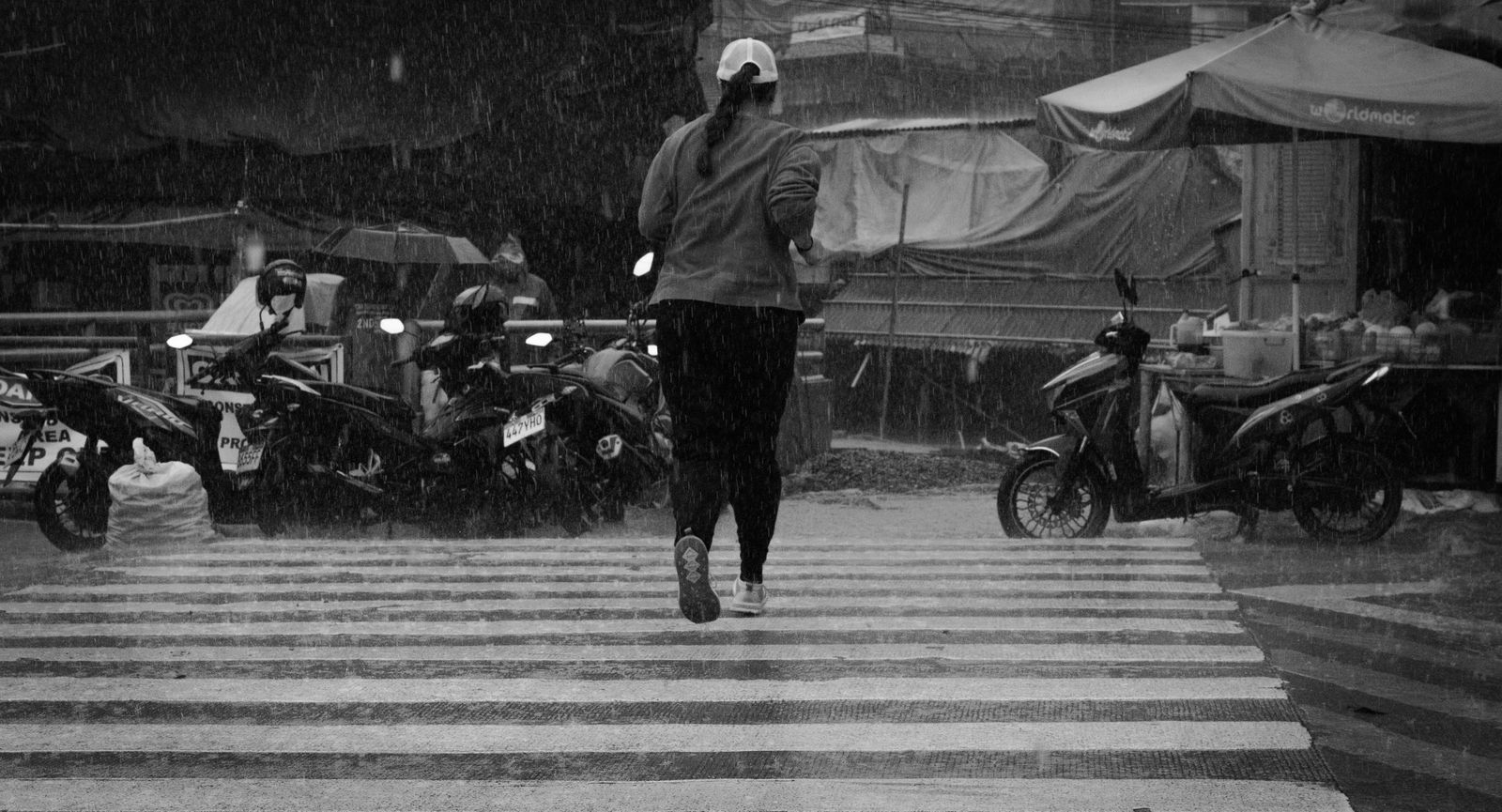
Do Rain Jackets Need UPF Protection? How UV-Blocking Waterproof Outerwear Works
Rule of thumb: Standard thin rain jackets allow up to 20% of UV rays through micro-gaps in synthetic weaves, especially when wet. UPF 50+ waterproof fabric blocks 98% of UVA/UVB radiation using high-density 75D yarn weave, TiO2-infused fibers, and seam-sealed waterproof membranes, protecting your skin through 80% cloud cover downpours and high-altitude tropical sun.
Essential Technical Takeaways
- 80% Cloud UV Transmission: Up to 80% of ultraviolet radiation penetrates cloud cover, making overcast rainstorms a significant sun exposure risk.
- Wet-Fabric Refraction: Absorbed moisture on non-UPF fabrics acts like microscopic lenses, increasing UV transmittance by 30% to 50%.
- 98% UV Blockade: A certified UPF 50+ rating requires dense yarn construction or mineral embedding (TiO2) to stop both UVA and UVB rays.
- Seam Sealing + Ventilation: Complete seam taping prevents leak points, while interior mesh linings keep damp fabric off skin to maintain ventilation.
Technical Spec Matrix: Standard Rainwear vs. UPF 50+ Waterproof Fabric
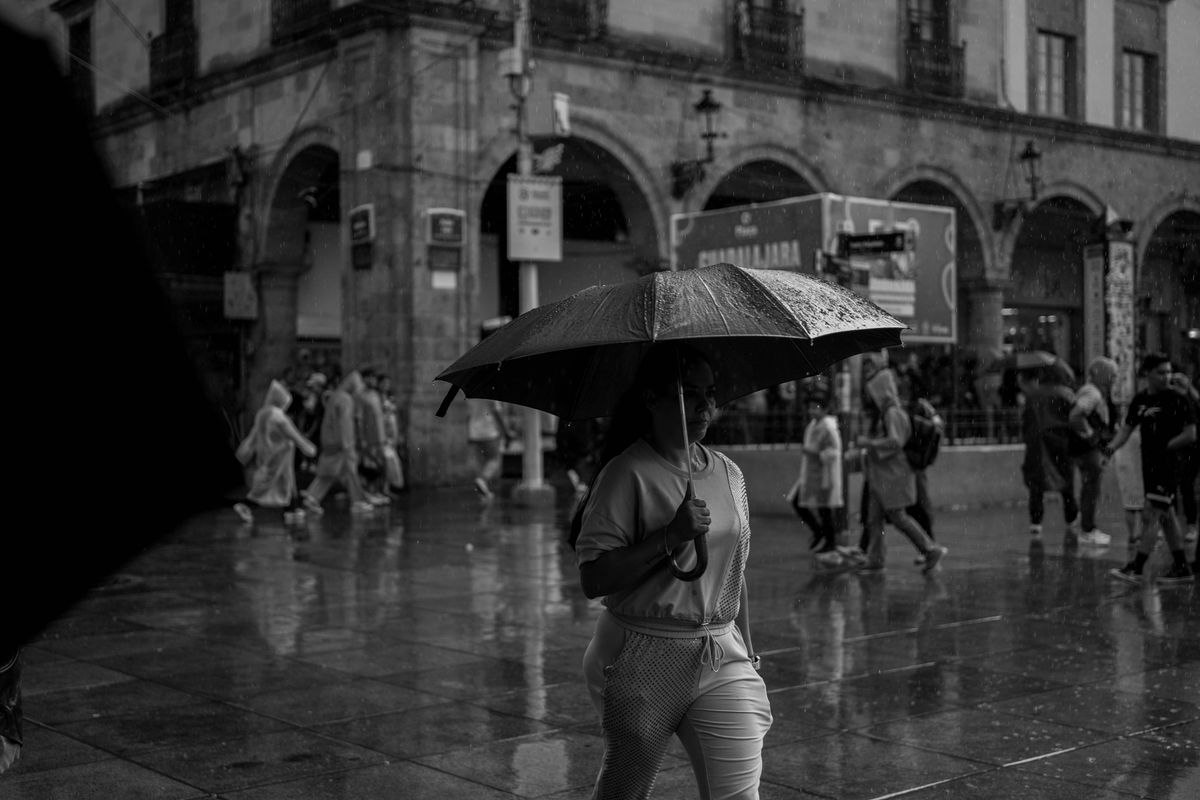
Photo by Alejandro JV on Pexels
| Technical Metric | Standard 15D/20D Rain Shell | Vinyl Emergency Poncho | UPF 50+ Waterproof Trench Coat |
| --- | --- | --- | --- |
| UV Radiation Transmittance | 15% - 20% (Allows UVA/UVB penetration) | 10% - 15% (Unrated plastic sheet) | < 2% (Certified UPF 50+ Protection) |
| Wet-State Performance | Loses up to 50% UV blocking efficiency when wet | Degrades under thermal stretching | Maintains 98% UV blockage wet or dry |
| Yarn & Weave Architecture | Low-denier (15D-20D) loose weave | Non-woven pressed sheet | High-density 75D tight weave with embedded TiO2 |
| Waterproof Capability | 5,000mm - 10,000mm hydrostatic head | 2,000mm hydrostatic head | 15,000mm+ fully seam-sealed outer shell |
| Breathability & Humidity Control | Unlined (sticks to damp skin) | Zero breathability (creates sauna effect) | Breathable mesh liner + climate-control ventilation |
| Travel Packability | Ultra-light (packs small) | Bulky, rigid plastic folding | Lightweight & packable (folds into its own pocket) |
Compare the structural differences between standard rain shells, emergency ponchos, and engineered UPF 50+ travel outerwear.
Visual Breakdown: Cross-Section of UPF 50+ Waterproof Fabric
Examine how multi-layer textile engineering reflects solar radiation while creating an impenetrable barrier against wind-driven precipitation.
Expert Textile Advice: The Wet-Fabric UV Amplification Rule
Never assume water resistance equals sun protection. When standard untreated nylon absorbs surface moisture, liquid fills the micro-voids between threads. This creates an optical bridge that increases light scattering and UV penetration by up to 50%. Always verify that your garment has a tested UPF 50+ rating embedded into the fiber structure or dense weave, rather than relying solely on a superficial DWR coating.
Decision Matrix: When Do You Need UPF 50+ Waterproof Outerwear?
Standard lightweight rain jackets often compromise on UV blocking to save weight, using ultra-thin 15D-20D nylon that lets up to 20% of UVA/UVB rays penetrate—especially when wet. For all-weather travel across variable climates, choose a high-density, seam-sealed UPF 50+ waterproof coat.
Best choice for
- UPF 50+ Mesh-Lined Waterproof Trench Coat — Blocks 98% of harmful UV rays during intense sunny spells while providing 100% seam-sealed rain protection without clinging to damp skin.
- Breathable Cinchable Trench Coat — Prevents diffuse UV radiation from penetrating cloud cover while keeping you cool and structured with an adjustable waist.
- Assuming clear plastic emergency ponchos offer sun protection during tropical cloudbursts.
- Relying on ultra-lightweight 15D translucent rain shells in high-elevation or equatorial climates.
- Separate Sun Hoodie + Ultralight Rain Shell — Functional for technical multi-day backpacking, but adds bulk, traps excess heat in warm rain, and lacks a polished silhouette for urban travel.
Engineered Solution: All-Climate UPF 50+ Waterproof Trench Coat
Engineered for the woman who refuses to let weather dictate her plans. This waterproof UPF 50+ jacket combines serious sun and rain protection with a sleek, flattering silhouette.
- UPF 50+ Sun Protection: Embedded TiO2 fibers block 98% of harmful UVA/UVB radiation.
- Fully Seam-Sealed Shell: Impermeable barrier repels torrential downpours and driving wind.
- Breathable Mesh Lining: Prevents fabric from clinging to humid skin, maintaining airflow.
- Customizable Silhouette: Cinchable drawstring waist, adjustable hood, and snap-button cuffs.
- Travel Packability: Lightweight design folds compactly into its own pocket for easy packing.
Many travelers assume that rain protection and sun protection are mutually exclusive outdoor gear features. If skies are dark enough to rain, sun protection feels like an afterthought. However, atmospheric physics and textile science tell a very different story.
Cloud Cover and Diffuse UV Radiation
Radiation from the sun reaches Earth in three forms: infrared, visible light, and ultraviolet (UV). Cloud cover easily blocks visible light, creating dark, overcast skies. However, clouds do not stop ultraviolet rays with equal efficiency. Up to 80% of solar UV radiation passes directly through cloud layers. In tropical regions, coastal areas, and high elevations, diffuse UV radiation scatters through water vapor in clouds, resulting in high UV index readings even during active rainstorms.
How Fiber Denier and Weave Density Impact UV Transmission
Standard modern rain shells prioritize featherlight packability. To achieve weights under 8 ounces, manufacturers frequently utilize ultra-thin 15-denier (15D) or 20-denier (20D) synthetic nylon yarns woven in loose micro-grids. While a thin polyurethane (PU) backing or Durable Water Repellent (DWR) coating keeps liquid water from passing through, it leaves microscopic clear gaps between the thin fibers.
UV light rays travel in short wavelengths (280–400 nanometers) that pass directly through these micro-voids. Unless the face fabric is specifically engineered with high-density yarn (such as 75D tight weaves) or embedded with UV-scattering minerals like Titanium Dioxide (TiO2), thin synthetic fabric acts like a sieve for UV radiation.
The Optical Bridge: Why Wet Fabric Transmits More UV Light
When a standard rain jacket is exposed to prolonged rain, the outer fabric face can absorb micro-amounts of surface water if the DWR coating experiences wet-out. Water has a refractive index (1.333) much closer to synthetic polymers (1.53) than air (1.00).
When water fills the tiny gaps between threads in non-UPF rated fabric, it eliminates air-to-fiber refractive boundaries. This creates an 'optical bridge' that reduces light scattering, allowing UV rays to pass straight through the wet fabric onto your skin. Lab testing indicates that standard wet fabrics can lose 30% to 50% of their dry UPF efficacy. Certified UPF 50+ waterproof outerwear solves this problem by using dense yarn counts and physical UV blockers that maintain 98% radiation blockade regardless of wet or dry conditions.
High Altitude and Tropical UV Amplification
For travelers venturing to destinations like Peru, the Colorado Rockies, or East Africa, altitude significantly amplifies solar intensity. UV radiation levels increase by approximately 10% to 12% for every 1,000 meters (3,280 feet) of elevation gain. Combining high altitude, thin mountain atmosphere, and cloud reflection means that rain gear worn in alpine environments must incorporate structural UPF 50+ defense to prevent severe solar skin damage during high-country treks.
Performance Matrix Across Travel Weather Scenarios
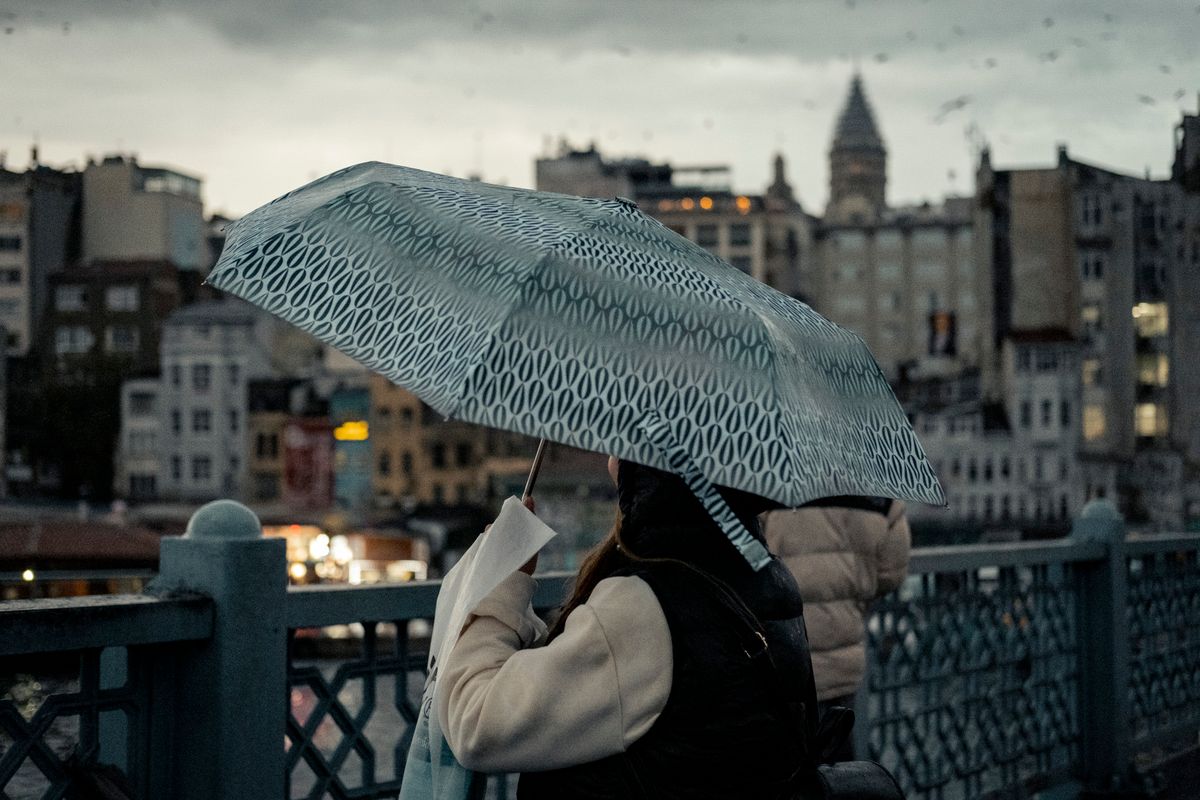
Photo by Zeynep Sude Emek on Pexels
| Travel Scenario | Standard 20D Rain Shell | Vinyl Emergency Poncho | UPF 50+ Waterproof Trench Coat |
| --- | --- | --- | --- |
| Tropical Mountain Trail (UV Index 11+, 85°F, Sudden Cloudbursts) | Passes diffuse UV rays; unlined interior sticks to sweaty arms and shoulders. | Traps heat; tears easily on trail branches; offers unrated solar protection. | Blocks 98% UVA/UVB; breathable mesh lining suspends fabric away from damp skin. |
| High-Altitude Alpine Hike (UV Index 12+, 55°F, Wind & Overcast) | Windproof but allows up to 20% UV transmission during extended exposure. | Flaps violently in high mountain winds; lacks thermal structure. | Fully seam-sealed storm barrier with complete UPF 50+ ultraviolet defense. |
| Coastal City Sightseeing (UV Index 7, 75°F, Light Humid Drizzle) | Lacks breathability; athletic outdoor aesthetic feels out of place in urban centers. | Unflattering plastic appearance; noisy rustling while walking. | Sleek trench silhouette with cinchable waist and packable travel convenience. |
| Desert Canyon Exploration (UV Index 10+, 90°F, Intense Dry Sun) | Heavy and stifling under direct sunlight with no active cooling liner. | Creates unbearable greenhouse heat effect in dry desert sun. | Functions as a lightweight UPF 50+ sun coat with breathable ventilation. |
Evaluate how different garment types perform across distinct real-world travel weather conditions.
4 Critical Oversights Travelers Make with Rainy Climate Sun Protection
Avoid these frequent travel mistakes when selecting gear for variable climates:
Related Fabric Science & Packing Guides
- How to Wash a UPF 50+ Waterproof Trench Coat to Preserve Sun Protection
- Understanding Waterproof Ratings and UPF Protection in Women's Outerwear
- How to Care for UPF 50+ Rain Jackets: Washing & DWR Maintenance Guide
Frequently Asked Questions About UPF 50+ Waterproof Outerwear
Does washing a rain jacket degrade its UPF 50+ sun protection rating over time?
No, provided the UPF 50+ rating is achieved through tight structural weave density and embedded mineral particles like Titanium Dioxide (TiO2). Unlike temporary topical chemical treatments, mineral-infused fibers do not wash out in standard laundry cycles. Proper laundering maintains both DWR waterproofing and UV blocking.
How does high humidity and warm weather affect UPF rainwear performance?
In warm humidity, trapped sweat can cause unlined waterproof jackets to stick to skin, causing discomfort and reduced air movement. Outerwear engineered with a breathable interior mesh lining keeps the waterproof membrane suspended slightly off the skin, maintaining ventilation and continuous UPF 50+ coverage.
What is the difference between SPF and UPF in technical outdoor gear?
SPF (Sun Protection Factor) measures sunburn protection time on human skin under UVB radiation only. UPF (Ultraviolet Protection Factor) measures the exact percentage of both UVA and UVB radiation blocked by a textile fabric. A UPF 50+ rating guarantees that less than 1/50th (under 2%) of solar UV rays reach skin.
Can you wear a UPF 50+ waterproof trench coat comfortably in dry, sunny climates?
Yes. Because the garment features a lightweight 75D face fabric, breathable interior mesh lining, and adjustable cinch points, it functions exceptionally well as a standalone UPF 50+ sun coat during dry, windy, or dusty weather without overheating.
Technical answers to common questions regarding sun-protective rainwear.
Immediate Action Plan for Travel Planning
Your decision: Determine if your upcoming travel itinerary includes high UV indices (6+), elevation, or overcast tropical rain where standard thin rain jackets fail to protect skin.
Do this next: Audit your rainwear for fabric denier and explicit UPF 50+ certification rather than assuming water resistance equals sun protection.
- Read next: Does Washing Damage UPF 50+ Sun Protection? Fabric Care FAQ for Travel Outerwear
- Read next: Best Breathable Travel Raincoats for Warm Climates: A Buyer's Guide
Inspect the Waterproof Hooded Trench Coat in UPF 50+ fully seam-sealed fabric for all-weather protection.
Prepare your travel outerwear system before your next trip.