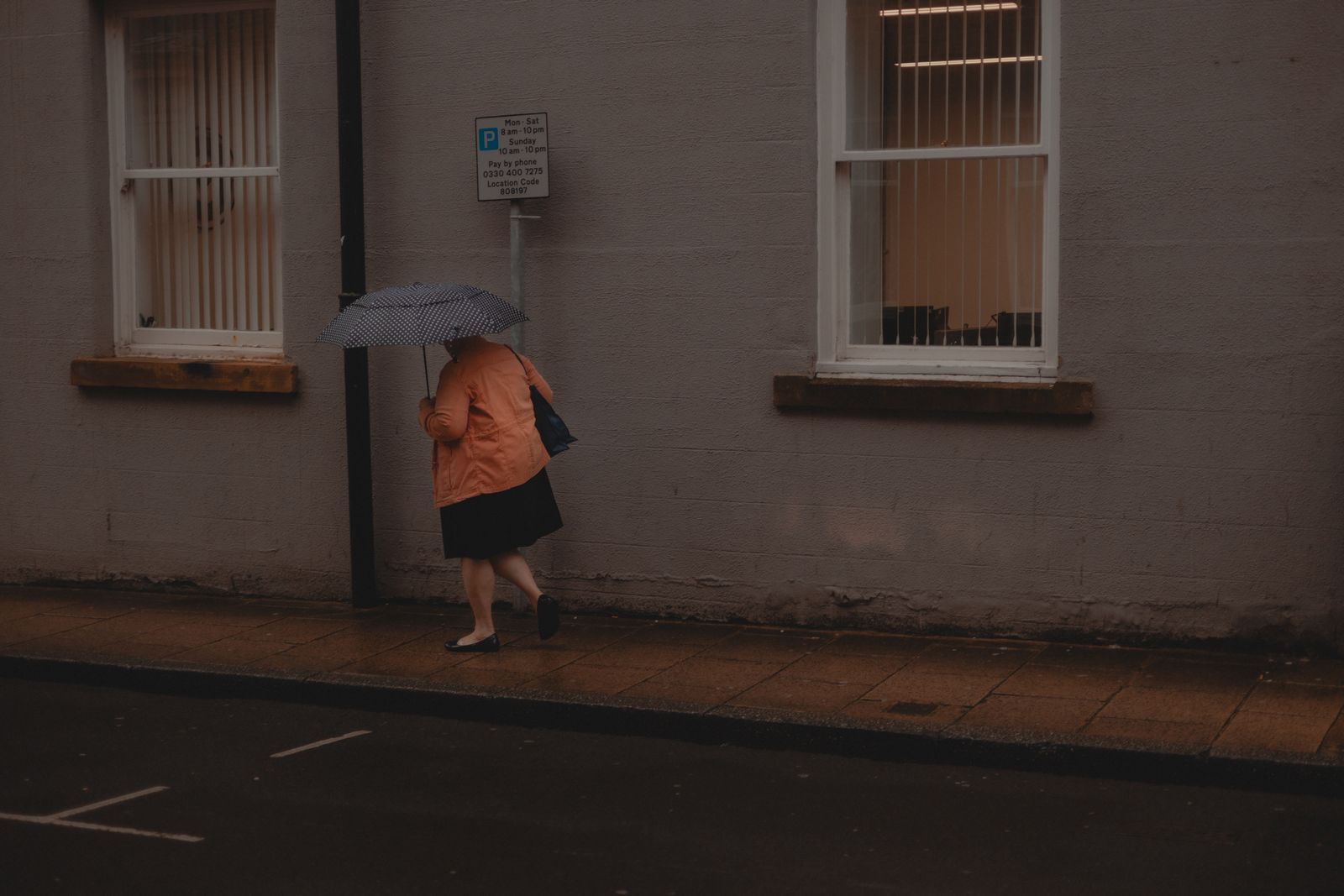
Why Do Rain Coats Make You Sweat? How to Stop Overheating in Humid Rain
Is your raincoat leaking from the outside or soaking you from the inside? In over 90% of humid downpours, internal sweat condensation—not shell leakage—is the primary failure mode. Raincoats make you sweat because waterproof membranes block liquid rain while trapping body vapor when ambient humidity spikes. To stop overheating, replace cotton base layers with moisture-wicking synthetics, loosen cuff snaps and waist drawstrings to activate convective chimney airflow, and wear outerwear with an integrated breathable mesh lining.
Airflow & Venting Flowchart: The Chimney Effect
- Are you active in warm rain (over 65°F / 18°C)? → Yes: Step 1: Uncinch waist drawstring completely to create an bottom airflow entry point.. No: Keep waist cinched for tailored wind blocking; adjust collar for mild ventilation..
- Does skin feel sticky or clammy under the jacket sleeves? → Yes: Step 2: Unsnap wrist cuffs fully to open sleeve chimneys and allow heat exhaust.. No: Maintain snug cuff adjustment to prevent driving rain ingress..
- Is interior shell wall forming liquid droplets? → Yes: Step 3: Unzip main front closure 2-3 inches from the top to release rising torso heat.. No: Continue monitoring humidity and maintain current venting balance..
Diagnostic Guide: Sweat Condensation vs. Fabric Leakage
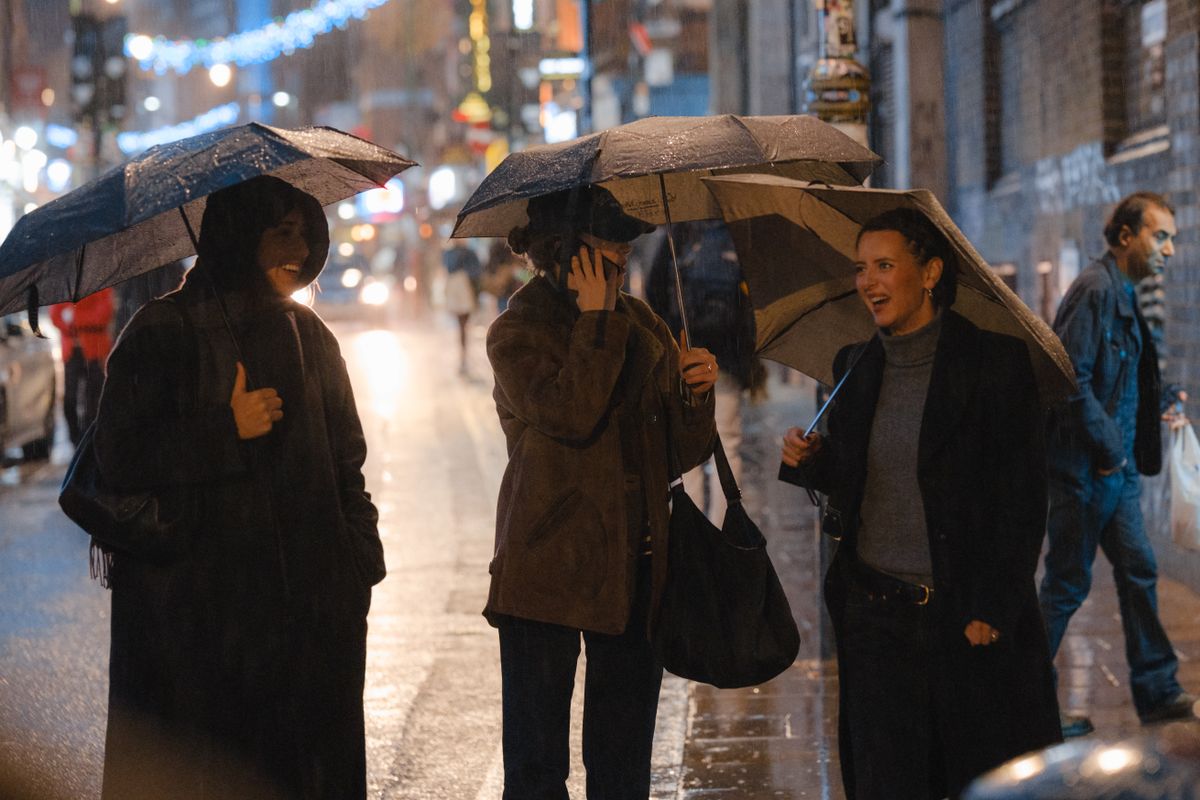
Photo by Krystian B on Pexels
| Symptom / Failure Mode | Observed Location | Root Cause | Corrective Action |
| --- | --- | --- | --- |
| Dampness on chest/back under straps | Under backpack or shoulder straps | Pressure condensation; trapped sweat cannot evaporate through crushed membrane pores. | Switch to a seamless polyester/merino tank and loosen chest/waist harness straps. |
| Uniform clammy sheen inside entire coat | Interior shell lining across torso and arms | High ambient humidity preventing Moisture Vapor Transmission Rate (MVTR) gradient. | Loosen cuff snaps, open waist cords, and ensure a mesh lining separates shell from skin. |
| Localized wet spots along stitching | Shoulder seams, hood seams, or armholes | Degraded seam tape or needle hole penetration under heavy rain pressure. | Apply liquid seam sealer or replace garment with fully sealed-seam construction. |
| Outer fabric turns dark and heavy | Shoulder caps, sleeves, and upper back | DWR (Durable Water Repellent) failure leading to fabric saturation ('wetting out'). | Wash coat with technical cleaner and tumble-dry or spray re-proof with DWR activator. |
Before assuming your rain jacket has suffered a structural seam or membrane failure, use this diagnostic matrix to pinpoint the exact failure mode affecting your garment.
Top Recommendation: Moisture-Management Travel Outerwear
If you frequently travel through tropical climates or humid summer downpours, relying on a 2.5-layer unlined shell often leads to sticky, uncomfortable skin contact. The ideal solution combines a high-performance waterproof barrier with structural internal airflow.
Pro Tip: The 'Chimney Effect' Microclimate Hack
Hot air naturally rises. When you walk briskly, your torso acts like a heat engine, raising the temperature inside your raincoat well above the outside ambient air. If your waist drawstring is cinched tight, that hot, vapor-rich air is trapped inside a closed container, forcing it to condense into liquid sweat droplets against the cold inner membrane.
To activate the Chimney Effect: completely uncinch the waist cord, unbutton cuff snaps, and open the top two inches of your front zipper. As you walk, cool air is drawn upward from the loose hem, picks up body steam, and exhausts it rapidly out the cuffs and collar—keeping you dry without letting rain inside.
Decision Tree: Base Layer & Venting Strategy by Humidity Level
- Is outdoor relative humidity above 80%? → Yes: High Humidity Mode: Avoid all cotton. Wear ultra-light synthetic or 120g merino base layer.. No: Standard Mode: Light synthetic or breathable cotton-blend is acceptable for casual walking.
- Is ambient temperature above 70°F (21°C)? → Yes: Warm Rain Setup: Uncinch waist, open sleeve snaps, wear sleeveless moisture-wicking top under mesh-lined trench.. No: Cool Rain Setup: Cinch waist moderately for fit, wear long-sleeve moisture-wicking thermal base.
- Are you carrying a backpack or travel bag? → Yes: Venting Rule: Loosen bag straps periodically to allow compressed interior back panel to release trapped steam.. No: Venting Rule: Maintain relaxed hem airflow for continuous convective cooling.
Immediate Action Checklist for Humid Rain Travel
Your decision: Determine whether your current coat's 'leakage' is actually condensation caused by non-wicking base layers or a lack of internal mesh ventilation.
Do this next: Switch to a synthetic or merino base layer, loosen cuff and waist drawstrings to activate convective airflow, and upgrade to a mesh-lined travel trench for high-humidity trips.
- Read next: Mesh-Lined vs. Unlined Rain Jackets: Which Keeps You Coolest in Summer Downpours?
- Read next: How to Layer Under a Waterproof Trench Coat Without Adding Bulk
Waterproof Hooded Trench Coat — featuring breathable mesh lining, UPF 50+ sun protection, and a cinchable silhouette for humid weather.
Before heading out into warm or humid rain, perform these quick microclimate adjustments to stay cool and dry.
Key Takeaways: Mastering Breathability in Humid Downpours
- Most interior raincoat dampness is body sweat condensation, not outer shell leakage.
- Waterproof membranes rely on a vapor pressure differential; high humidity severely reduces breathability.
- Cotton base layers act like sponges, holding moisture against skin and worsening the sauna effect.
- Mesh linings create a physical air gap that prevents cold, damp membrane contact with skin.
- Mechanical venting (open cuffs, uncinched waists, relaxed hems) is up to 5 times more effective at dumping heat than fabric breathability alone.
- A failing DWR coating causes fabric 'wetting out,' trapping body heat and steam inside the coat barrier.
Fabric Construction Matrix: Mesh-Lined vs. Unlined Shells
| Feature / Construction | Mesh-Lined Trench Coat | Unlined 2.5-Layer Shell | Coated Rubber/Vinyl Poncho |
| --- | --- | --- | --- |
| Skin-Touch Comfort | High: Mesh prevents sticky membrane contact | Low: Feels clammy and wet directly against bare skin | Very Low: Sticks immediately to sweating skin |
| Vapor Transfer Efficiency | High: Air layer distributes steam across mesh matrix | Moderate: Relies entirely on membrane pore diffusion | Zero: Completely non-porous barrier traps 100% vapor |
| Airflow Customization | Excellent: Adjustable cinch waist and snap cuffs | Moderate: Pit zips or rigid wrist hook-and-loops | Poor: Loose drape but no controlled microclimate venting |
| All-Weather Versatility | Excellent: UPF 50+ sun safety plus waterproof protection | Good: Rain protection only; lacks sun safety features | Low: Emergency single-use or storm-only protection |
Compare how different internal coat constructions perform under high-humidity downpours and active urban travel.
Featured Outerwear Solution: The All-Weather Mesh-Lined Trench Coat
Designed for active women navigating unpredictable travel weather, this trench combines rigorous weatherproofing with intelligent heat-dumping features.
Decision Support: When to Choose Mesh-Lined Travel Outerwear
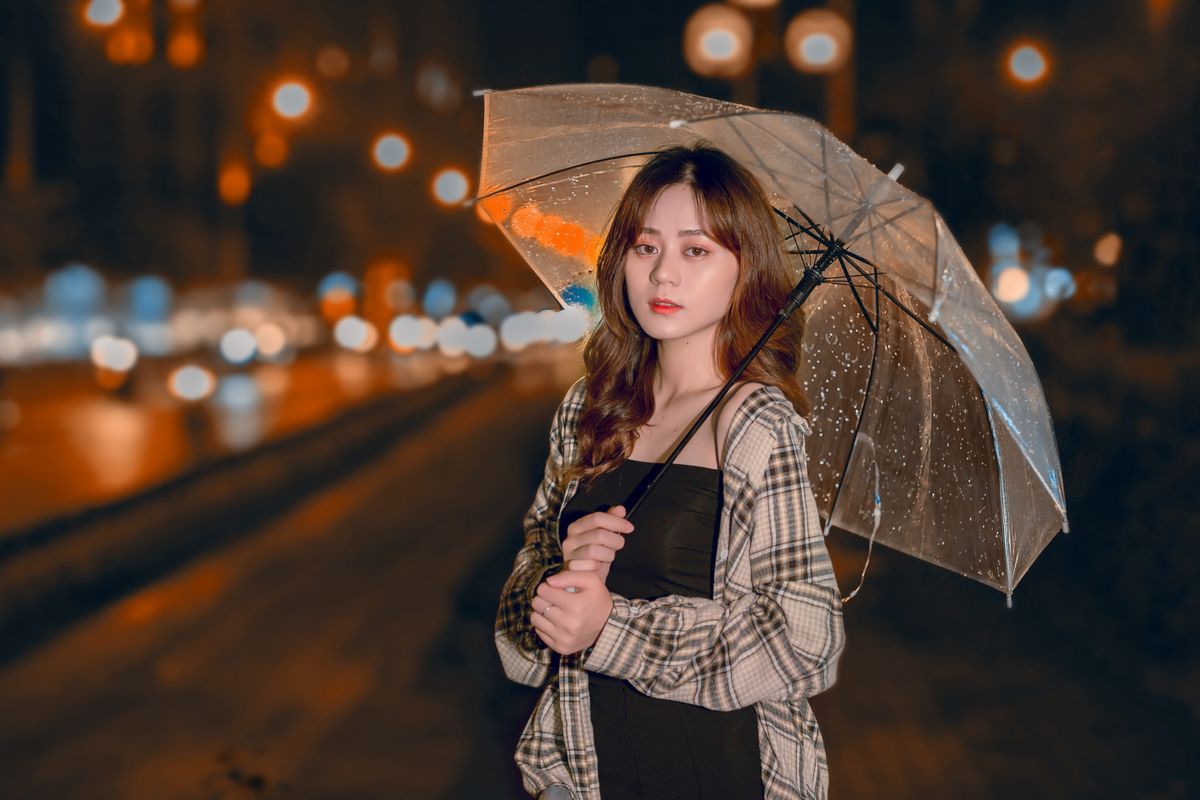
Match your rainwear choices to your regional humidity, activity output, and skin-comfort preferences.
Best choice for
- Mesh-Lined Waterproof Trench Coat — Integrated mesh holds damp shell fabric off skin while cinchable waist and snap cuffs allow instant temperature tuning.
- Heavyweight 3-Layer Hard Shell with Pit Zips — Provides maximum abrasion resistance and heavy snow/ice defense in sub-freezing or mountain storm environments.
- Wearing 100% cotton T-shirts or fleece under non-breathable rubber ponchos in 75°F+ humidity.
- Tightly cinching all cord locks and wrist closures while walking briskly uphill in warm rain.
- Ultra-lightweight 2.5-layer running jacket — Good for aerobic trail running, but lacks city-ready styling, deep secure pockets, and UPF 50+ sun coverage.
Specifications Matrix: Breathability Ratings & Vapor Permeability
| Metric / Specification | Technical Standard | Target Range for Humid Rain | Functional Benefit |
| --- | --- | --- | --- |
| MVTR (Moisture Vapor Transmission Rate) | JIS L 1099 B-1 | 10,000 to 20,000 g/m²/24h | Measures grams of sweat vapor passing through 1m² of fabric in 24 hours. Higher values equal less sweating. |
| RET (Resistance to Evaporative Heat Transfer) | ISO 11092 | RET < 6 (Extremely Breathable) | Lower numbers mean lower resistance to heat escape. RET below 6 prevents heat buildup during active walking. |
| Waterproof Rating (Hydrostatic Head) | JIS L 1092 / AATCC 127 | 10,000mm to 15,000mm water column | Ensures complete rain protection under driving winds without requiring rigid, non-breathable heavy plastics. |
| UPF Rating (Ultraviolet Protection Factor) | AATCC 183 / ASTM D6603 | UPF 50+ (Blocks 98% UV) | Protects skin from intense tropical sun rays when cloud cover breaks after a summer downpour. |
Understanding the technical metrics behind rainwear performance helps you choose outerwear that won't turn into a portable steam room.
Step-by-Step: 4 Steps to De-Humidify Your Raincoat Microclimate
Follow these four sequential physical adjustments whenever you feel heat or clamminess building up under your jacket.
5 Common Mistakes That Turn Your Raincoat Into a Sauna
Avoid these critical layering and garment adjustment errors that cause rapid overheating during rainy travel.
Frequently Asked Questions About Raincoat Overheating & Sweat
Find fast, practical answers to common questions about managing body heat and moisture in technical outerwear.
Related Layering & Outerwear Guides
- Why Standard Raincoats Make You Sweat in Humid Weather
- Sweat or Condensation? How to Keep From Sweating in a Rain Jacket
- Best Women's Hiking Rain Jackets for Warm and Humid Weather
Next Steps: Complete Your Humid Weather Outerwear System
Your decision: Determine whether your current coat's 'leakage' is actually condensation caused by non-wicking base layers or a lack of internal mesh ventilation.
Do this next: Switch to a synthetic or merino base layer, loosen cuff and waist drawstrings to activate convective airflow, and upgrade to a mesh-lined travel trench for high-humidity trips.
- Read next: Mesh-Lined vs. Unlined Rain Jackets: Which Keeps You Coolest in Summer Downpours?
- Read next: How to Layer Under a Waterproof Trench Coat Without Adding Bulk
Waterproof Hooded Trench Coat — featuring breathable mesh lining, UPF 50+ sun protection, and a cinchable silhouette for humid weather.
Take control of your travel microclimate so weather never interrupts your itinerary.
Cover photo by Ffion Scott on Pexels.