UPF and Rain in One Jacket: Vacation Outerwear Questions Answered
Most vacation outerwear questions come down to one decision: whether a single jacket can carry both the rain and the sun on your itinerary. If the coat is waterproof with sealed seams, carries a stated UPF rating, has a hood you can adjust, and folds into its own pocket, the answer is usually yes — and the questions that follow are about how to use it, not what else to buy.
Do I actually need UPF outerwear on vacation?
If your trip involves hours outdoors, yes, and more than at home. Vacation days put you in the open far longer than ordinary ones, often near reflective surfaces — water, sand, pavement, snow, glass — which increase the ultraviolet light reaching your skin from angles sunscreen tends to miss.
The advantage of a rated garment is consistency. The Waterproof Hooded Trench Coat provides UPF 50+ sun protection that blocks 98% of harmful UV rays, and it delivers that for every hour you wear it without reapplication, sweat resistance, or coverage guesswork. Sunscreen still has a job on your face and hands. The garment simply removes the largest area of skin from the equation.
Will one coat work across different climates?

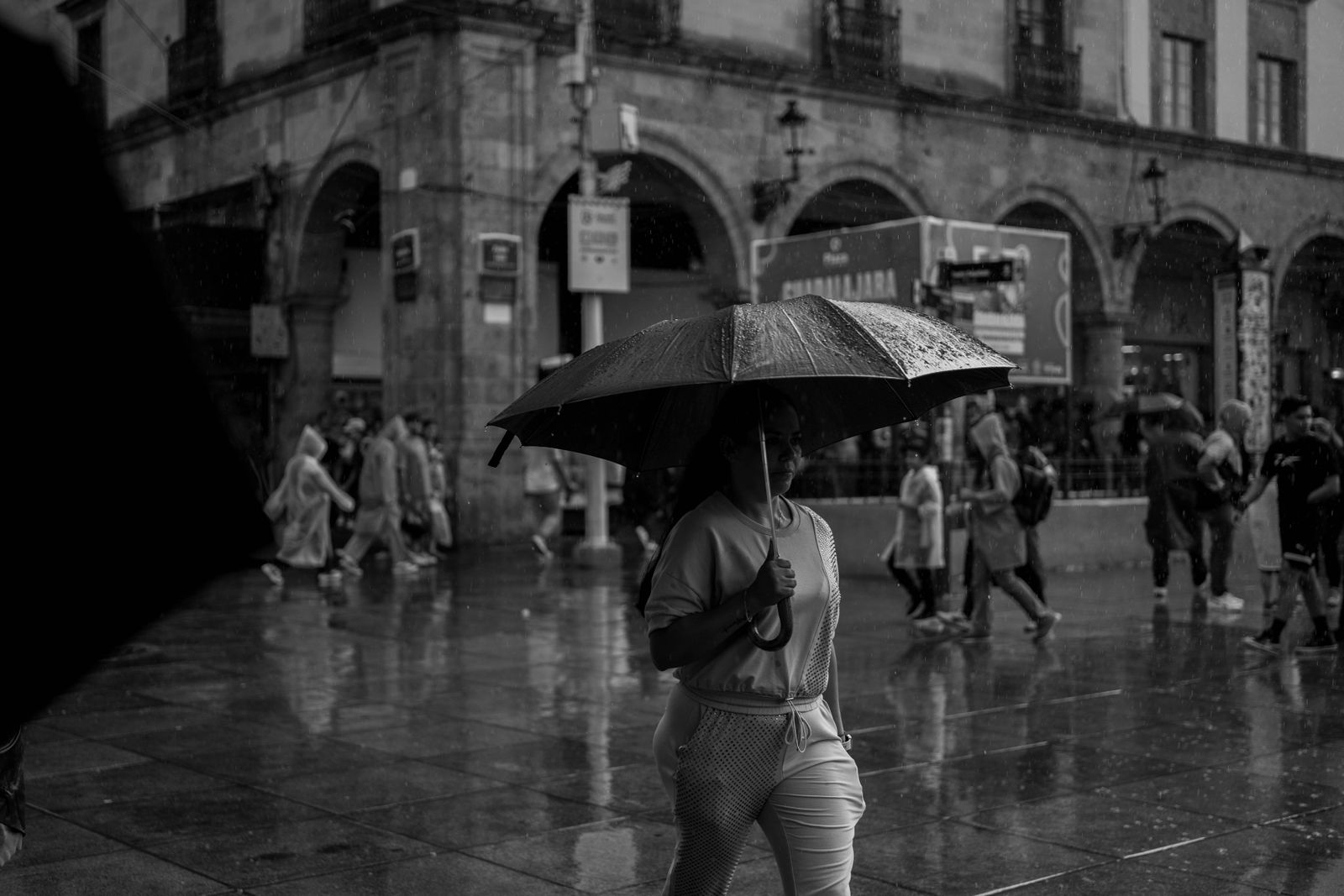
Photo by MART PRODUCTION on Pexels
It depends on which variables change. Rain and sun protection travel well across destinations; warmth does not, because a waterproof shell is a barrier rather than an insulator.
| Destination type | What you will meet | How to set the coat up | |---|---|---| | Temperate city break | Showers, wind between buildings, mild temperatures | Cinched waist, cuffs snapped, hood adjusted for wind direction | | Warm and humid coast | Short heavy downpours, high humidity, strong sun | Waist loose, cuffs open, hood up only while rain is falling | | Mountain day hiking | Fast weather changes, wind, high UV at altitude | Everything cinched at viewpoints, released on the climb | | High-sun dry region | Little rain, intense UV, hot air | Worn open and loose as a sun layer, hood for face shade | | Cool shoulder season | Persistent light rain, cold wind | Add a thin insulating layer underneath, then cinch everything | | Tropical rainy season | Daily predictable heavy rain, saturated air | Expect to feel warm, prioritize openings, accept short exposures |
The one case a shell cannot handle alone is genuine cold. There, the coat is the outer barrier and a separate insulating layer underneath does the warming — which is why the fit you buy should accommodate one thin layer without excess slack.
How do I decide whether to carry it on a given day?
Use the forecast rather than the sky at breakfast. Weather at nine in the morning tells you almost nothing about two in the afternoon.
Will a waterproof coat be unbearable in humid heat?
It will feel warm, and that is manageable rather than unbearable. In saturated air, no fabric can move much vapor outward, because there is nowhere drier for the moisture to go. Comfort in those conditions comes from openings and pace, not from fabric claims.
A breathable mesh lining helps in a specific, physical way: it holds the shell slightly off your skin so damp fabric is not in direct contact and air has room to sit. Combine that with released cuffs, a loosened waist, and a hood you drop the moment the rain eases, and warm-rain wear becomes a series of short, tolerable exposures. Our humid rainy day guide goes through the sequence in detail.
Can I wear it on a plane, and how does it travel?
A long coat is genuinely useful in transit. It works as a blanket substitute in a cold cabin, its zippered pockets keep a passport and phone reachable without opening a bag, and worn or carried it does not count against a carry-on allowance. The packable design also means it can disappear into a personal item when you board.
Two practical notes. Take everything out of the pockets before security so you are not unpacking a coat at the belt, and avoid leaving it compressed in its own pocket for the entire trip — creasing along the same lines for weeks is harder on the fabric than a few days is. Our packing guide covers how it fits alongside the rest of a bag.
What about drying it in a hotel room?

Hang it, open, on a wide hanger with the hood free and the cuffs unsnapped, ideally near moving air rather than a heat source. Radiators, heater vents, and hair dryers concentrate heat in one place, which is the main risk to sealed seams and coated fabric.
A waterproof shell has a real advantage here: because the outer material does not absorb much water, it needs to shed surface droplets rather than dry through. Wipe it down with a towel first and most of the work is done. Compare that with a soaked cotton jacket, which can still be damp two days later.
Is it enough on its own, or do I need layers?
Think of the coat as the weather barrier and everything underneath as the temperature control. The barrier stays the same in every climate; what you put beneath it changes.
- Warm and wet: one thin, quick-drying layer. Avoid cotton, which holds water and stays clammy for hours.
- Mild: a long-sleeve layer or a light knit, with the coat cinched for wind.
- Cool: a thin insulating mid-layer, sized so the coat still closes comfortably.
- Hot and sunny: the coat worn open and loose over a light top, acting as a sun layer rather than a rain layer.
- In every case: keep the layer count low. Each additional layer is another pocket of air to heat and another barrier for moisture to cross.
FAQ
Does a hood replace a hat? For rain, yes, and an adjustable drawstring hood beats a hat in wind because it can be tightened rather than blown off. For all-day sun on your face, a brimmed hat still shades better, and the two work together well.
How many days of a trip does a rain jacket earn its space? On a week-long trip, two showery days is enough to justify it, and a UPF-rated coat adds value on the sunny days too, which changes the arithmetic entirely. Reviews of that dual role are covered in our lightweight hooded raincoat travel review.
Should the coat be worn open or closed in light drizzle? Closed at the cuffs and hood, open or loose at the waist. That configuration keeps water out of the openings while letting warm air escape from the bottom of the coat, which is where most warm-weather discomfort accumulates.
Is a longer coat harder to travel with? Not once it packs into its own pocket. Length adds coverage over the thighs and boot tops with very little penalty in a bag, and the coverage is what you feel in a queue or on a windy platform. Our travel overview of the coat covers the trade-offs.
A practical next step
Before your next trip, look up both the rain probability and the UV index for your destination across the whole week, not just the daily highs. If either one is significant on more than a couple of days, plan on carrying the coat every day rather than deciding each morning. Removing that daily decision is the single change that stops a good jacket from sitting unused in a hotel room.
Cover photo by Alejandro JV on Pexels.