How to Pack for Rain and Sun Travel: 1-Jacket Microclimate Guide
Apply the 1-Jacket Rule: pack a single technical outer layer engineered with dual protection—a minimum 10,000mm hydrostatic head waterproof rating with fully sealed seams and a UPF 50+ sun rating blocking 98% of harmful UV rays. Keeping total garment weight under 15 ounces cuts total luggage outerwear volume by 66% while providing complete protection against torrential downpours, intense high-altitude UV exposure, and humid urban environments.
Essential Packing Strategy Highlights
- 66% Space Reduction: Replacing separate rain jackets, windbreakers, and UV shirts with 1 dual-rated trench frees up 4 to 6 liters of carry-on volume.
- 98% UV Defense: UPF 50+ physical fabric weaves protect against UVA/UVB rays without relying on chemical sunscreens that wash off in rain.
- 10,000mm Waterproof Threshold: Sealed seams and DWR-treated outer shells prevent moisture ingress during sustained downpours while maintaining a sleek silhouette.
- Zero Overheating: Breathable internal mesh lining and adjustable snap cuffs allow mechanical air circulation during high-humidity tropical rainstorms.
- Town-to-Trail Versatility: A cinchable waist and tailored cut transition instantly from backcountry hikes to upscale urban dinners.
Technical Outerwear Performance Requirements Matrix
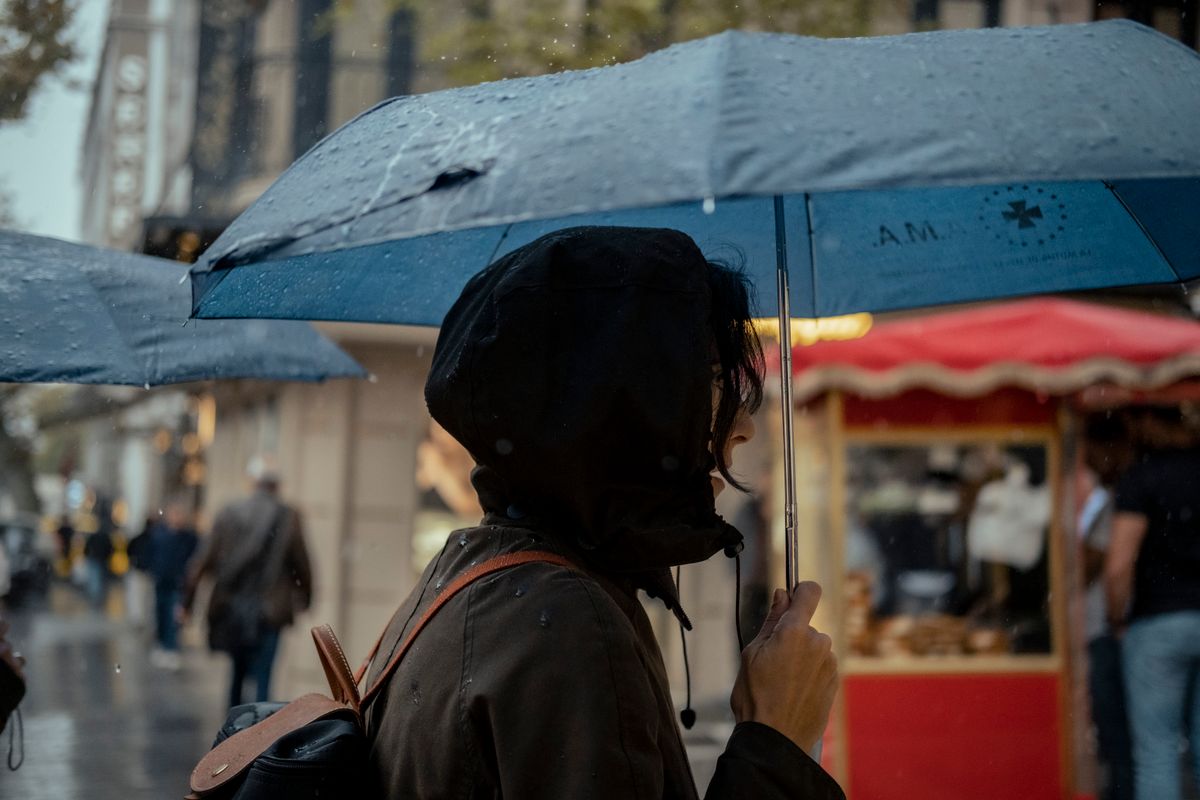
Photo by Zeynep Sude Emek on Pexels
| Technical Parameter | Minimum Travel Standard | Waterproof Hooded Trench Coat Spec | Performance Advantage |
| --- | --- | --- | --- |
| UV Protection Factor | UPF 30+ (96.7% block) | UPF 50+ (98% UV blockage) | Blocks 98% of UVA/UVB rays, eliminating mid-day solar radiation heat burn on trails. |
| Waterproof Rating | 5,000mm Hydrostatic Head | 10,000mm Fully Sealed Seams | Withstands heavy rain pressure and shoulder strap abrasion without water penetration. |
| Breathability Index | 3,000 g/m²/24hr | 5,000+ g/m²/24hr + Mesh Lining | Evaporates active body sweat rapidly during high-humidity urban or outdoor hiking. |
| Garment Pack Weight | Under 22 oz (623g) | 14.5 oz (411g) Packable | Folds into its own integrated storage pocket to minimize carry-on luggage heft. |
| Storage & Security | 1 Open Pocket | 2 Deep Zippered Pockets | Keeps passports, large smartphones, and travel maps 100% dry and pickpocket-secure. |
Compare the baseline performance metrics required for unpredictable multi-climate travel against traditional single-purpose outerwear.
Town-to-Trail 1-Jacket Layering Blueprint
This schematic illustrates how a single UPF 50+ waterproof trench coat integrates with base and mid-layers across three distinct microclimate scenarios.
Variable Weather Itinerary Decision Tree
- Is the UV Index forecast above 6 with rain probability under 20%? → Yes: Wear sleeveless or short-sleeve moisture-wicking base layer. Uncinch cuffs, wear trench open or loosely zipped for max airflow with full UPF 50+ sleeve coverage.. No: Proceed to precipitation assessment.
- Is precipitation expected to exceed 50% with ambient temperature above 70°F? → Yes: Deploy hood with drawstring tightened. Cinch waist inner elastic slightly to maintain structure. Ensure internal mesh lining rests directly over a lightweight synthetic base layer.. No: Proceed to cold rain assessment.
- Is precipitation expected with temperatures below 60°F and wind gusts over 15 mph? → Yes: Add a thin merino wool or lightweight fleece mid-layer. Fully zip front closure, snap cuffs down tight to seal out wind, and cinch hood over a brimmed travel hat.. No: Keep coat stowed in its self-packing pocket inside your daypack for rapid deployment.
The Universal Microclimate Packing Checklist
- 1 UPF 50+ Waterproof Hooded Trench Coat (Packable)
- 2 Moisture-wicking base layers (Merino wool or synthetic)
- 1 Lightweight fleece or mid-layer sweater
- 1 Pair quick-dry travel pants (stretchy, water-resistant)
- 1 Pair breathable walking/trail sneakers
- 1 Compact packable daypack with waterproof lining
Pro Tip: Managing Tropical Humidity and UV Exposure
When hiking in high-humidity tropical rain environments (such as Costa Rica or Hawaii), do not zip your outer shell completely to the chin unless wind demands it. Instead, zip the coat halfway, cinch the drawcord waist to lift fabric off your lower torso, and loosen the snap-button cuffs to create a chimney effect. The internal breathable mesh lining prevents the waterproof membrane from sticking to your skin, allowing heat to escape through open sleeve vents while the outer shell deflects direct 90-degree overhead downpours and blocks intense tropical solar radiation.
Next Steps for Your Travel Setup
Your decision: Transition to a single dual-rated UPF 50+ waterproof trench coat for all upcoming microclimate trips.
Do this next: Audit your luggage to replace bulky traditional rain jackets and standalone UV shirts with one multi-functional layer.
- Read next: How to Fold, Pack, and Maintain Your Waterproof Trench Coat on the Road
- Read next: How to Pack a Minimalist Carry-On Capsule Wardrobe for All-Weather Travel
Waterproof Hooded Trench Coat in Packable Storage Pouch
Transition your travel gear to a unified, dual-protection system to save space and simplify daily planning.
Choosing the Right Single-Layer Travel Setup
To optimize carry-on space, select a single outer layer that combines sealed-seam waterproofing with UPF 50+ UV blocking and under-15oz packability.
Best choice for
- UPF 50+ Packable Waterproof Trench Coat — Offers tailored city aesthetics while providing trail-ready rain protection and high UV blocking.
- Self-packing dual-protection shell — Eliminates the need to carry both a bulky rain slicker and a separate sun shirt.
- You are participating in extreme high-alpine mountaineering requiring 3-layer GORE-TEX Pro systems.
- You are traveling exclusively to sub-zero polar environments without sun exposure.
- Ultralight Running Windbreaker — Good for high output but lacks full rain waterproofing and extended coverage.
- Heavy Technical Hiking Shell — Provides extreme weather defense but lacks urban versatility and sun-breathability.
Recommended Solution: Waterproof Hooded Trench Coat
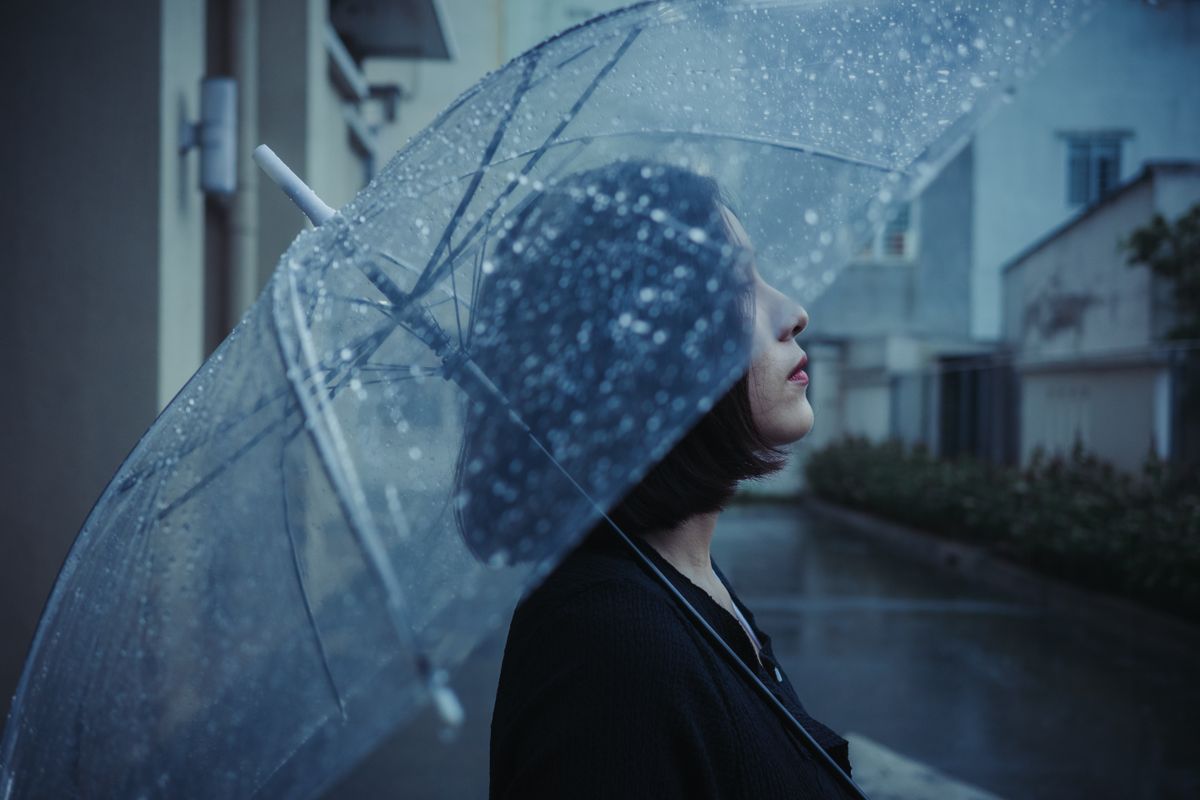
Engineered for the traveler who refuses to let unpredictable forecasts dictate their schedule. This versatile coat delivers technical weather resistance without sacrificing tailored style.
The Physics of Microclimate Defense: UV Blocking Meets Hydrostatic Head
Packing for destinations with volatile microclimates—such as the Pacific Northwest, the Scottish Highlands, or Japan's coastal cities—historically required carrying three distinct outer garments: a heavy rain shell, a lightweight sun shirt, and a tailored jacket for city dining. Advances in textile engineering have rendered this triple-layer burden obsolete.
A dual-rated outerwear piece relies on a tightly woven synthetic face fabric treated with a Durable Water Repellent (DWR) finish backed by a microporous waterproof membrane. The physical weave density required to achieve a UPF 50+ rating naturally creates a barrier against direct high-frequency ultraviolet radiation (wavelengths 290–400 nm). When combined with micro-sealed seam taping, liquid water droplets (typically 100 to 3,000 microns in diameter) are completely blocked from penetrating the shell, even under a 10,000mm water column test.
Simultaneously, microscopic pores within the internal membrane remain large enough (approximately 0.2 microns) to allow vaporized sweat molecules (0.0004 microns) to escape outward. When paired with an internal hanging mesh lining, the garment maintains air separation between your skin and the waterproof membrane, preventing condensation build-up in high-humidity microclimates.
``` +-------------------------------------------------------------------------+ | OUTDOOR ATMOSPHERIC EXPOSURE | | [ Sunlight / UVA & UVB ] [ Downpours / Rain Drops ] | +-------------------------------------------------------------------------+ | | | | | V V V V V +-------------------------------------------------------------------------+ | OUTERSHELL: UPF 50+ High-Density DWR Fabric (Blocks 98% UV & Liquid Water)| +-------------------------------------------------------------------------+ | INTERNAL MEMBRANE: Microporous Barrier (Water Ingress Blocked / Vapor Escapes)| +-------------------------------------------------------------------------+ | LINING: Breathable Air Mesh (Prevents Skin Cling / Circulates Airflow) | +-------------------------------------------------------------------------+ ^ ^ ^ ^ ^ | | | | | +-------------------------------------------------------------------------+ | BODY HEAT & SWEAT VAPOR | +-------------------------------------------------------------------------+ ```
Field Itinerary Example: The 14-Day Town-to-Trail Capsule Strategy
When navigating a multi-region trip with fluctuating terrain and weather, garment adaptiveness determines packing success:
Scenario Matrix: Single Technical Outerwear vs. Multi-Jacket Systems
| Travel Scenario | Multi-Coat System (3 Jackets) | Single UPF 50+ Rain Trench | Standard Poncho + Sun Shirt |
| --- | --- | --- | --- |
| Tropical Rainstorm in Kyoto (85°F, 90% Humidity) | Heavy and sweltering; traps internal body sweat rapidly. | Mesh lining maintains airflow; cinch waist lifts fabric off skin. | Provides poor coverage in wind; tears easily along seam edges. |
| High Altitude Trail Hike (60°F, UV Index 10) | Requires carrying a separate sun shirt and wind breaker. | UPF 50+ shell blocks 98% UV; windproof shell keeps chill off core. | Sun shirt lacks wind resistance; poncho flaps dangerously in gusts. |
| Urban Evening Rain in London (52°F, Steady Drizzle) | Bulky technical shell looks out of place in refined dining venues. | Tailored silhouette and cinched waist present a polished aesthetic. | Lacks structure and style; completely unsuited for urban venues. |
| Carry-On Luggage Efficiency (40L Carry-On Bag) | Consumes 8 to 10 Liters of volume and weighs over 3.5 lbs. | Consumes under 2.5 Liters (stows in pocket) and weighs 14.5 oz. | Low volume, but offers zero durability or wind insulation. |
Evaluate how different outerwear configurations perform across real-world travel conditions.
Frequent Packing Mistakes in Microclimate Travel
Avoid these critical errors when selecting and packing weatherwear for variable climate itineraries.
Related Outerwear & Packing Guides
- How to Pack Light for Unpredictable Weather Strategy Guide for Sightseers
- Fitted vs Boxy Rain Jacket: Travel Outerwear Silhouette Guide
- The Ultimate City-to-Trail Outerwear Buying Guide: Sun, Rain, and Style on the Move
Frequently Asked Questions
Clear answers to essential questions regarding dual-protection rain and sun outerwear.
Take Action: Upgrade Your Travel Outerwear
Your decision: Invest in a versatile technical trench coat that replaces multiple single-purpose layers.
Do this next: Select your preferred size and color in the Waterproof Hooded Trench Coat to streamline your travel wardrobe.
- Read next: Minimalist Carry-On Capsule Wardrobe Guide
Waterproof Hooded Trench Coat at waterprooftrenchcoat.com
Ready to streamline your luggage and prepare for any weather forecast? Upgrade to a packable, dual-rated trench coat before your next trip.
Cover photo by cottonbro studio on Pexels.