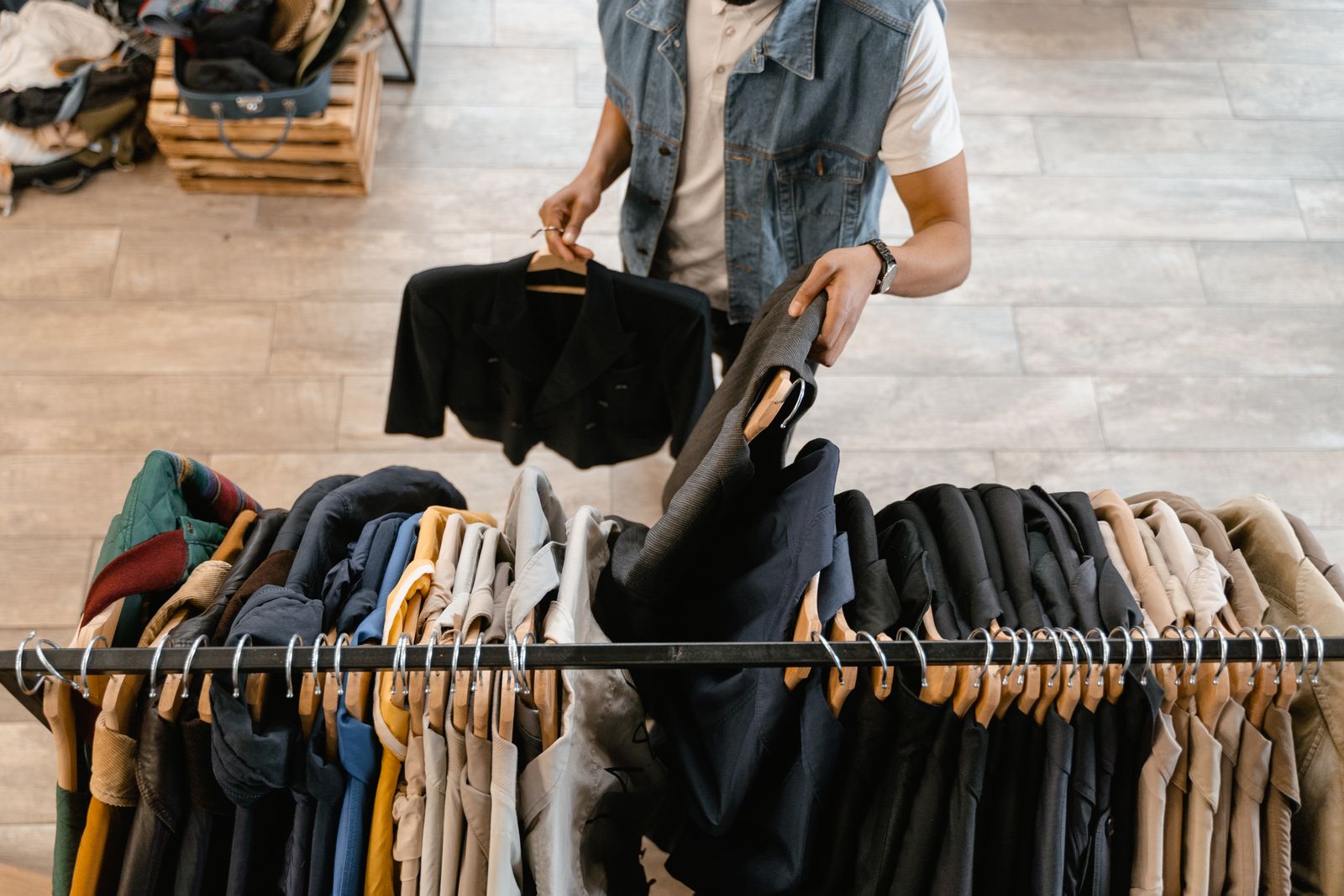
Fitted vs Boxy Rain Jacket: Travel Outerwear Silhouette Guide
Should you buy a fitted or boxy rain jacket for multi-climate travel? Choosing between a rigid fitted coat and an oversized boxy shell forces an unnecessary trade-off between mobility and aesthetics. Boxy shells fit bulky fleece mid-layers but trap excess air, scoop wind updrafts, and consume precious carry-on luggage volume. Fitted jackets look sleek for city walking but restrict shoulder mobility when layered over sweaters. An adjustable cinch-waist trench coat delivers the ultimate hybrid solution: a tailored silhouette on demand with full layering room when weather turns cold.
Silhouette Comparison Matrix by Travel Scenario
| Travel Scenario | Fitted Rain Jacket | Boxy Alpine Shell | Cinchable Waist Trench Coat |
| --- | --- | --- | --- |
| | | | |
| | | | |
| | | | |
| | | | |
| | | | |
Evaluating how different outerwear cuts perform across real-world travel conditions helps eliminate wardrobe frustration before your trip begins.
Trade-Off Analysis: Fitted vs. Boxy Outerwear Cuts

Photo by Paul Reicherdt on Pexels
Understanding the structural flaws and strengths of rigid silhouettes reveals why static cuts often fail multi-destination travelers.
The Best of Both Worlds: Cinchable Waist Waterproof Trench Coat
Why force yourself to choose between a boxy mountain coat and an uncompromising tight jacket? The Waterproof Hooded Trench Coat solves the silhouette dilemma by combining technical storm protection with convertible tailoring.
- UPF 50+ Sun Protection: Blocks 98% of harmful UV rays during high-altitude or tropical travel.
- 100% Waterproof & Sealed Seams: Fully taped seams keep heavy downpours from penetrating stitch lines.
- Breathable Mesh Lining: Prevents fabric from clinging to skin during humid rain events.
- Internal Cinchable Waist: Seamlessly transform your fit from a relaxed, fleece-friendly layer to a styled, waist-defining trench in seconds.
- Self-Packing Design: Folds down into its own deep pocket for effortless carry-on storage.
Top Silhouette Sizing Failures Travelers Make
Most outerwear mistakes happen during packing or purchasing when travelers evaluate jackets based on indoor shirt sizing rather than real-world weather dynamics.
Outerwear Silhouette Selection Flowchart
- Will your travel destination temperatures dip below 45°F, requiring thick wool or down mid-layers? → Yes: Go to Question 2. No: Go to Question 3
- Do you want waist definition and a sleek look for city photos without carrying multiple coats? → Yes: Choose Cinchable Waist Trench Coat (Provides 3-4" ease when opened, tailored look when cinched). No: Choose Boxy Alpine Shell (Maximum room for heavy puffer coats, technical mountain focus)
- Are you packing strictly in a single carry-on bag for multi-week travel? → Yes: Choose Cinchable Waist Trench Coat (Ultra-packable, self-stowing, mid-thigh rain and UPF 50+ coverage). No: Choose Fitted Rain Jacket (Sleek for mild city weather, but limited to thin base layers)
Key Fit & Silhouette Takeaways
- Layering Math: Ensure a minimum of 3 to 4 inches of chest ease over your body measurements to layer mid-weight fleeces without armpit binding.
- Draft Sealing: Open boxy hems allow cold air updrafts; internal drawstrings trap body heat without adding outer bulk.
- Thigh Coverage: Mid-thigh trench coats protect upper legs from rain runoff, outperforming hip-length jackets in heavy downpours.
- Dual-Weather Versatility: Choose UPF 50+ fabric with a breathable mesh lining so your coat handles humid tropical downpours as effectively as windy mountain trails.
- Luggage Efficiency: Self-packing cinchable trench coats compress to under 1 liter of volume, freeing up carry-on suitcase space.
Technical Specification Matrix: Fabric Ease, Packing Volume & Coverage
| Technical Metric | Fitted Shell | Boxy Alpine Shell | Waterproof Hooded Trench Coat |
| --- | --- | --- | --- |
| | | | |
| | | | |
| | | | |
| | | | |
| | | | |
| | | | |
A side-by-side engineering comparison of garment measurements, packed weight, and storm resistance metrics.
Silhouette Choice Helper by Travel Profile
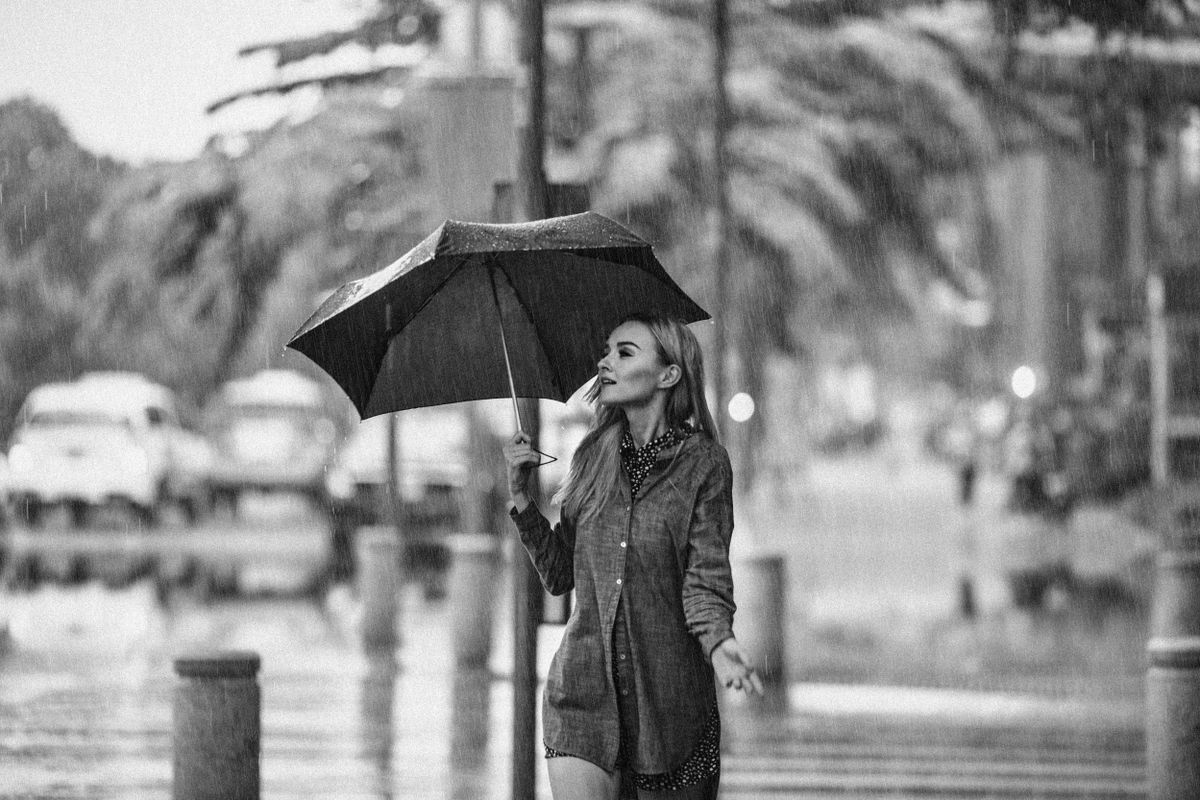
While fitted jackets work for quick warm-weather city breaks and boxy shells suit high-altitude winter ascents, an adjustable cinch-waist trench coat delivers the highest overall utility for multi-climate, carry-on travelers.
Best choice for
- Cinchable Waist Waterproof Trench Coat — Allows instant transition between casual trail comfort and polished urban style via an internal waist drawstring.
- Boxy Alpine Shell — Oversized chest and arm circumferences prevent heavy down loft from being compressed.
- Fitted Rain Jacket — Provides a clean profile when layering over thin t-shirts or light blouses is guaranteed.
- Avoid rigid fitted rain coats if your itinerary includes temperatures below 50°F where mid-weight sweaters are necessary.
- Avoid wide, uncinched boxy jackets for windy coastal destinations where updrafts freeze your core.
- Internal Drawstring Trench Coat — Replaces bulky external belts with a hidden cinch cord, providing hourglass waist definition without adding exterior fabric bulk.
Featured Solution: Waterproof Hooded Trench Coat
Engineered for the traveler who refuses to let bad weather dictate her plans. This versatile coat combines serious sun and rain protection with a sleek, customizable silhouette.
Real-World Travel Case Studies
Rainy Autumn Walking Tour in Edinburgh & London — Wear a cinchable waist waterproof trench coat over a mid-weight wool sweater. Loosen the interior drawstrings during afternoon walks for total arm freedom, then cinch the waist tight for evening dining photos to create a sharp, tailored look while keeping rainwater off your thighs.
Pacific Northwest Coastal Trail Hiking & Forest Walks — Opt for a mid-thigh cinchable trench coat with sealed seams. The extended length keeps wet brush from soaking your trousers, while the breathable mesh lining prevents sweat buildup on steep uphill trail sections.
Tropical Rainstorm & High-UV Island Hopping in Southeast Asia — Deploy a packable UPF 50+ trench coat. The lightweight shell guards against intense UV exposure between sudden downpours, while the breathable mesh lining keeps humid air circulating so fabric never clings to wet skin.
See how silhouette selection impacts real travelers across diverse climates and travel scenarios.
When comparing rain jacket silhouettes, garment performance boils down to pattern geometry and fabric physics. Understanding how chest ease, seam sealing, and length interact allows you to pick outerwear that performs flawlessly regardless of the weather forecasts.
The Math of Garment Chest Ease
Garment ease is the extra room built into a coat beyond your natural body measurements. A standard fitted rain jacket typically provides only 1 to 2 inches of ease over the bust. While this creates a crisp mirror reflection over a base layer t-shirt, it severely limits mobility once you add a fleece or merino wool sweater. When you raise your arms or reach for a backpack strap, tight shoulder seams pull across the upper back, placing strain on waterproof seam tape.To ensure complete freedom of movement without feeling swallowed by fabric, aim for 3 to 4 inches of allowance over your chest measurement. An internal waist drawstring coat provides this exact dimensional balance: the upper body retains 3 to 4 inches of layering room, while the cinched waist draws excess torso fabric inward to preserve your natural body proportions.
Drape Mechanics and Wind Draft Sealing
Boxy rain shells rely on a straight vertical cut from armpit to hem. While this simple construction accommodates heavy puffer jackets, it creates a wide structural gap at the bottom opening. In coastal cities or mountainous terrain, wind strikes the lower body and drafts directly upward into the garment cavity. This chimney effect strips away radiant body heat, forcing your core to work twice as hard to stay warm.By contrast, a trench coat with an internal cinch drawstring acts as a wind gasket. By securing the waist and adjusting the snap-button cuffs, you isolate your core microclimate from severe gusts while allowing rainwater to slide harmlessly past your mid-thighs.
Sun Protection and Fabric Ventilation
Travel weather is rarely just rain—it frequently cycles between torrential downpours and intense, high-altitude sunlight. Standard technical rain shells neglect UV filtration, leaving skin exposed to intense solar radiation during clearing skies. Selecting outerwear rated UPF 50+ guarantees that 98% of harmful UVA and UVB rays are physically blocked by the fabric weave. Paired with a moisture-wicking mesh interior lining, heat and vapor escape freely, keeping you cool, dry, and protected across every travel scenario.Frequently Asked Questions About Rain Jacket Silhouettes
How many inches of ease do I need in the chest and shoulders to layer a sweater under a fitted trench?
A minimum allowance of 3 to 4 inches over your natural chest measurement is recommended for layering mid-weight fleeces or wool sweaters. This extra room ensures your shoulder seams will not bind or pull tight across your upper back during arm extension.
Can an internal drawstring waist give a boxy jacket a fitted look without adding fabric bulk?
Yes. An internal drawstring waist pulls excess fabric inward at the narrowest part of your torso on demand. This creates a tailored hourglass silhouette for photos while leaving chest and shoulder areas open for unrestricted mobility.
How does jacket length (hip vs. mid-thigh trench) affect protection during heavy downpours?
A mid-thigh trench coat length extends weather protection past your hips, directing rainwater runoff down past your knees. Hip-length rain shells dump water straight onto your upper thighs, saturating pants within minutes of walking in downpours.
Expert answers to common fit, layering, and weather protection questions.
How to Finalize Your Travel Outerwear Fit
Your decision: Choose an adjustable cinch-waist waterproof trench coat if your travel itinerary spans both cold trails and urban streets.
Do this next: Measure your bust circumference while wearing your thickest planned mid-layer sweater to confirm you have 3 to 4 inches of chest ease before selecting your coat size.
Related resource: Ultimate City-to-Trail Outerwear Buying GuideWaterproof Hooded Trench Coat (UPF 50+, Packable, Cinch Waist)
Take these concrete steps before booking your next trip to ensure your outerwear delivers flawless weather protection and comfort.
Related Outerwear Styling & Packing Guides
Provide internal link paths to related guides.
Cover photo by MART PRODUCTION on Pexels.