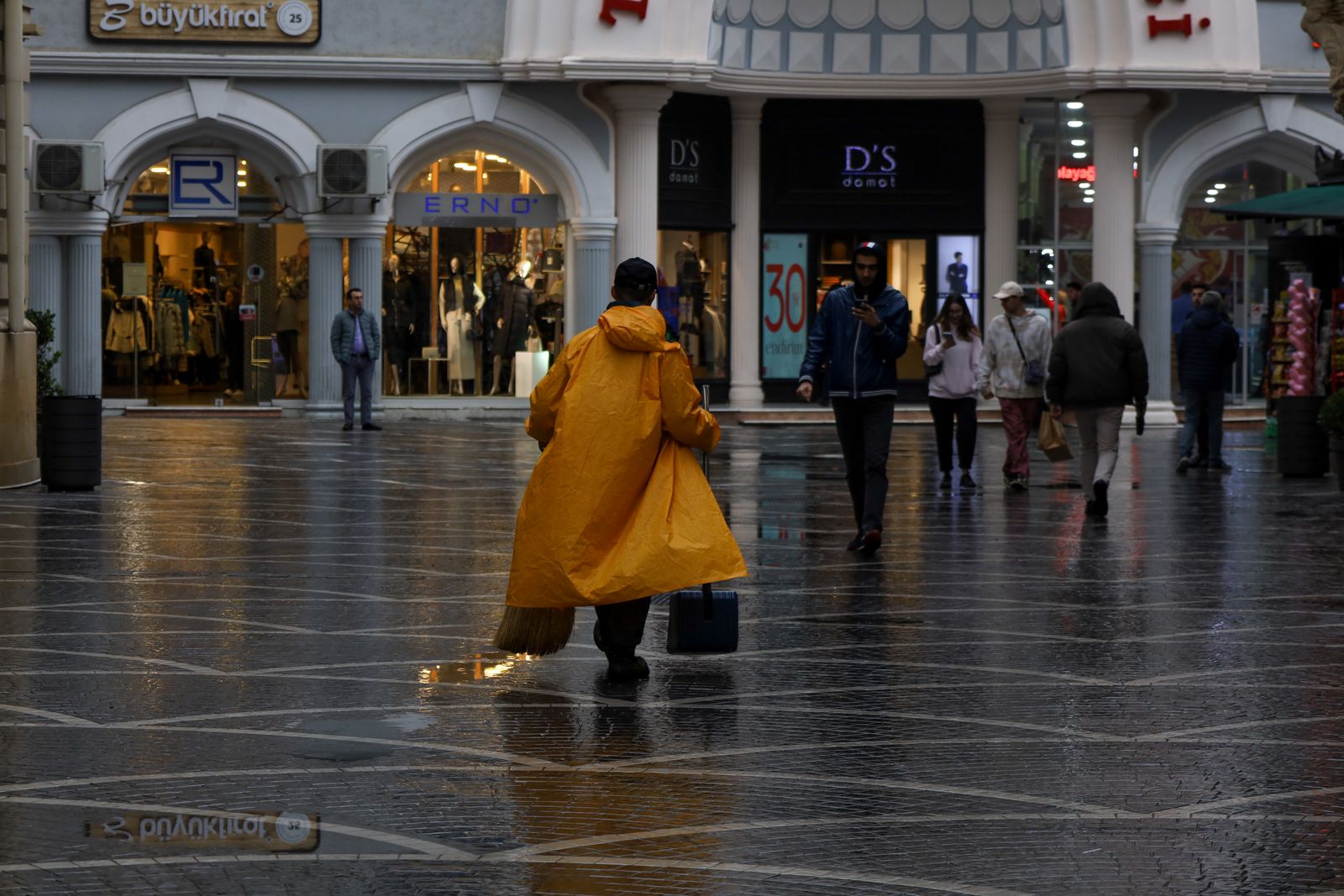
How to Pack Light for Unpredictable Weather Strategy Guide for Sightseers
Packing light for unpredictable weather works when you stop packing for scenarios and start packing a system: a small number of thin layers that combine, plus one outer shell that handles both rain and sun. The mistake that fills a suitcase is bringing a separate garment for each forecast — a raincoat, a sun layer, a warm jacket, a nice coat for dinner. Replace those four with one adaptable shell and two thin layers, and the bag gets smaller while the coverage gets wider.
Why does packing for weather go wrong?
Because most people pack against fear rather than against probability. A forecast showing a chance of rain, a cool evening, and a warm afternoon produces three separate purchases in a suitcase, each used once.
The underlying error is treating outerwear as single-purpose. A cotton trench looks good and fails in rain. A technical hardshell handles rain and looks wrong at dinner. A sun shirt does one job. Each garment is defensible on its own, and together they consume most of a carry-on.
The fix is to identify which garments genuinely stack. Thin layers stack; bulky ones do not. One shell that adjusts covers more forecast range than two that do not.
The layering system that covers the widest range
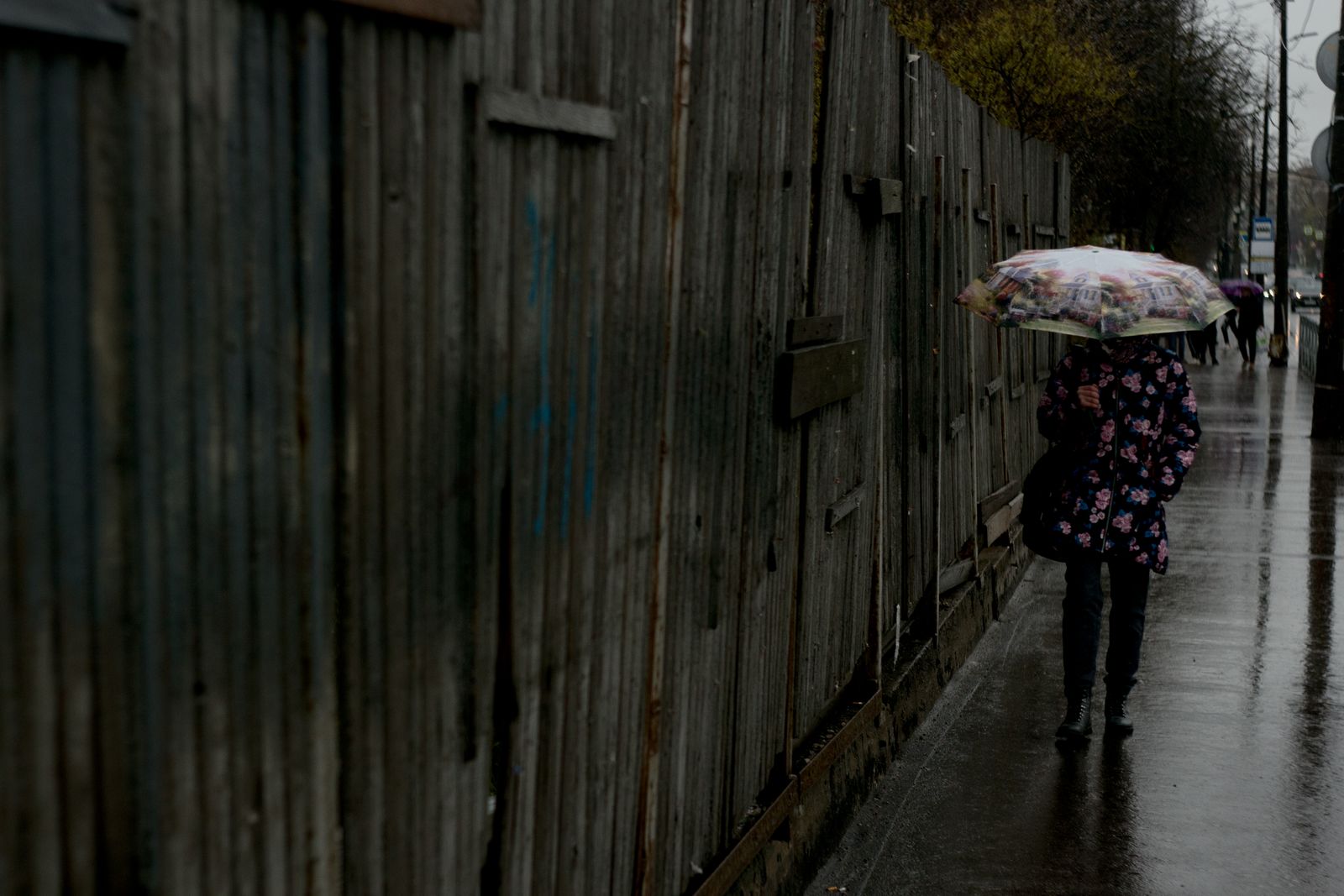
Photo by Plato Terentev on Pexels
Think in three positions rather than in outfits.
Two thin layers under one adjustable shell covers roughly the range from a warm humid afternoon to a cold windy evening. Adding a third mid-layer extends that range very little while adding real bulk.
Why one shell can replace several garments
A shell earns its place through adjustability, not through fabric alone. Openings you can open and close change the garment's effective temperature range far more than the material specification does.
The Waterproof Hooded Trench Coat is a useful illustration of what to look for in this role. It has a fully waterproof outer shell with sealed seams and an adjustable drawstring hood for rain, a breathable mesh lining and snap-button cuffs that open for warm-weather airflow, a cinchable waist that turns it from a loose shell into a coat with a silhouette for dinner, UPF 50+ fabric that blocks 98% of harmful UV rays for the bright half of the day, and it folds into its own pocket when it is not needed. Each of those replaces a garment somebody else is carrying separately.
Two deep zippered pockets matter more than they sound. On a sightseeing day, a shell with secure pockets means you can leave a bag in the room, which reduces what you carry more than any packing technique.
What to pack for a week of unpredictable weather
| Item | Quantity | Job | |---|---|---| | Waterproof shell with sun protection | 1 | Rain, wind, UV, dinner presentability | | Fine-gauge sweater or thin fleece | 1 | Cool mornings and evenings | | Thin non-cotton tops | 3 | Base layer rotation | | Trousers or jeans that dry reasonably | 1 pair worn, 1 packed | Daily wear | | Dress or skirt, packable fabric | 1 optional | Evenings without a second outfit | | Water-resistant low boots | 1 pair worn | Damp paths and city streets | | Lightweight second shoes | 1 pair | Rotation while the first dries | | Thin scarf | 1 | Warmth, sun cover, dressing up a plain outfit | | Quick-dry underwear and socks | 4 sets | Washable in a sink |
That list fits a carry-on with room left over, and it handles rain, sun, wind, and a cool evening without a dedicated garment for each.
The packing method, step by step
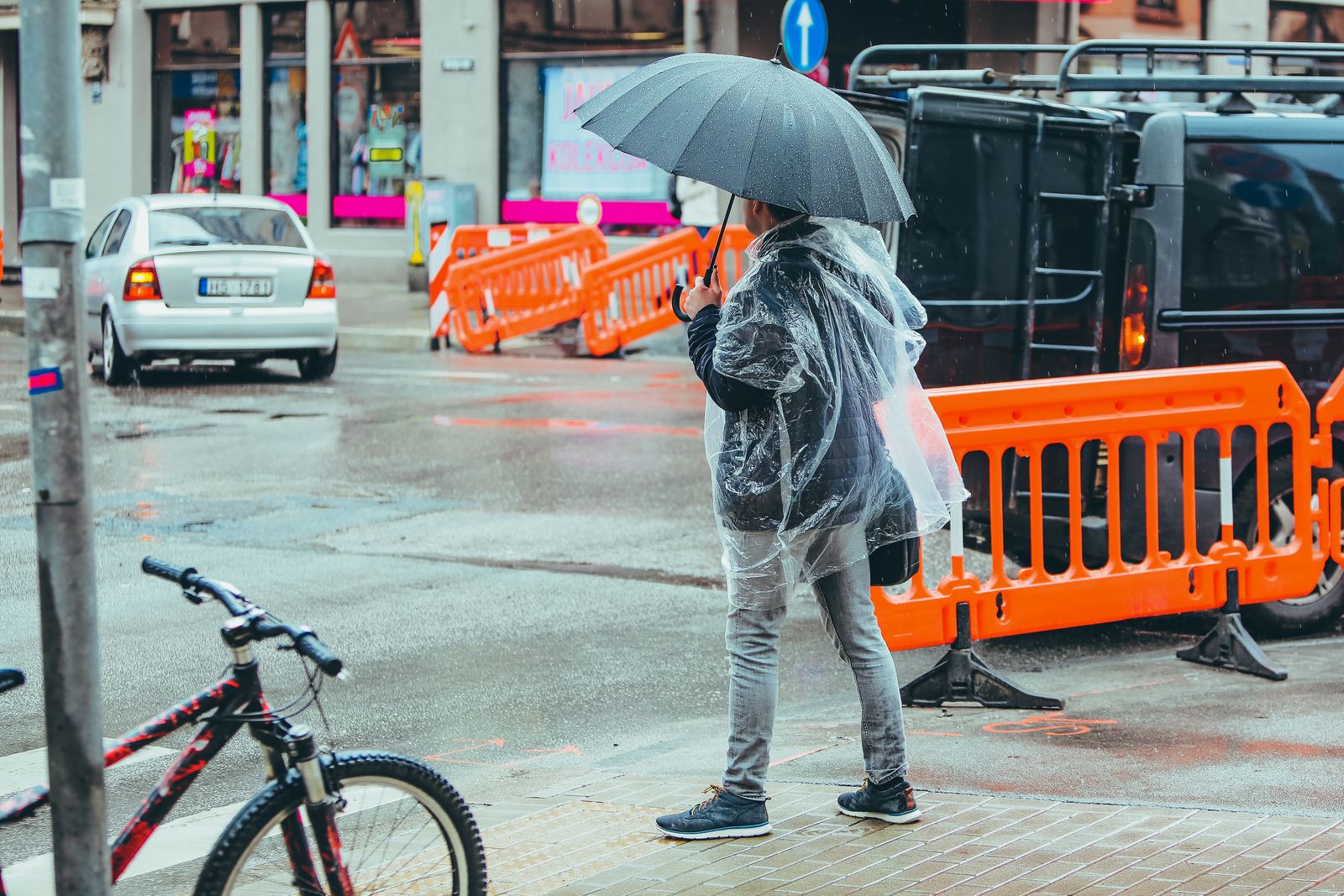
Photo by Vlad Fonsark on Pexels
More detail on the shell-specific part of this process is in this travel-friendly hooded raincoat packing guide.
How do you handle a day that changes three times?
The shell handles it if you use its adjustments deliberately rather than putting it on and leaving it.
- Warm and dry: shell packed away in its own pocket, base layer only.
- Bright and hot: shell on, cuffs open, waist loose, hood down. The UPF-rated fabric is doing the work while the openings keep you cool.
- Rain starting: hood up and tightened, cuffs snapped, waist cinched to keep wind-driven water out.
- Cool evening: sweater added under the shell, waist cinched for shape, cuffs closed.
- Walking hard uphill: waist released, cuffs open, sleeves pushed up. Ventilate before you overheat, not after.
FAQ
Is it better to pack a rain jacket or an umbrella? A jacket, for most sightseeing. An umbrella occupies a hand, fails in wind, and does nothing for cold or sun. A packable shell frees both hands, blocks wind, and adds UV protection. An umbrella is a reasonable supplement in heavy rain but a poor primary choice.
How do you keep a damp jacket from ruining everything in the bag? Shake it out, wipe the outer face with a towel, and hang it in the room rather than repacking it wet. If it must go in the bag damp, keep it in its own pocket or a separate bag and take it out at the next stop.
Is a second warm layer worth bringing? Usually not. A second mid-layer extends your temperature range only slightly and takes real space. A thin scarf plus the option of wearing two base layers under the sweater covers the same ground with far less bulk.
Does packing light mean looking under-dressed at dinner? Not if the outer layer has shape. A shell with a cinchable waist reads as a coat rather than as gear, and a thin scarf plus one packable dress or a clean pair of trousers covers most evenings. The presentable version of a travel shell is discussed in this review of a lightweight hooded raincoat for travel.
A practical next step
Before the next trip, do a dry run. Lay out the system — one shell, one warm layer, three base layers — and put together the five configurations above in your room. It takes fifteen minutes and it reveals the gap in the system before you are standing in the rain discovering it. If every configuration works, pack exactly that and nothing more.
Cover photo by Narmin Aliyeva on Pexels.