How Seam Sealing Works in Raincoats: Waterproof Seam Technology Explained
A standard tailored raincoat features 5 to 7 needle punctures per inch along every sewn seam, creating up to 3,000 microscopic entry points for liquid water. Seam sealing works by heat-bonding a flexible thermoplastic tape (polyurethane or TPU) over the stitched seam at 180°C to 220°C. Under pneumatic pressure, the melted adhesive layer encapsulates the thread and fills every needle puncture, permanently blocking capillary water entry under hydrostatic pressures exceeding 10,000 mm H2O.
Key Seam-Sealing Mechanics & Rules of Thumb
- Every stitch hole creates a capillary channel where surface tension pulls rainwater through unsealed technical fabrics.
- Heat-bonded seam tape must withstand at least 10,000 mm to 20,000 mm H2O hydrostatic head pressure to match the shell fabric's waterproof rating.
- Fully taped garments seal 100% of stitch lines (hood, shoulders, torso, sleeves), whereas critically taped garments only cover high-exposure zones like the hood and shoulders.
- Standard household laundry detergents contain surfactants that degrade polyurethane seam adhesives; tech washes preserve adhesive bonding strength.
- Exposing seam-sealed rainwear to tumble dryer heat above 60°C (140°F) risks melting the thermoplastic bond and causing premature tape delamination.
Seam Tape Specifications & Material Mechanics Matrix
| Tape Technology | Thickness (mm) | Application Temp (°C) | Hydrostatic Rating (mm H2O) | Primary Engineering Advantage |
| --- | --- | --- | --- | --- |
| 2-Layer Polyurethane (PU) Tape | 0.10 – 0.12 mm | 170°C – 190°C | > 10,000 mm | Ultra-lightweight and flexible; ideal for packable 2-layer and 2.5-layer travel jackets. |
| 3-Layer Tricot Backed Tape | 0.14 – 0.18 mm | 190°C – 210°C | > 20,000 mm | High abrasion resistance; tricot mesh backing protects tape layer from internal friction. |
| Thermoplastic Polyurethane (TPU) Film Tape | 0.08 – 0.12 mm | 180°C – 220°C | > 15,000 mm | Superior stretch recovery and elasticity; resists cracking during high-motion active outdoor use. |
| Ultrasonic Welded Bond (Tapeless) | 0.00 mm (No Tape) | 250°C – 300°C (Sonic) | > 20,000 mm | Eliminates thread entirely by fusing synthetic fibers; maximum weight reduction but requires continuous synthetic content. |
Outerwear manufacturers utilize distinct tape formulations and thicknesses depending on garment construction, layer counts, and intended weather exposure.
Anatomy of a Waterproof Seam: Cross-Sectional Breakdown
Understanding how seam tape creates a continuous physical barrier requires looking at the microscopic junction between thread, needle hole, membrane, and adhesive tape.
Pro Gear Tip: Inspecting Seam Tape Integrity Before Travel
Before departing on a trip where heavy rainfall is expected, perform a 60-second visual seam audit to ensure your coat won't leak under sustained downpours.
Turn the garment inside out under direct light and examine high-friction areas: the apex of the hood, the tops of the shoulders, and under the armpits. Look specifically for clouding (a transition from crystal-clear tape to a milky white appearance) or edge-lifting where the tape separates from the fabric membrane. If you notice localized lifting under 1 inch, you can re-adhere it at home by pressing a dry iron set to low heat (wool/silk setting, NO steam) over a cotton press cloth for 8 to 10 seconds. This re-melts the underlying polyurethane adhesive layer without damaging the outer waterproof shell.
Decision Support: Selecting Seam-Sealing Options by Use Case
Match your outerwear's seam-sealing construction to the maximum rainfall intensity and duration of your travel environment.
Best choice for
- Fully Sealed / Fully Taped Seams (PU or TPU tape) — Guarantees zero liquid entry across 100% of garment stitching, including armholes, hood, shoulders, and main zipper seams.
- Critically Taped Seams — Covers high-exposure areas (hood, shoulders) while saving weight, though vulnerable during prolonged heavy rains.
- Avoid non-taped raincoats if traveling to regions with sustained precipitation over 10 minutes, regardless of fabric waterproof rating.
- Welded / Ultrasonic Seams — Fuses synthetic fabrics using ultrasonic energy without needle punctures, ideal for ultralight minimalist shells but less flexible for tailored silhouettes.
Engineered Weatherproof Gear with Sealed Seams
For complete storm protection combined with sun defense, choose outerwear engineered with 100% fully sealed seams.
To understand why seam sealing is mandatory for high-performance rainwear, one must first analyze what happens when a sewing machine needle pierces a technical fabric. Technical waterproof raincoats utilize membrane laminates (such as polyurethane films or expanded PTFE) that carry hydrostatic resistance ratings between 10,000 mm H2O and 20,000 mm H2O. However, the moment a garment factory sews those panels together to create armholes, hoods, and pockets, sharp steel sewing needles (size 70/10 or 80/12) punch thousands of holes directly through that continuous membrane barrier.
The Physics of Needle-Hole Leaks: Capillary Action and Hydrostatic Pressure
When liquid water hits an unsealed stitched seam, physics works against the wearer through a process governed by Jurin's Law (capillary action). Water molecules exhibit strong adhesion to polyester and nylon sewing threads. Driven by surface tension, water is drawn inward through the microscopic gap between the thread strand and the wall of the needle hole.
Even if the face fabric has an immaculate Durable Water Repellent (DWR) coating that causes water droplets to bead up elsewhere, kinetic force from wind-driven rain or shoulder strap pressure from a travel backpack forces standing water right through these needle punctures. Without a secondary barrier, water will begin soaking the garment's interior lining within 3 to 5 minutes of sustained precipitation.
``` Capillary Water Penetration Pathway: [ Raindrop Impacts Outer Shell ] → [ Surface Tension Pulls Liquid Along Sewing Thread ] → [ Microscopic Needle Hole Puncture ] → [ Inner Lining Soaks Via Capillary Action ] ```
The Hot-Air Seam Sealing Process: Temperature, Pressure, and Adhesion
Seam sealing resolves this structural vulnerability by applying a specialized multi-layer tape over the raw underside of the seam line after sewing is completed. This is executed using an industrial hot-air seam sealing machine:
Material Science: PU vs. TPU Seam Tapes
Modern technical rainwear relies on two main polymer families for seam sealing:
- Polyurethane (PU) Tapes: The industry standard for traditional 2-layer and 2.5-layer light rain jackets. PU adhesives offer excellent flexibility, strong mechanical adhesion to micro-porous coatings, and low thermal bonding requirements. However, they are sensitive to long-term hydrolysis if stored wet.
- Thermoplastic Polyurethane (TPU) Tapes: Superior elastomeric tapes used in premium multi-climate travel coats and high-stretch outerwear. TPU tape possesses greater tensile strength, exceptional elastic recovery (preventing tape distortion when garments flex at elbow and shoulder joints), and higher resistance to chemical degradation from body oils and laundry surfactants.
Seam Sealing Types & Weather Performance Matrix
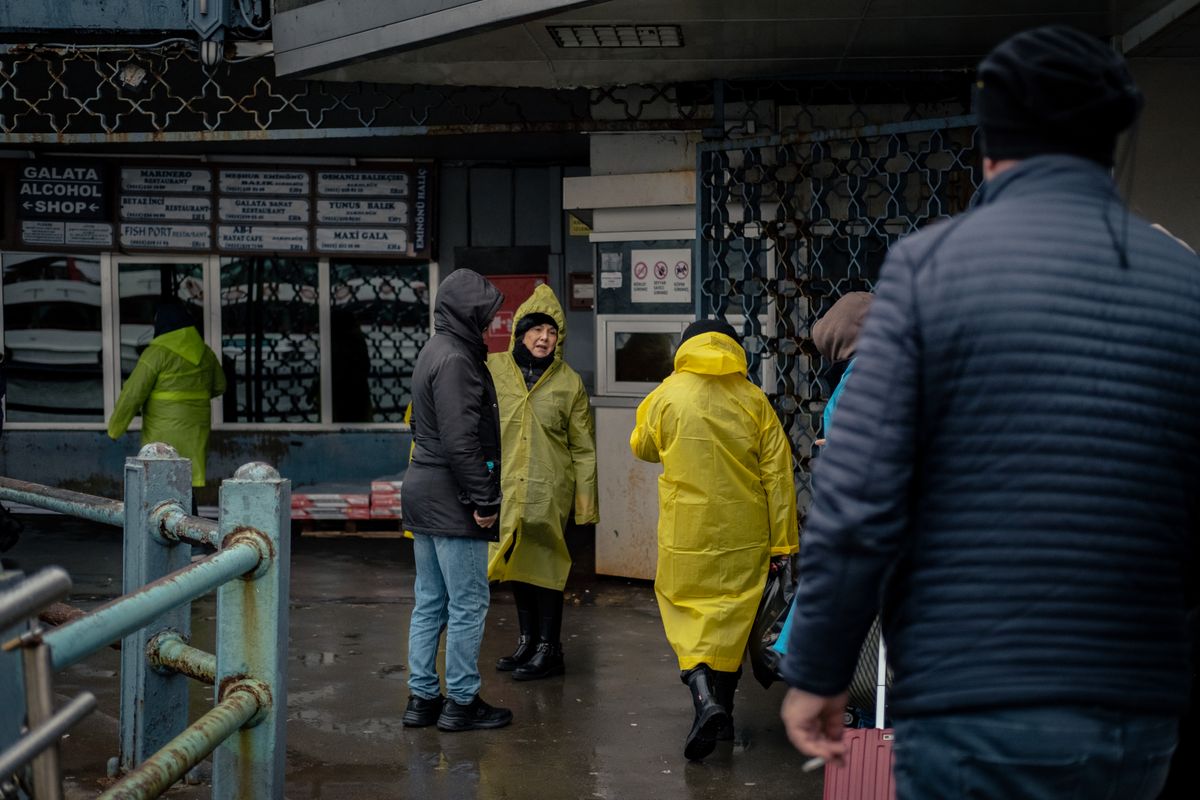
Photo by Zeynep Sude Emek on Pexels
| Weather Scenario | Rainfall Rate (mm/hr) | Untaped Seams | Critically Taped Seams | Fully Taped Seams |
| --- | --- | --- | --- | --- |
| Light Urban Drizzle | < 2.5 mm / hr | Dries slowly; water creeps through shoulder seams after 20 minutes. | Keeps interior completely dry; head and shoulder seams block light moisture. | Keeps interior completely dry; 100% barrier integrity maintained. |
| Sustained Downpour | 10 – 25 mm / hr | Fails within 3 to 5 minutes; rapid capillary soaking along chest and sleeves. | Water penetrates armpit, torso, and main pocket seams within 15 minutes. | Keeps interior completely dry; heat-sealed tape resists high liquid volume. |
| Wind-Driven Mountain Storm | > 25 mm / hr + 30mph Wind | Immediate catastrophic leakage across all stitch lines. | Severe leakage under chest and waist stitch lines forced by wind kinetic pressure. | Keeps interior dry; seals withstand dynamic pressure exceeding 15,000 mm H2O. |
| Humid Tropical Travel Rain | 15 – 30 mm / hr (Warm) | Fabric absorbs liquid water; heavy waterlogging and complete inner wet-out. | Internal condensation combines with seam leaks through unsealed side seams. | Complete external water blockade; pairs best with breathable mesh inner linings. |
Compare how different levels of seam construction perform across practical weather exposure scenarios encountered during travel and outdoor activities.
Common Seam-Care Mistakes That Ruin Waterproofing
Seam tape adhesives are resilient, but improper laundering and storage habits can break down the polymer bonds over time.
Related Outerwear Engineering & Care Guides
Expand your technical understanding of travel rainwear fabrics, sun protection ratings, and proper garment maintenance:Frequently Asked Questions About Seam Sealing
What is the difference between fully taped and critically taped seams?
Fully taped seams seal every single stitch line on the coat (including hood, shoulders, torso, armholes, and pockets) with heat-bonded tape. Critically taped seams only apply tape to high-exposure upper zones like the hood and shoulders, leaving torso and sleeve seams vulnerable during sustained rain.
How can I tell if my raincoat's seam tape is starting to peel or degrade?
Inspect the inner membrane under clear lighting. Early signs of degradation include milky white cloudy discoloration beneath translucent tape, bubbling along the center line, or flaking along the outer edges of the tape.
Can you repair peeling seam tape at home?
Yes. Small areas of lifted seam tape can be re-bonded by laying a clean cotton cloth over the tape and applying a dry iron set to low heat (wool setting, no steam) for 8-10 seconds. For missing or completely detached tape, apply specialized iron-on polyurethane seam tape or liquid seam adhesive.
Does washing a waterproof coat damage the heat-sealed seams?
Washing with standard detergent, hot water, or heavy mechanical agitation breaks down polyurethane tape adhesives. However, washing on a gentle cycle in cold water using a dedicated liquid tech wash will clean the garment without harming the tape bond.
How do tech washes protect seam tape compared to standard laundry detergent?
Standard detergents leave behind hydrophilic (water-attracting) chemical residue and contain aggressive surfactants that chemically soften polyurethane seam glues. Tech washes clean away dirt and body oils using mild, non-detergent formulas that leave zero residue and keep tape adhesives structurally intact.
Next Steps for Buying and Maintaining Weatherproof Gear
Your decision: Choose outerwear constructed with 100% fully taped seams if you plan to travel in sustained rainfall, unpredictable mountain weather, or tropical downpours.
Do this next: Inspect your current rain jacket's interior seams for peeling, clouding, or flaking before your next trip to ensure complete storm protection.
Related resource: Waterproof Engineering FAQ: Fabric Ratings, Seam Taping, and Breathability ExplainedWaterproof Hooded Trench Coat — featuring 100% fully sealed seams, UPF 50+ sun protection, breathable mesh lining, and packable travel convenience.