
Does UPF Protection Wear Off? How to Test & Diagnose UV Degradation
Has your sun-protective gear lost its power? It depends on fabric construction: garments with chemical UV coatings lose efficacy after 20–30 washes as topical treatments leach out. However, high-density inherently UV-blocking woven fabrics—such as a UPF 50+ waterproof trench coat—maintain protection for life unless the fabric physically thins, tears, or stretches excessively.
UPF Degradation Diagnostic Flowchart
- Is the UPF sun protection derived from a topical chemical wash/finish or an inherent high-density physical weave? → Yes: Proceed to Chemical Finish Path. No: Proceed to Inherent High-Density Weave Path.
- Chemical Finish Path: Has the garment undergone more than 20 to 30 laundry cycles? → Yes: Chemical treatment is likely washed out; UV protection reduced below UPF 15. Garment replacement or laundry additive re-treatment required.. No: Chemical finish is still active, but shield will degrade with continued washing. Wash gently in cold water..
- Inherent Weave Path: Does the garment show visible thinning, pilling, stretching across stress points, or gaping seams? → Yes: Mechanical wear has widened micro-gaps between yarns, permitting UV light leakage. Retire garment from high-UV environments.. No: Garment retains full permanent UPF 50+ protection regardless of wash count..
UPF Failure Modes & Diagnostic Matrix
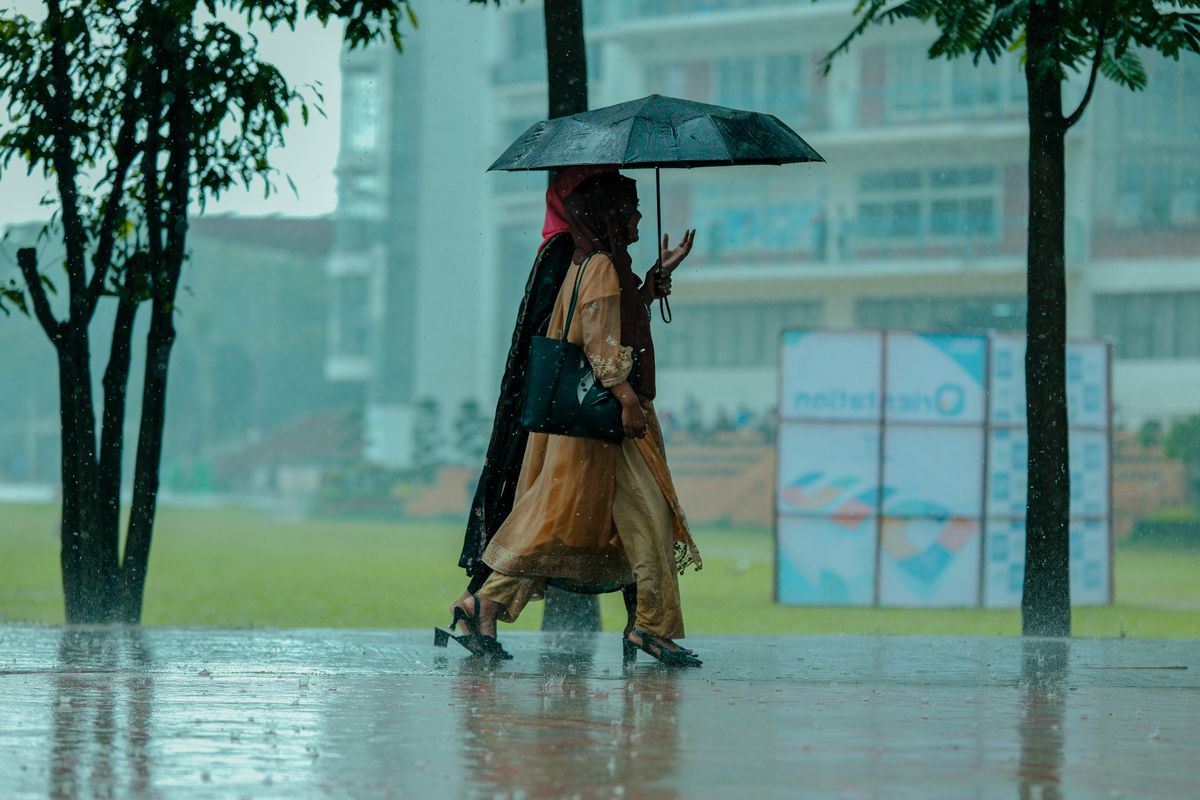
Photo by Md Nadim Mahmud on Pexels
| Failure Mode / Symptom | Garment Construction | Root Cause | Diagnostic Check | Resolution / Action |
| --- | --- | --- | --- | --- |
| Sunburn beneath fabric despite wearing UPF gear | Chemical finish knit or cotton blend | UV-absorbing chemical treatment washed out after 20+ laundry cycles | Flashlight test reveals high light transmission through yarn matrix | Replace with an inherently high-density woven fabric or re-treat temporary knits |
| Fabric wet-out causing translucent light leakage | Waterproof outerwear with degraded DWR | Surface fabric saturates with water, swelling fibers unevenly and opening micro-gaps | Water absorbs instantly into outer shell instead of beading up | Reapply DWR finish to prevent fabric saturation; physical UPF remains intact once dry |
| Localized sunburn along shoulders or upper back | Tight-fitting synthetic baselayer | Over-stretching pulls fabric weave open, expanding inter-thread spaces | Inspect fabric under tension over hands to check for enlarged weave openings | Size up or select a relaxed-fit outerwear silhouette to avoid tension stretch |
| Thinning or micro-tears from outdoor abrasion | Ultra-lightweight nylon or polyester | Friction degrades thread density, creating pinhole voids that pass UV radiation | Hold fabric up to bright light bulb to inspect for translucent patches | Retire garment for intense UV exposure or upgrade to a high-tenacity woven shell |
| Fading, discoloration, and chalky film buildup | Dye-treated synthetic outerwear | Photo-oxidation and detergent residue accumulation on outer fibers | Check high-exposure panels against unexposed interior hem fabric | Wash with specialized technical residue-free cleaner to remove films |
Compare failure symptoms across chemically treated knits and technical high-density woven rainwear to identify the exact cause of reduced sun defense.
Expert Field Tip: The Light Transmission Test
You can easily assess fabric density at home using a high-lumen flashlight. In a dark room, stretch the dry garment moderately over the lens of a 500+ lumen flashlight. If defined pinpricks or clear beams of light pass through the weave, the UPF rating has dropped below safety thresholds (typically below UPF 15). If only a dim, diffused glow is visible without distinct light points, the physical barrier remains dense enough to provide UPF 50+ protection.
Retain, Re-Treat, or Replace: Sun Shield Decision Tree
- Does your sun protection garment rely on a topical chemical finish rather than a tight technical weave? → Yes: Has it been washed over 25 times? If yes -> Replace or re-treat with wash-in UV additives. If no -> Retain and wash gently in cold water.. No: Proceed to structural fabric evaluation.
- Is there visible thinning, heavy pilling, or seam pulling across high-stress shoulder or back zones? → Yes: Replace immediately; structural fiber wear permanently compromises UV barrier performance.. No: Proceed to surface wet-out check.
- Does the outer shell soak up water instantly during rainfall? → Yes: Re-apply DWR water repellent spray to restore rain performance; the physical UPF weave remains sun-safe when dry.. No: Retain garment; your UPF 50+ protection is fully intact and travel-ready.
Recommended Inherent UPF 50+ Gear
If your current outerwear relies on temporary chemical dips or thin knits that degrade in the wash, consider upgrading to an inherently protective layer.
The Waterproof Hooded Trench Coat provides permanent UPF 50+ sun protection built directly into its high-density woven shell, blocking 98% of harmful UV rays without relying on wash-off chemical treatments. Engineered for seamless versatility from trail hikes to city commutes, it features a fully waterproof outer shell with sealed seams, breathable mesh lining, an adjustable drawstring hood, cinchable waist, and deep zippered pockets. It folds effortlessly into its own pocket, making it the ultimate all-in-one sun and rain defense for travelers.
Key Takeaways: Understanding UPF Longevity
- Chemical vs. Inherent Protection: Topically treated fabrics lose sun defense after 20–30 washes, whereas tight-woven technical fabrics maintain inherent UPF 50+ for life.
- Mechanical Wear Degrades UPF: Over-stretching, micro-abrasion, and thinning fibers widen micro-gaps in fabric, permitting UV light penetration.
- DWR vs. UPF: Durable Water Repellent (DWR) keeps rain from soaking fabric, but does not provide UV protection. However, fabric wet-out can temporarily reduce sun defense by shifting light refraction.
- Simple Diagnostic Verification: The dark-room flashlight test offers a quick, practical method to evaluate UV leakage at home.
5-Step At-Home UPF Integrity Inspection Protocol
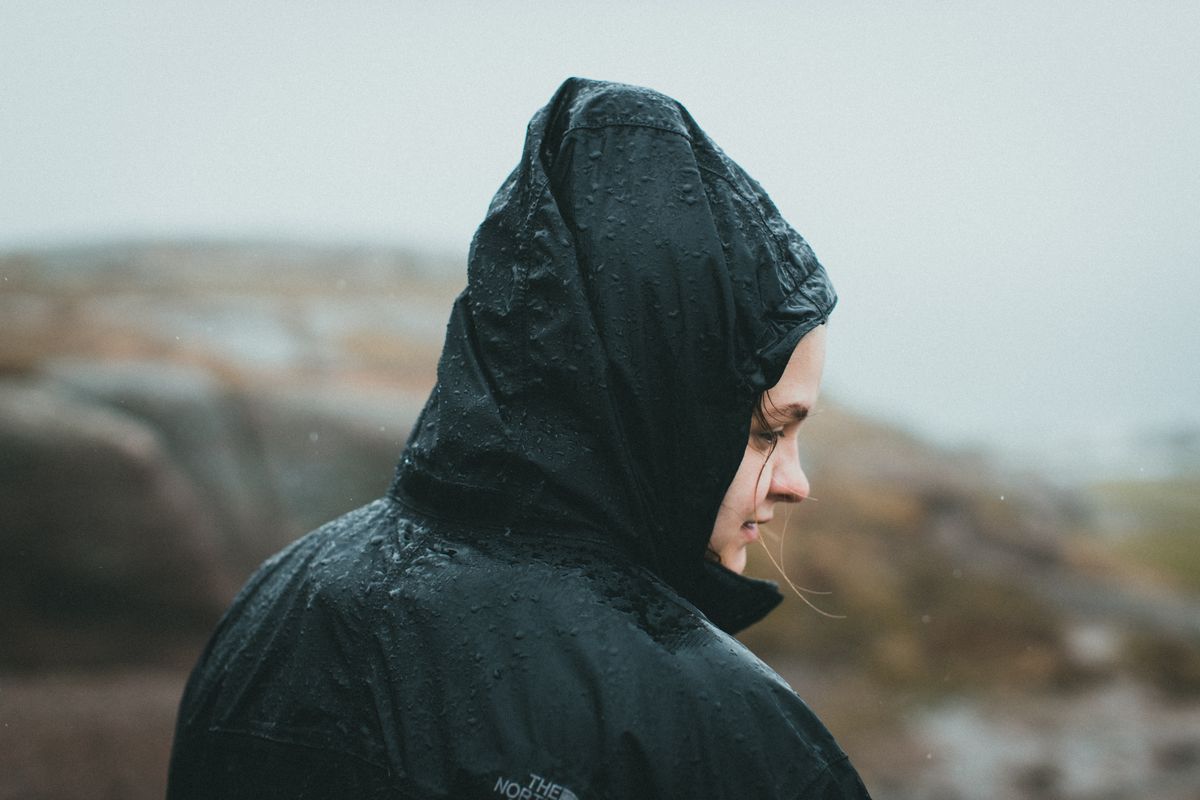
Photo by Jonathan Cooper on Pexels
Follow this simple step-by-step procedure to inspect your sun-protective garments before major travel trips:
Common Mistakes That Accelerate UPF Degradation
- Using Fabric Softeners and Bleach: Fabric softeners coat fibers with a slick film that degrades DWR finishes and breaks down chemical UV absorbers. Chlorine bleach strips fabric dyes and breaks down synthetic threads.
- Mistaking DWR Failure for UPF Degradation: When a coat wets out in heavy rain, water saturates the outer layer. While this affects waterproofing, it does not destroy the physical weave's inherent UPF blocking capacity once dried.
- Wearing Over-Tight Sun Gear: Stretching light fabrics over shoulders or chest widens the spaces between yarns, allowing UV radiation to reach your skin even on new garments.
- Tumble Drying on High Heat: Excessive heat breaks down elastane, seam-sealing tapes, and synthetic microfibers, prematurely thinning the physical barrier.
Frequently Asked Questions About UPF Wear and Care
Can you reapply UPF spray to old clothing?
Wash-in or spray-on UV blocking treatments exist for cotton and basic synthetic knits, but they are temporary solutions that require reapplication every few washes. Furthermore, these chemical sprays should never be applied to waterproof breathable membranes or technical trench coats, as they can clog breathable pores and ruin water repellency.Does DWR re-waterproofing restore UPF protection?
No. Durable Water Repellent (DWR) treatments restore water bead-off performance, but do not contain UV-blocking agents. UPF protection depends on physical fiber density, weave tightness, or inherent UV-absorbing filaments within the fabric.How can I test my garment's UPF rating at home without laboratory equipment?
The most reliable method is the flashlight transmission test. In a dark room, stretch fabric over a high-lumen light source. If direct light pinpoints shine through the weave, the UPF safety factor is compromised. Certified laboratory spectrophotometer testing is required for precise numerical ratings, but light leakage indicates a low UPF rating.Does getting a UPF garment wet reduce its sun protection?
In open-knit fabrics or standard cotton sun shirts, wetness causes light scattering changes and thread swelling that can reduce UPF by 30% to 50%. However, dense, waterproof woven rainwear maintains UPF 50+ performance because its outer membrane repels water absorption and keeps the weave structure stable.Actionable Next Steps for Sun Safety Care
Your decision: Determine if your gear uses a transient chemical finish or an inherent high-density physical weave.
Do this next: Inspect your garment using the 5-step light transmission protocol. If fabric is thinned, damaged, or washed over 30 times with a chemical coating, upgrade to an inherently rated UPF 50+ trench coat.
- Read next: How to Wash a UPF 50+ Waterproof Trench Coat to Preserve Sun Protection
- Read next: UPF 50+ Rainwear Care FAQ: Chemicals, Detergents, and Fabric Longevity
Waterproof Hooded Trench Coat — UPF 50+ sun protection built directly into a packable, dense-woven waterproof shell.