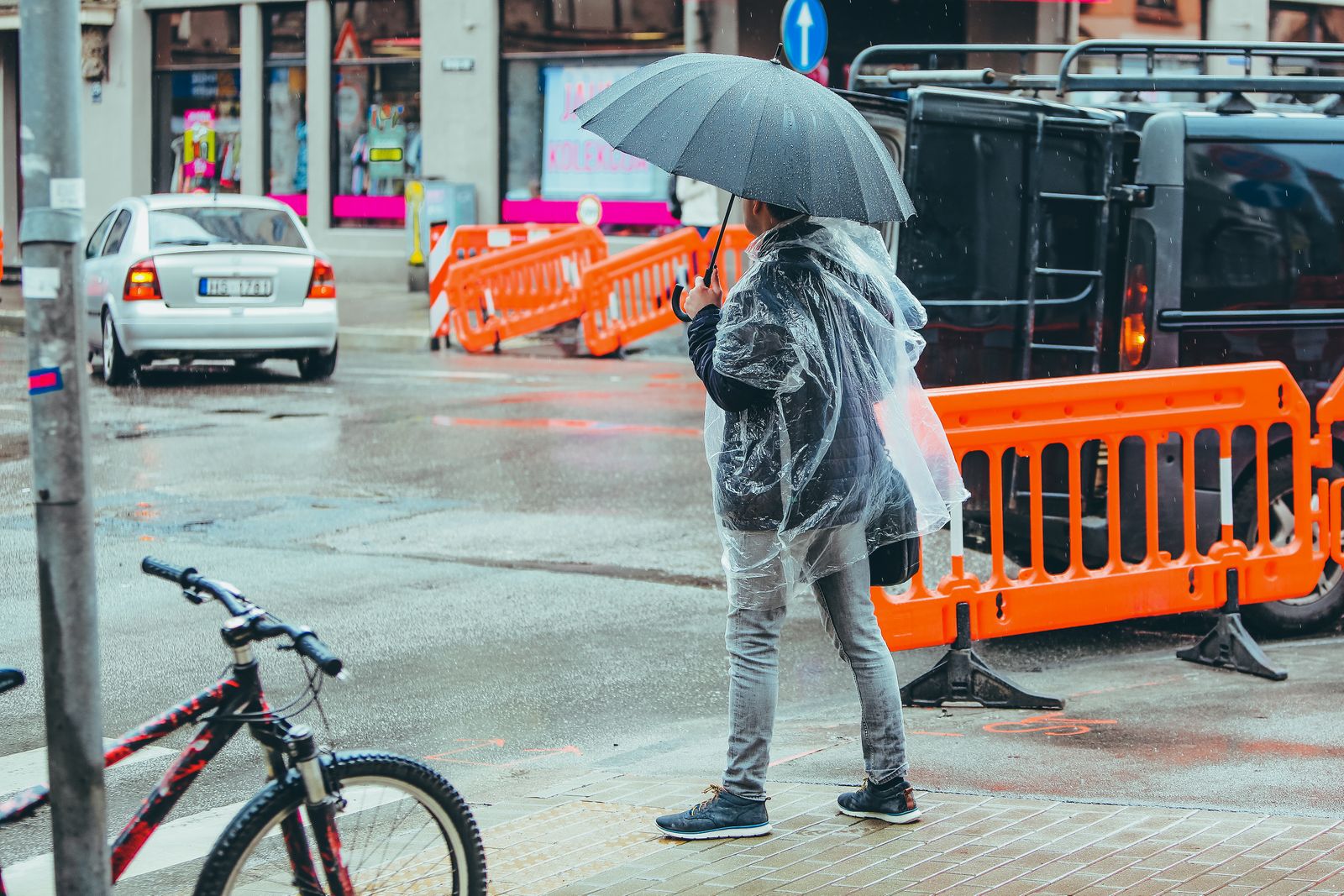
Humid Weather Commuting & Travel Rainwear: How to Stay Dry Without Overheating
You are rushing across a humid city street during an 82°F summer downpour, and within minutes, you feel clammy, sticky, and overheated inside your raincoat. To prevent this rainwear sauna effect during humid commutes, select a waterproof coat featuring high moisture vapor permeability (>15,000 g/m²/24h) and a physical mesh barrier lining. Loosen wrist cuffs and waist drawstrings to encourage convective air movement, allowing heat vapor to escape while blocking exterior rain.
Decision Support: Choosing Outerwear for Warm & Humid Commutes
For commutes in temperatures above 65°F (18°C) with high relative humidity, standard unlined rubber or non-breathable rain slickers will cause heavy internal condensation. Choose a lightweight waterproof shell with an internal mesh barrier lining and customizable mechanical venting options.
Best choice for
- Mesh-lined waterproof trench coat with cinchable waist and snap cuffs — The interior mesh prevents sticky membrane-to-skin contact while high vapor permeability and adjustable cuffs allow continuous convective cooling.
- UPF 50+ packable waterproof hooded coat — Protects skin against intense UV rays during sudden sunny clearings while remaining lightweight and compact inside daypacks.
- Heavyweight 3-layer alpine expedition hardshells designed for sub-zero snow conditions.
- Non-breathable vinyl, PVC, or rubber rain ponchos without interior lining or ventilation.
- 100% heavy cotton inner garments that absorb sweat and cling directly against skin.
- Unlined 2.5-layer ultralight rain shell — Slightly lighter, but the polyurethane backing often feels cold, sticky, and clammy against bare arms in high humidity.
- Waterproof Trench Coat with Breathable Mesh Lining — Provides full thigh-length coverage, feminine structure, skin separation, and active heat management for urban commutes.
Pro Tip: Managing Microclimate Airflow on the Go
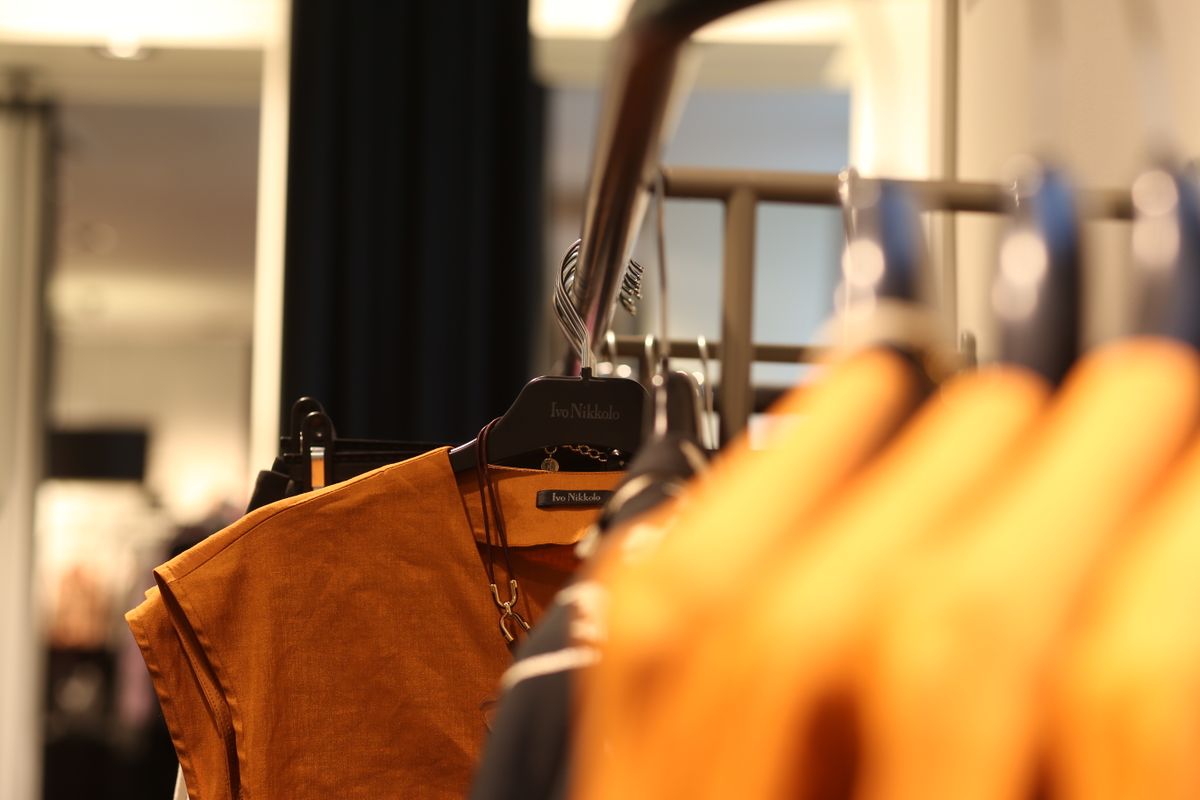
Photo by Edgars Kisuro on Pexels
When ambient humidity exceeds 85%, standard fabric breathability slows down because the water vapor concentration inside your coat closely matches the air outside. To break this thermal stagnation, use convective chimney venting: un-snap your wrist cuffs completely and loosen the lower drawstring waist while walking. As your body moves, cooler external air enters through the lower hem and wrist openings, forcing warm, humid air upward and out through the neck collar before it turns into liquid sweat droplets.
Visual Breakdown: The Humid Rainwear Microclimate
Understanding how heat and humidity move through technical coat layers helps you optimize fit adjustments in real time.
Commuter Action Plan: Preparing for Warm Rain
Your decision: Identify your commute temperature and humidity levels to adjust garment vents and inner base layers accordingly.
Do this next: Wear a lightweight synthetic base layer, open wrist snap-buttons for airflow, and pack a packable waterproof trench coat in your tote bag.
- Read next: How to Stay Dry and Stylish on a Rainy City Commute
- Read next: Does Washing Damage UPF 50+ Sun Protection?
Waterproof Hooded Trench Coat (UPF 50+ Sun Protection, Breathable Mesh Lining)
Follow these practical steps to configure your outerwear before heading out into high-humidity downpours.
Key Takeaways for Humid Weather Outerwear
- High ambient humidity reduces passive fabric diffusion; active mechanical airflow through cuffs and waists is critical.
- Interior mesh linings eliminate the sticky 'skin-cling' sensation common with non-lined waterproof coatings.
- Dual protection (UPF 50+ sun blockage plus fully sealed waterproof seams) handles unpredictable tropical weather transitions.
- Synthetic polyester or nylon base layers wick moisture away from skin far better than sweat-retaining cotton.
- Regular cleaning with specialized tech-wash removes sweat salts that clog breathable membrane pores.
Recommended Solution: Waterproof Hooded Trench Coat
Engineered for the woman who refuses to let weather dictate her plans, this versatile trench delivers severe weather protection without thermal bulk.
Outerwear Performance Matrix Across Humidity Levels
| Outerwear Type | Ideal Temperature & Humidity | Skin Comfort Level | Vapor Management Capabilities | Commuter / Travel Suitability | | --- | --- | --- | --- | --- | | Standard Plastic Rain Poncho | 50°F–65°F / Low Humidity | Poor (Sticks directly to wet skin) | None (Traps 100% of body sweat vapor) | Low (Bulky, noisy, easily tears in wind) | | Unlined 2.5-Layer Shell | 55°F–70°F / Moderate Humidity | Moderate (Can feel clammy on bare arms) | Moderate (Relies solely on fabric membrane) | Moderate (Compact, but hot in tropical rain) | | Mesh-Lined Waterproof Trench Coat | 60°F–90°F / High Humidity (>80% RH) | Excellent (Mesh creates physical air gap) | High (Combines high MVTR fabric with cuff/waist airflow) | High (Sleek silhouette, packable, UPF 50+ sun coverage) | | Heavy 3-Layer Winter Hardshell | Below 50°F / Cold Downpours | Good (Requires thick base layers) | Low in warmth (Overheats rapidly in warm rain) | Low for warm travel (Stiff, heavy, non-packable) |
Compare how different outerwear configurations handle temperature, relative humidity, and active body heat during urban travel.
Technical Specifications & Breathability Metrics

Photo by Rachel Claire on Pexels
| Performance Metric | Technical Standard Rating | Functional Benefit for Warm Rain | | --- | --- | --- | | Waterproof Rating | 10,000 mm – 15,000 mm Hydrostatic Head | Withstands heavy urban downpours and wind-driven rain without water soaking through. | | Breathability Rating (MVTR) | 15,000+ g/m²/24h | Allows high volumes of internal sweat vapor to pass through fabric pores every 24 hours. | | Evaporative Resistance (RET) | RET < 6 (Extremely Breathable) | Provides minimal resistance to body heat, preventing warm air accumulation inside coat. | | UV Defense Index | UPF 50+ Rating | Blocks over 98% of UVA and UVB rays during sudden sunny overhead breaks in tropical climates. | | Seam Construction | 100% Fully Taped & Sealed Seams | Prevents water droplets from leaking through needle stitch holes during prolonged storms. | | Lining Material | Lightweight Hydrophobic Mesh | Suspends outer shell off skin, promoting continuous airflow and eliminating humidity stickiness. |
A granular look at the technical fabric engineering required to maintain comfort in high-humidity urban environments.
5 Common Mistakes That Cause Internal Moisture in Raincoats
Avoid these frequent clothing choices and adjustments that inadvertently create internal condensation and discomfort.
Frequently Asked Questions: Humid Weather Rainwear
Expert answers to technical questions about maintaining breathability, sun protection, and shell care in tropical conditions.
Related Outerwear & Commuter Guides
- Why Does Waterproof Rainwear Feel Humid? Understanding Breathability & Mesh Linings
- Humid Weather Rain Gear FAQ: Stay Cool & Dry
- How to Dress for Humid Rainy Weather: The Complete Style & Performance Guide
Final Steps for Effortless All-Weather Commutes
Your decision: Transition to a multi-scenario waterproof trench coat engineered specifically for warm rain, high humidity, and intense sun exposure.
Do this next: Select your ideal size and color in the Waterproof Hooded Trench Coat to experience breathability, mesh-lined comfort, and packable convenience.
- Read next: How to Stay Dry and Stylish on a Rainy City Commute
Waterproof Hooded Trench Coat
Ready to upgrade your commuting and travel outerwear for humid conditions?
Cover photo by Vlad Fonsark on Pexels.