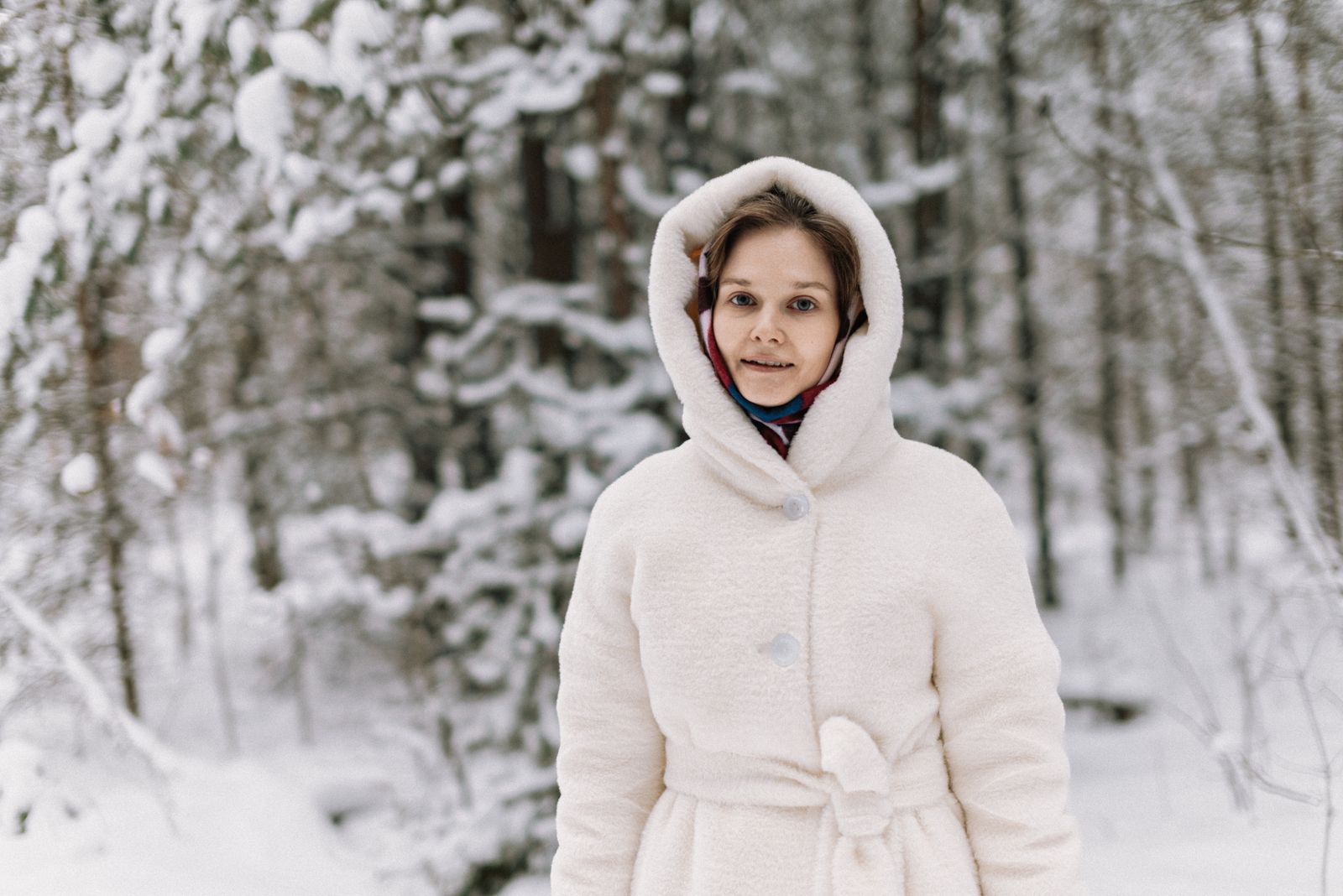
How to Choose the Best All-Weather Travel Coat for Changing Microclimates
The best all-weather travel coat for changing microclimates is one piece that covers rain, sun, and a cool snap without filling a suitcase. Choose a waterproof sealed-seam shell with UPF 50+ that blocks 98% of UV, a breathable mesh lining, a drawstring hood, snap-button cuffs, a cinchable waist, and a packed weight around 350g that folds into its own pocket. The Spring Jacket Waterproof Hooded Trench Coat is that profile: light-rain cover for 120+ minutes, city length, and climate controls on the body instead of extra garments in the bag.
A microclimate is a morning fog and a noon plaza, not a new wardrobe
Coastal cities, hill towns, and island hops stack weather in a few miles. Harbor wind, a sun trap between buildings, then a shower on the walk back to the hotel is a normal afternoon. Packing a sun shirt, a rain shell, and a sweater as three outer layers is how a carry-on fails. One hooded trench that is waterproof and UPF 50+ is the weather slot; warmth is a thin layer underneath when the reading sits near 10°C.
Cinch the waist for a windy square. Loosen it in a humid market. Snap cuffs closed when rain tracks down the sleeve; open them on a climb to a viewpoint. Those hardware moves are faster than swapping jackets.
The all-weather travel layering guide maps what goes under the shell. This page is the shell-buying rule: one coat that earns the only outerwear cube.
Waterproof and UPF have to live on the same fabric
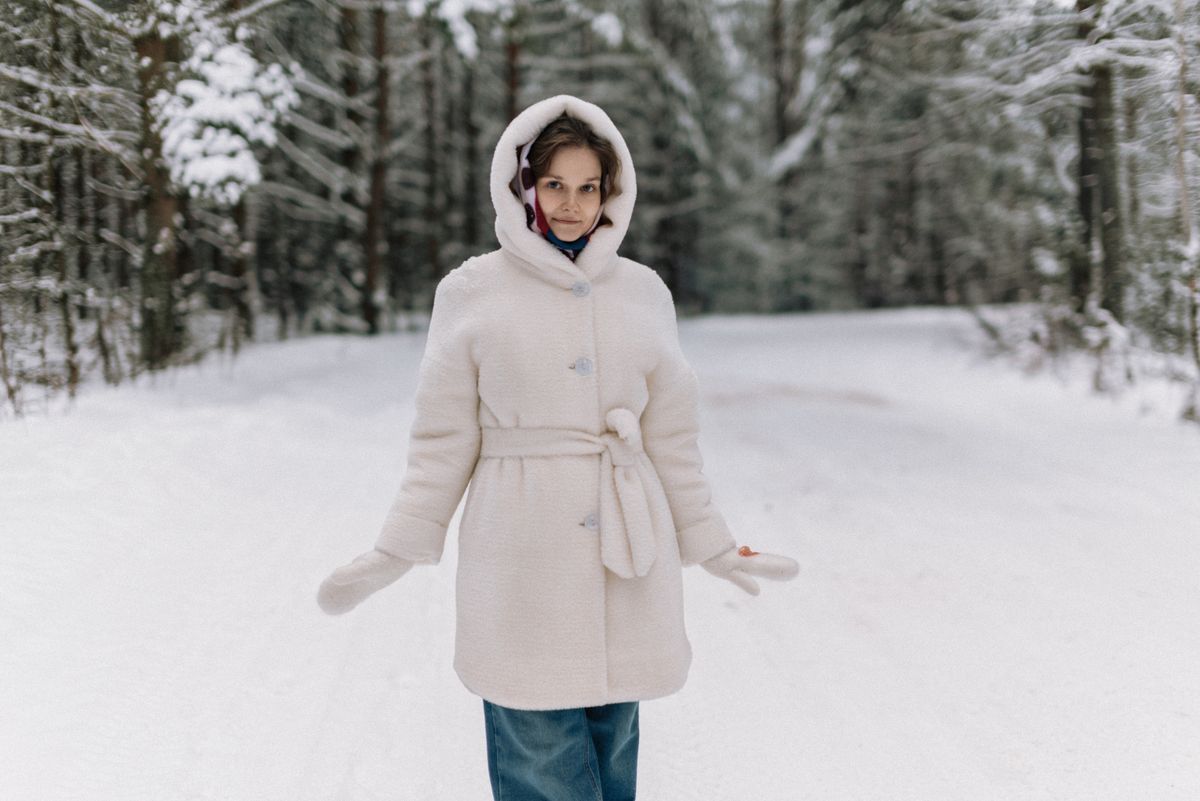
Photo by Siarhei Nester on Pexels
A microclimate day is often wet and bright in the same hour. A rain-only coat leaves arms exposed to UV when the cloud thins. A sun-only shirt soaks through. UPF 50+ on a waterproof 100% polyester trench blocks 98% of UV on the covered surface while sealed seams handle the shower.
Do not shop hydrostatic-head brag numbers that are not listed. Shop sealed seams, a waterproof shell, and a realistic wet window: 120+ minutes of light rain for everyday rain, commutes, and outdoor walks. Sustained heavy downpours still want a plan to get indoors or add a waterproof base.
Mesh lining at 5,000 g/m² is why the same coat can stay on in warm rain. Transitional weather around 50-70°F is the listed comfort band. Hot still midday may feel warm; that is expected in any waterproof shell.
Weight, pocket-pack, and color are the suitcase tests
350g is the number that keeps a second coat out of the bag. Fold the trench into its own pocket and it occupies a corner of a carry-on, not a packing cube of its own. If a candidate coat cannot pack into itself, it will be worn on the plane every time, which is fine until the cabin is hot.
Two zippered pockets replace a small crossbody for phone and passport on a walking day. Deep zippered pockets matter more in a tourist crowd than open flap pockets.
Eight colors are listed: black, olive, pink, beige, light gray, red, navy blue, and yellow. For microclimate travel, beige, olive, navy, and black pair with a small capsule. Yellow is the high-visibility choice on dim ferry decks, not a requirement.
Travel coats scored against microclimate days
| Coat type | Rain + sun in one hour | Carry-on cost | Climate dials | | --- | --- | --- | --- | | Waterproof UPF 50+ packable trench | Sealed seams plus 98% UV block | 350g, own pocket | Hood, cinch, snap cuffs | | City wool coat | Absorbs rain, no UPF claim here | Heavy, not packable | Buttons only | | Ultralight emergency poncho | Rain only, poor repeat wear | Tiny | None | | Sun hoodie only | Fails in rain | Light | Hood, no sealed rain shell | | Two-jacket system | Complete if both are packed | Two pieces | Swap garments, lose time |
Fit is a climate tool, not only a mirror check
The cut runs slightly generous so a sweater fits underneath on a 10°C morning. Size down one size for a closer look over a single tee. Cinch after the coat is on; cinching first fights the hem.
The hood is permanently attached and lays flat when unused: no detached hood to lose in a cafe, no gap at the collar in wind. It is roomy enough for styled hair. A 30-day money-back window is listed if length is wrong after the first walking day.
Microclimate travel-coat buying checklist
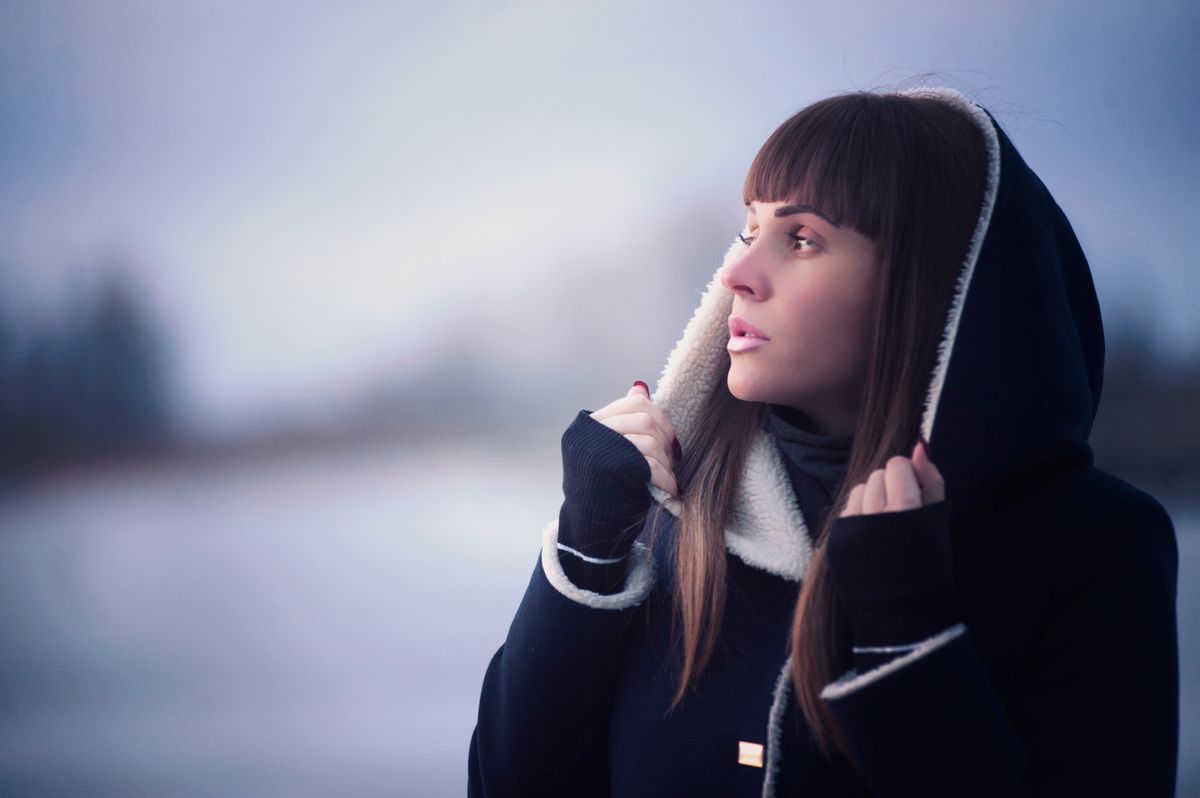
Photo by Atlantic Ambience on Pexels
- [ ] Waterproof sealed-seam shell plus UPF 50+ on the same fabric.
- [ ] About 350g and folds into its own pocket.
- [ ] Drawstring hood, cinchable waist, snap-button cuffs.
- [ ] Two zippered pockets for walking days.
- [ ] Mesh lining for warm rain; room to layer near 10°C.
- [ ] One coat in the bag, not a rain shell plus a sun shirt plus a city coat.
Frequently asked questions
Is a trench the right length for travel microclimates?
A hooded trench covers more of the outfit than a short windbreaker, which matters in wind-driven rain on a waterfront. It still packs at 350g when it folds into its own pocket.
Can this coat handle a 10°C morning and a warm afternoon?
Yes if a layer goes under it for the cold block. The shell is not insulation. Mesh lining helps the warm, wet block. That is the microclimate pattern.
Should a second rain jacket still come along?
Not if the one coat is a sealed-seam waterproof UPF trench that packs into itself. A second shell is how carry-ons overflow.
Does packable mean disposable?
No. 100% polyester with sealed seams and a mesh lining is a repeat-wear travel coat. Packable describes the pocket fold, not a one-storm film.
What if the destination is only sunny?
UPF 50+ still earns the slot, and a packable waterproof shell is cheap insurance for a forecast that changes after landing.
Related reading
Multi-climate buying, sightseeing outerwear, and variable-weather packing sit beside this coat choice.
- buying guide to women's multi-climate travel outerwear
- UPF and rain in one jacket for sightseeing days
- how to pack outerwear for variable-weather travel
What to do next
Write the coldest morning and the wettest afternoon on the next trip. If those two moments happen in the same 24 hours, pack one 350g waterproof UPF 50+ trench that folds into its own pocket, plus one warm layer for starts near 10°C. Leave the extra city coat at home.
Cover photo by Siarhei Nester on Pexels.