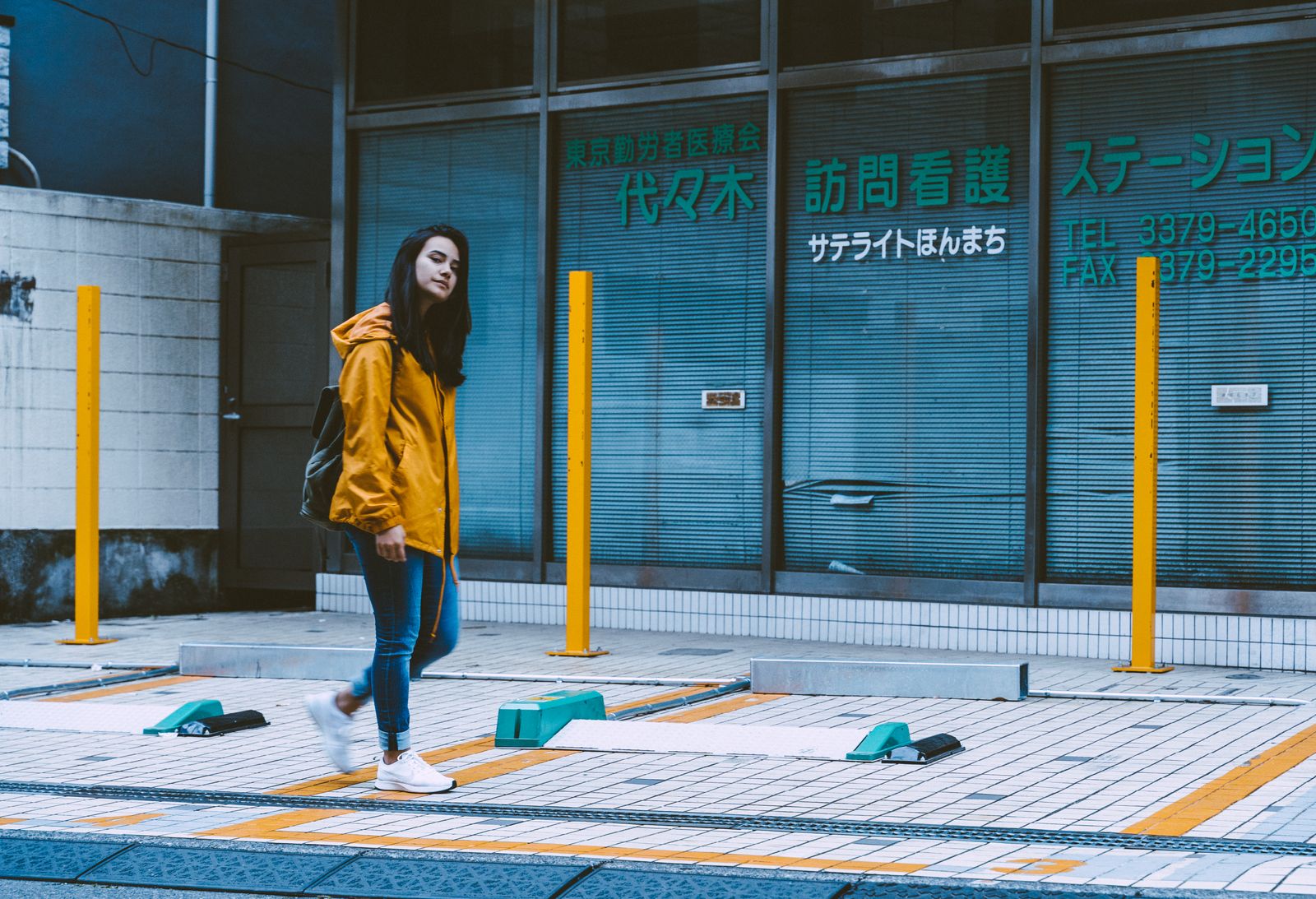
Why Do You Sweat in a Waterproof Jacket? Airflow and Humidity Control Guide
You are walking through a warm summer trail during a sudden downpour, feeling hot, clammy, and sticky inside your rain gear. You sweat in a waterproof jacket because high ambient outdoor humidity suppresses the vapor pressure differential needed for breathable membranes to push moisture outward. When your internal body heat encounters the cool outer shell, trapped water vapor condenses into liquid droplets inside the jacket. Utilizing mechanical vents, loosening cuffs, and wearing a coat with a breathable mesh lining prevents fabric cling and restores internal airflow.
How to Manage Rainwear Microclimates Across Different Scenarios
Managing internal moisture depends on whether ambient relative humidity is high or low and your activity level.
Best choice for
- Mesh-lined coat with loose hem, unsealed snap cuffs, and relaxed waist cinch — High outside humidity blocks membrane vapor transmission, so mechanical airflow and skin clearance are mandatory to flush heat.
- Synthetic moisture-wicking base layer combined with adjustable waist and collar venting — Cold outside air maintains a strong vapor pressure gradient, pushing sweat outward while mechanical vents dump excess thermal build-up.
- Wearing 100% cotton t-shirts under rainwear in high ambient humidity
- Sealing wrist cuffs and hem drawstrings tightly during warm-weather active travel
- Unlined 2.5-layer ultralight jacket — Lighter for packability, but clings directly against sweaty skin when relative humidity hits 90% or higher.
Pro Tip: Leverage the Microclimate Chimney Effect
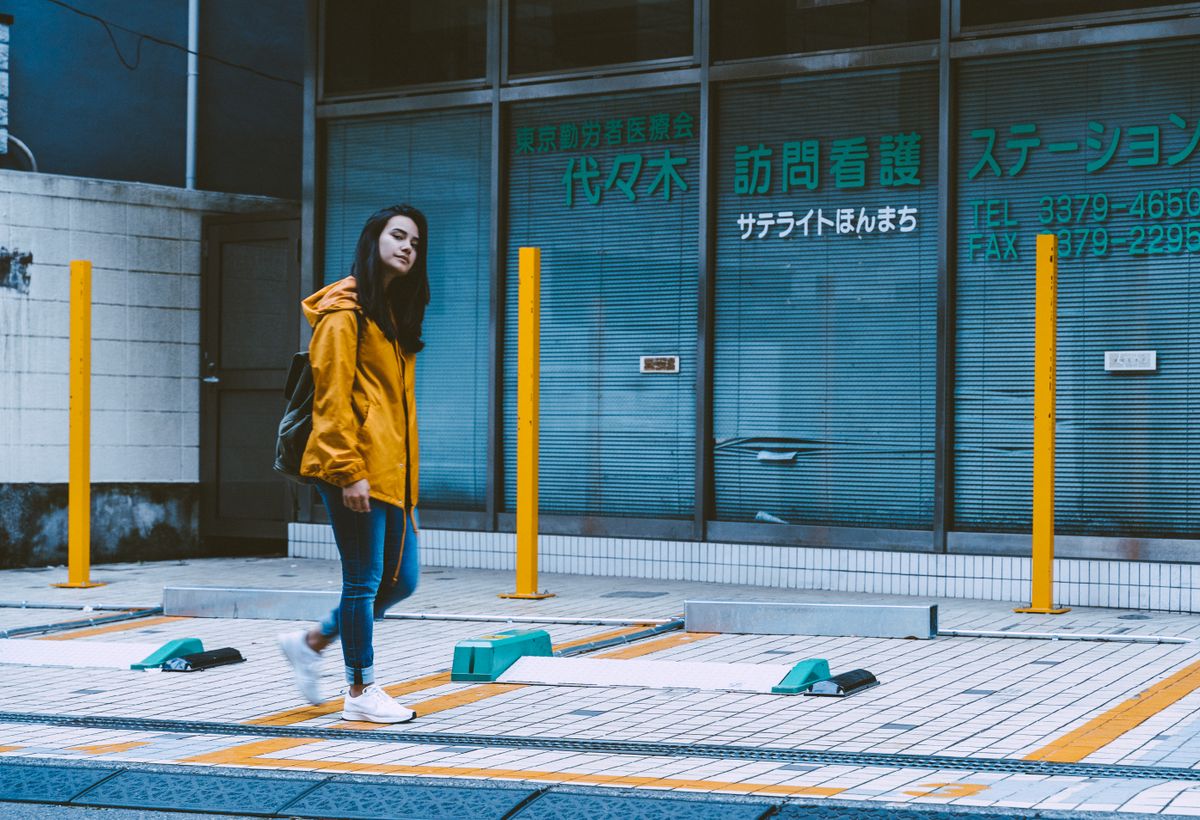
Photo by James Reyes on Pexels
To cool your internal temperature without letting rain inside, create a active thermal chimney. Unsnap your wrist cuffs completely, slightly loosen the waist drawstring, and open the top collar snap by half an inch. As heat rises off your torso, it pulls cooler air upward through your wide cuffs and lower hem, exhausting damp warm vapor out the top before it can condense on the inner shell wall.
Sweat Condensation vs. Rain Leakage Troubleshooting Matrix
| Symptom / Moisture Pattern | Root Cause | Diagnostic Test | Actionable Solution |
| --- | --- | --- | --- |
| Uniform dampness across forearms, back, and chest under high exercise. | Sweat condensation trapped by high relative humidity. | Press a dry paper towel to the inside lining; check if dampness increases with physical exertion. | Unsnap wrist cuffs, widen hem drawstrings, and switch base layers to synthetic wicking fabric. |
| Localized wet spots directly along shoulder seams or under backpack straps. | Pressure-induced rain penetration through seam pinholes or worn fabric. | Inspect seam tape under bright light for peeling or bubble lift. | Re-seal damaged seam tape with polyurethane seam sealer or reapply DWR spray to friction points. |
| Fabric outer surface looks dark, heavy, and saturated rather than beading water. | Durable Water Repellent (DWR) wear out ('wetting out'). | Sprinkle water drops on dry jacket exterior; if water flattens and soaks in, DWR has degraded. | Wash jacket with a tech-wash cleaner and tumble dry on low heat, or apply a spray-on DWR restore treatment. |
| Cold, sticky feeling where inner jacket shell directly contacts bare skin. | Lack of internal air buffer causing thermal conduction and sweat transfer. | Check if skin-to-fabric contact occurs primarily on forearms or back. | Choose outerwear with an internal mesh lining or wear long-sleeve moisture-wicking synthetic baselayers. |
Before assuming your rain jacket has lost its waterproofing or suffered a seam failure, use this diagnostic guide to identify whether your internal dampness is caused by condensation or environmental water ingress.
Visualizing Condensation vs. Rain Leakage Mechanisms
Understanding how thermodynamics cause internal wetting helps you adjust your garments effectively in humid conditions.
Key Takeaways: Airflow, Humidity, and Moisture Control
Here are the essential physical principles and venting strategies to stay comfortable in all-weather travel.
Recommended Gear for Humid Sun and Rain Protection
Engineered for active travelers and commuters who refuse to let weather dictate their schedule.
Side-by-Side Comparison: Ventilation Methods in Warm Rain
| Ventilation Method | Airflow Volume | Humidity Impact (80%+ RH) | Best Use Case | Water Ingress Risk |
| --- | --- | --- | --- | --- |
| Mechanical Cuff & Hem Adjustments | High (Active displacement) | Remains 100% effective; forces physical exchange of trapped air. | Warm summer rain, humid city commuting, active trail walks. | Low when cuffs point downward and hem drawstrings are partially loose. |
| Breathable Mesh Lining Barrier | Medium (Passive air buffer) | Prevents sticky fabric contact regardless of external moisture levels. | Humid tropical weather, humid day hikes, light travel layering. | Zero risk; lining operates entirely inside the waterproof shell. |
| Passive Fabric Breathability (MVTR Membrane) | Low (Diffusion process) | Drops up to 80% when external humidity matches internal moisture. | Cold weather downpours, high-wind storms with low ambient temp. | Zero risk; solid continuous membrane blocks external liquid water. |
Not all ventilation approaches yield the same cooling and moisture management performance when outdoor humidity soars.
Fabric Breathability & Humidity Performance Specs
| Ambient Temp / Humidity | Vapor Pressure Differential | Membrane Efficiency (MVTR) | Condensation Risk | Recommended Venting Setup |
| --- | --- | --- | --- | --- |
| 50°F / 50% RH (Cool & Dry) | High (Strong outward push) | 90–100% of rated capacity | Very Low | Standard closure; rely on membrane breathability. |
| 60°F / 75% RH (Mild Rain) | Moderate (Moderate push) | 60–75% of rated capacity | Moderate | Unsnap cuffs to middle position; relax waist cinch slightly. |
| 75°F / 90%+ RH (Warm Downpour) | Near Zero (Minimal push) | 10–25% of rated capacity | High / Extreme | Full mechanical venting: open cuffs, uncinch waist, use mesh lining separation. |
Technical specifications mapping moisture vapor transmission rate (MVTR) and internal microclimate performance across ambient humidity environments.
4 Mistakes That Make Waterproof Jackets Sweatier
Avoid these common layering and garment management errors to maintain a cool internal microclimate.
Frequently Asked Questions About Raincoat Breathability
Answers to the most common questions regarding microclimate physics, mesh linings, base layers, and leak detection.
Action Plan: Staying Dry and Cool in Humid Rain
Your decision: Determine if your jacket requires improved mechanical ventilation features or better moisture-wicking base layers.
Do this next: In warm rain, loosen cuff snaps and waist drawstrings to encourage airflow, and choose a mesh-lined coat to prevent fabric from clinging to skin.
Related resource: Troubleshooting Rain Jacket Sweatiness: How to Maintain Mesh Lining and AirflowWaterproof Hooded Trench Coat with breathable mesh lining and snap-button cuffs for custom venting.
Follow these practical recommendations for your next rainy trip or daily commute.
Related Reading & Technical Deep Dives
Connect readers to cluster and pillar articles on fabric tech and tropical travel.
Cover photo by James Reyes on Pexels.