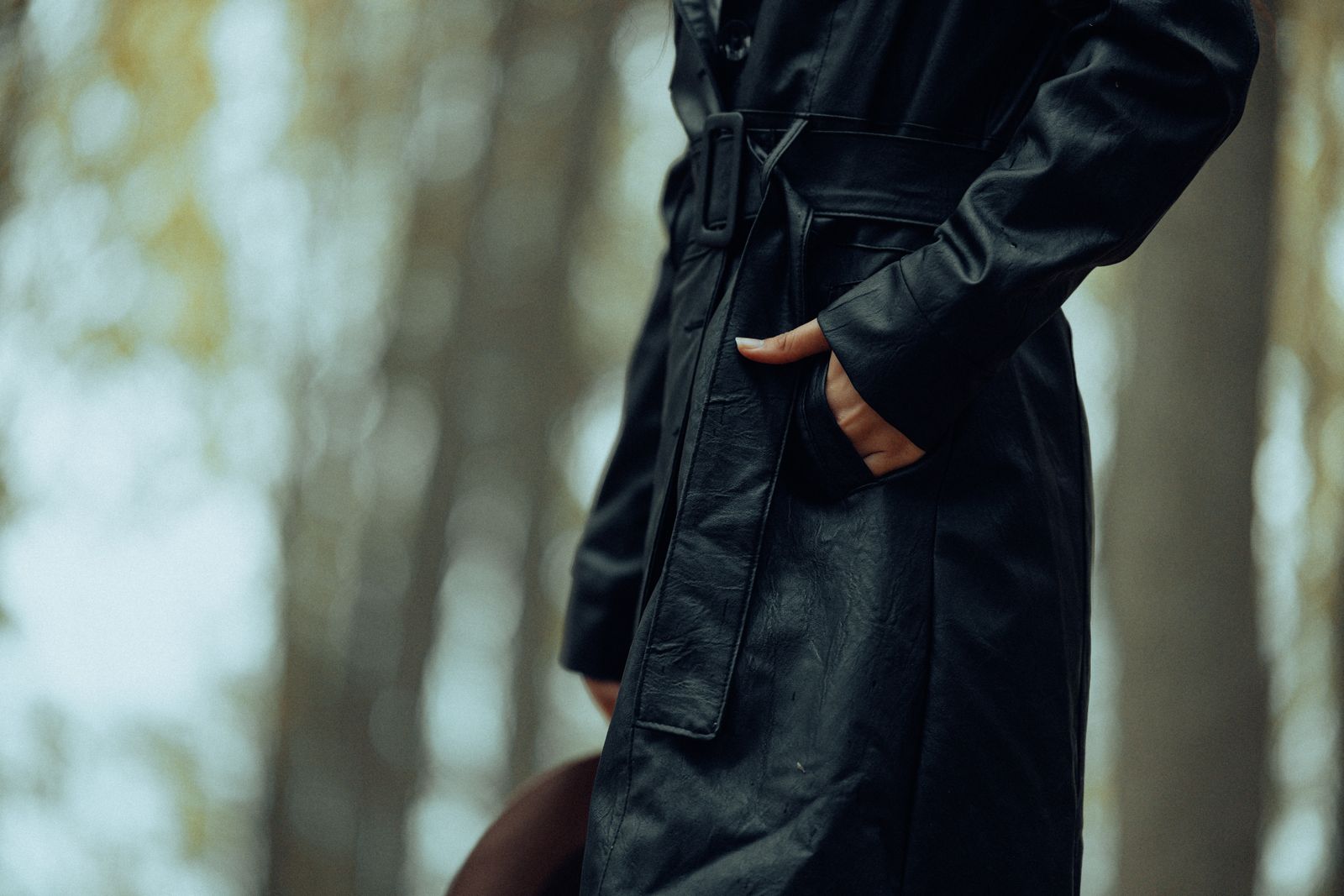
Waterproof Trench Coat Layering & UPF Protection FAQ | Technical Guide
Imagine stepping out of an air-conditioned museum into a 80°F tropical downpour, or hiking a foggy coastal ridge where cold wind cuts across the trail. To stay comfortable without overheating or looking bulky, pair your UPF 50+ waterproof trench coat with a moisture-wicking synthetic or merino base layer. Leave the cinchable waist relaxed in high humidity to maximize mesh airflow, and layer a low-profile fleece mid-layer with a lightly cinched waist when temperatures fall below 55°F.
Layering Configuration Selector by Climate & Activity
To optimize comfort in a UPF 50+ waterproof trench coat, select lightweight moisture-wicking synthetic or merino base layers for warm humidity, and add compact fleece or down mid-layers when temperatures drop below 55°F.
Best choice for
- Ultra-light synthetic short-sleeve base layer + relaxed waist drawstrings + loosened snap cuffs — Allows internal mesh lining to circulate ambient heat while the outer shell blocks 98% of UV radiation and heavy rain.
- Merino wool long-sleeve base layer + thin grid fleece mid-layer + cinched waist drawstring — Traps ambient body heat without overloading garment volume or putting excessive tension on waterproof seam tape.
- Wearing thick 100% cotton hoodies or heavy denim jackets beneath the coat in high humidity, which trap sweat and create cold internal dampness.
- Over-cinching the internal drawstring while wearing heavy winter mid-layers, which strains internal seam sealing and restricts shoulder mobility.
- Packable Insulated Vest — Provides essential core warmth during 50°F weather without adding bulk to the sleeves or restricting shoulder movement.
Pro Tip: Managing Internal Microclimates in Warm-Weather Rain
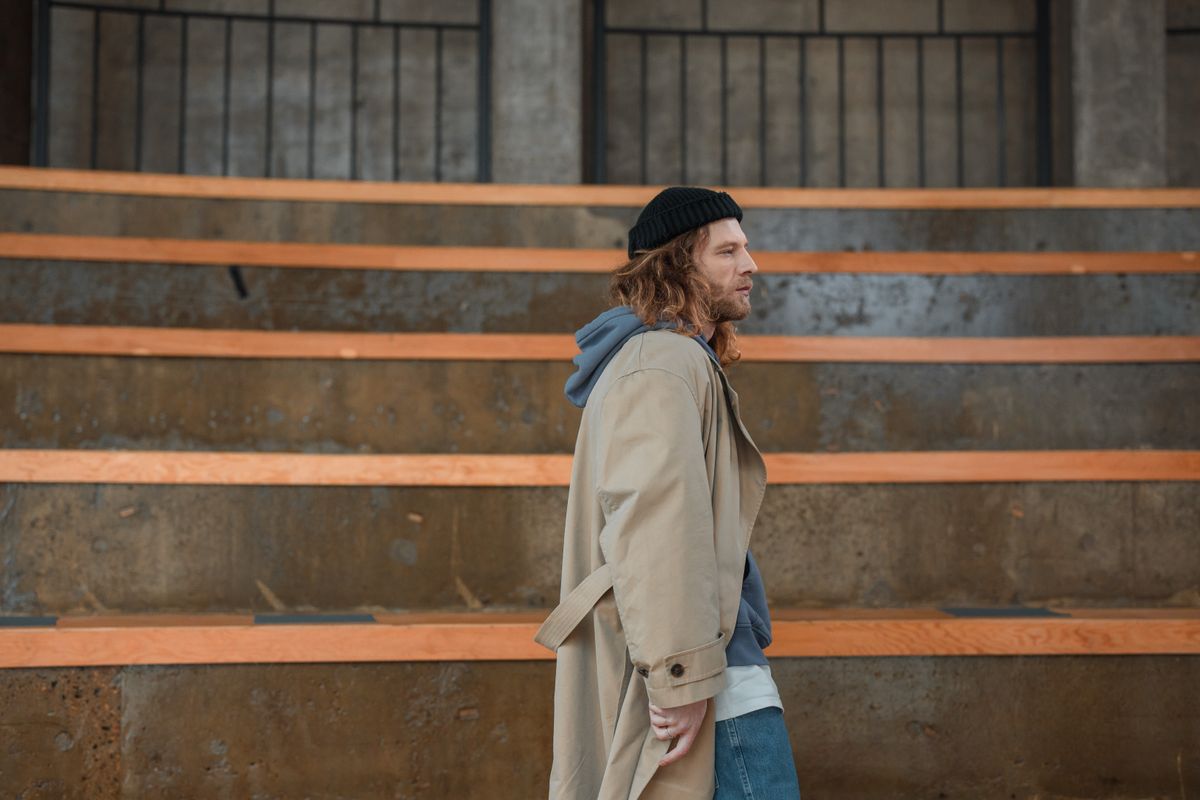
When wearing a waterproof coat in warm rain, sweat evaporation drops significantly because high external humidity reduces relative pressure differentials. To keep cool, treat your coat's adjustments as dynamic air vents. Loosen the snap-button cuffs to create a chimney effect that draws air up the sleeves, and un-cinch the drawstring waist completely. This creates space between your base layer and the coat's breathable mesh lining, allowing thermal vapor to escape freely across the fabric membrane.
All-Weather Layering Decision Flowchart
- Is the ambient air temperature above 70°F (21°C)? → Yes: Proceed to Warm Rain protocol: Wear a synthetic UPF-rated short-sleeve tee. Open sleeve cuffs and un-cinch waist cord completely.. No: Is the ambient air temperature between 55°F and 70°F (13°C - 21°C)?
- Is the ambient air temperature between 55°F and 70°F (13°C - 21°C)? → Yes: Proceed to Moderate protocol: Wear a lightweight merino long-sleeve tee. Adjust waist cinch moderately for a tailored fit.. No: Proceed to Cold Rain protocol: Wear a long-sleeve base layer plus a low-profile grid fleece vest. Cinch waist to seal heat.
Essential Layering & Sun Protection Rules
The Core All-Weather Outerwear Solution
Engineered for the active traveler who demands complete weather protection without sacrificing tailored style.
Side-by-Side: Temperature & Microclimate Layering Matrix
| Weather Condition | Recommended Base Layer | Recommended Mid-Layer | Coat Fit Adjustment | UV & Rain Protection Focus |
| --- | --- | --- | --- | --- |
| Warm & Humid Rain (71°F–85°F) | Ultra-light polyester or nylon short-sleeve tee | None required | Waist relaxed; sleeve cuffs fully opened | High humidity vapor transfer + 98% UV blockage |
| Moderate / Shifting Forecast (56°F–70°F) | Lightweight merino wool long-sleeve tee | Optional ultra-light cardigan or vest | Waist lightly cinched; cuffs at neutral snap | Balanced wind barrier + adaptable solar protection |
| Cold & Gusty Rain (45°F–55°F) | Mid-weight synthetic crew neck | Low-profile grid fleece or down vest | Waist fully cinched; cuffs snapped tight | Sealed seam storm defense + thermal retention |
Compare recommended inner garments and coat adjustment settings across three distinct microclimate ranges.
Technical Specification & Layering Compatibility Matrix
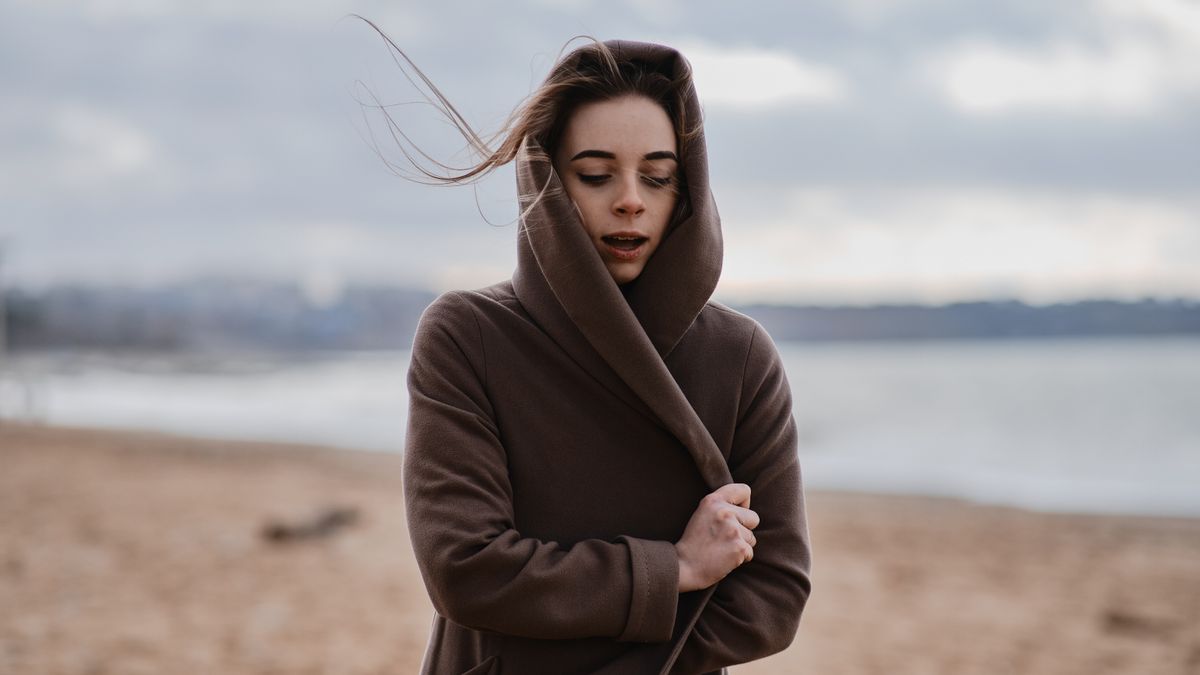
Photo by Ivan Mudruk on Pexels
| Technical Feature | Specification Detail | Layering Impact & Functionality |
| --- | --- | --- |
| Sun Protection | UPF 50+ Woven Structure (Blocks 98% UV) | Eliminates need for heavy sun shirts beneath; effective wet or dry |
| Waterproofing | Fully Taped & Sealed Seams | Prevents moisture entry along stress points during heavy movement |
| Interior Lining | Breathable Full-Torso Mesh | Creates a micro-gap above base layers to prevent sweat sticking |
| Silhouette Control | Internal Cord-Lock Drawstring Waist | Expands for bulky fleece layers or tightens over thin silk/tees |
| Packability | Self-Stowing Pocket Design | Compresses easily into daypacks when sunny and warm weather returns |
Detailed technical performance parameters for the Waterproof Hooded Trench Coat.
5 Layering Mistakes That Ruin Breathability and Fit
Avoid these frequent mistakes to ensure your coat performs at its peak in any storm.
Frequently Asked Questions: Layering & UPF 50+ Outerwear Performance
Get technical, practical answers to common questions about maximizing your waterproof trench coat.
Immediate Action Plan for Multi-Climate Travel
Your decision: Determine your travel destination's primary temperature range (45°F–85°F) and humidity profile to select your inner layers.
Do this next: Pack 1–2 moisture-wicking synthetic or merino base layers and test your trench coat drawstrings to ensure smooth adjustability.
Related resource: City-to-Trail Travel Packing Essentials Guide
Waterproof Hooded Trench Coat — Engineered with UPF 50+ sun protection, sealed seams, breathable mesh lining, and packable convenience for seamless multi-climate travel.
Prepare your travel wardrobe for total weather versatility before your next trip.
Further Outerwear & Styling Resources
Internal link hub for pillar and cluster content.
Cover photo by Atahan Demir on Pexels.