
Packable Waterproof Trench Coat FAQ: Wash, Care & All-Weather Travel Guide
Picture this: You are on a muggy mountain trail in the morning, trekking through intense sun, when a coastal downpour strikes without warning. To keep your dual-protection waterproof trench coat performing in every scenario, wash it in cold water on a gentle cycle using a dedicated, additive-free technical liquid cleaner. Never use standard powder detergent, bleach, or fabric softeners, as these clog the breathable mesh lining and strip the durable water repellent (DWR) finish. Tumble dry on low heat for 20 minutes to thermally reactivate rain protection, and store the jacket uncompressed on a padded hanger between trips.
Decision Support: Selecting the Right Care Strategy for Your Scenario
Tailor your trench coat care based on usage environment, humidity levels, and soil exposure to preserve seam tape and UPF 50+ fabric density.
Best choice for
- Self-pocket roll folding with gentle technical liquid detergent washing every 10-12 wears — Prevents deep creases from setting into the fabric while keeping hydrophobic DWR pores free from sweat and body oils.
- Immediate cold water spot-rinse followed by a full technical wash and low-heat tumble dry — Prevents fine clay particles and grime from embedding into the microporous waterproof outer shell and degrading seam tape adhesives.
- Wide padded hanger storage in a climate-controlled closet — Relieves stress on folded seam seals and prevents moisture buildup that could trigger hydrolysis in waterproof coatings.
- Avoid standard household detergents with optical brighteners, perfumed additives, or fabric softeners, which coat technical fibers in oily film and cause instant wetting out.
- Avoid commercial dry cleaning, as chemical solvents dissolve seam-sealing tape adhesives and ruin the UPF 50+ dense weave geometry.
- Basin hand-wash using additive-free baby shampoo or diluted tech wash — An effective emergency alternative while traveling in hotels when washing machines are unavailable.
Master Wash, Care & Travel Packing Checklist
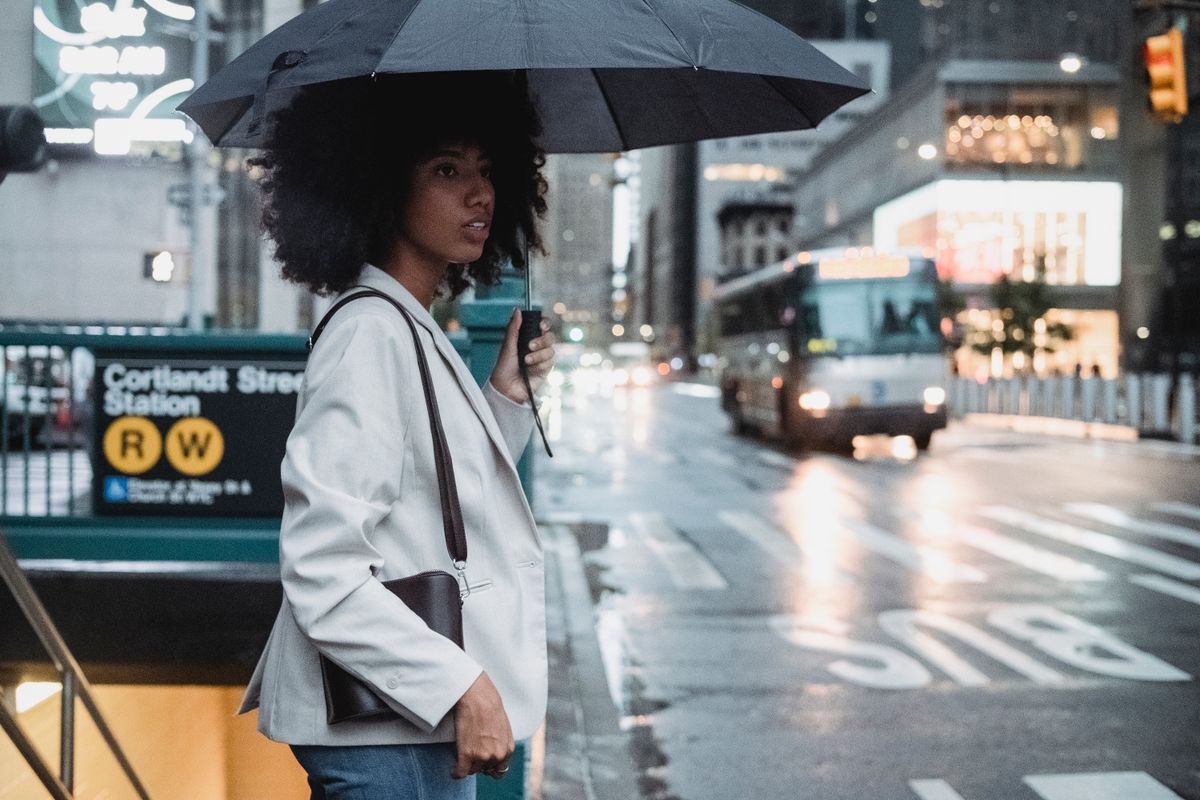
Photo by Roberto Hund on Pexels
- Zip all pockets and securely fasten snap-button cuffs before laundering
- Loosen all drawstrings, including the hood and cinchable waist toggles
- Select a cold or warm delicate machine cycle (maximum 30°C / 86°F)
- Use a specialized additive-free liquid tech wash (no powders, bleach, or softeners)
- Run a second rinse cycle to clear all residual soap particles from breathable pores
- Tumble dry on low/delicate heat for 20 minutes to reactivate the DWR coating
- Unpack immediately upon arrival at your destination and hang in a humid bathroom to drop travel creases
- Store on a wide padded hanger in a dry space when not on the road
Troubleshooting Common Fabric & All-Weather Performance Issues
| Symptom | Root Cause | Real-World Scenario | Immediate Action | Preventive Maintenance |
| --- | --- | --- | --- | --- |
| Outer shell darkens and absorbs water ('wetting out') | DWR coating exhausted by dirt, oil, or abrasion | Walking through an extended city downpour; water stops beading on shoulders | Wash with tech cleaner, then tumble dry on low heat for 20 minutes to reactivate DWR | Reapply spray-on DWR reproofer every 3-6 months depending on rain exposure |
| Dampness on inner mesh lining without visible outer leaks | Interior condensation build-up from high humidity or strenuous hiking | Uphill trail hiking in hot, muggy rain where sweat cannot escape fast enough | Unsnap cuffs and loosen drawstring waist to increase internal air circulation | Wear moisture-wicking synthetic or merino wool baselayers instead of cotton |
| Stubborn creases after self-pocket storage | Long-term tight compression in packed self-stowing pocket | Unpacking jacket after a 14-hour flight folded tight in carry-on luggage | Hang jacket in a warm, humid bathroom while taking a hot shower; steam releases creases | Only compress coat into pocket during transit; store hanging between trips |
| Water dripping through pocket zips or shoulder seams | Seam tape lift caused by excess heat or solvent exposure | Unexpected torrential storm exposes peeling internal seam sealing tape | Apply specialized iron-on seam re-sealing tape using a press cloth on low heat | Never expose coat to hot water, dry cleaning solvents, or high dryer temperatures |
If your technical trench coat experiences surface wetting, interior dampness, or travel creasing, use this diagnostic matrix to pinpoint the cause and apply the correct fix.
Key Takeaways for All-Weather Outerwear Longevity
Keep these core maintenance principles in mind to protect your gear investment over years of active travel.
Seasonal Outerwear Maintenance & Care Schedule
- After Every 4–6 Active Trail Hikes or 10–12 Urban Wears — Machine wash on delicate cold cycle with additive-free technical liquid cleaner. Run an extra rinse to remove sweat, body oils, and trail dust.
- Mid-Season or Prior to Extended International Travel — Perform a spray water test on shoulders and sleeve tops. If water does not bead off crisp droplets, tumble dry on low heat for 20 minutes to thermally reactivate DWR.
- Annually or After Heavy Hard-Weather Use — Apply a spray-on wash-in or direct spray DWR re-proofing treatment after washing. Inspect internal seam tape along shoulders and hood for seal integrity.
- Post-Trip Storage — Unfold from self-stowing pocket, air dry completely away from direct sunlight, and hang on a wide padded hanger in a cool, dark closet.
Featured Technical Outerwear
Designed for travelers who demand uncompromised function and style across city streets and wilderness trails.
When packing for unpredictable destinations—from damp Pacific Northwest coastal forests to sun-drenched European cobblestone streets—carrying separate rain jackets and sun shirts adds unnecessary bulk to carry-on luggage. A technical piece like the Waterproof Hooded Trench Coat solves this microclimate challenge by integrating high-density UV-blocking yarns directly into a breathable, rainproof shell.
Ready to upgrade your travel wardrobe? Explore how the Waterproof Hooded Trench Coat keeps you dry, cool, and protected in any weather — trail to city.
Understanding how these dual technologies work together is key to proper care. While DWR coatings rely on microscopic hydrophobic spikes on the fabric surface to shed rain, UPF 50+ ratings depend on tight fiber construction and specialized weaving techniques. Standard washing habits that damage rain repellency (like using liquid softeners) can also clog breathable mesh linings, underscoring the need for dedicated maintenance routines.
Washing Methods Side-by-Side: Machine Tech Wash vs. Hand Wash vs. Spot Clean
| Cleaning Method | Best Travel Scenario | Impact on DWR & UPF 50+ | Seam Protection Level | Drying Time & Effort |
| --- | --- | --- | --- | --- |
| Machine Tech Wash + Tumble Reactivation | At home pre-trip or post-trip thorough cleaning | Optimal; completely restores DWR surface performance when paired with low heat | High; gentle spin cycles prevent mechanical stress on internal tape | Fastest (20-min tumble dry + overnight air finish) |
| Hotel Basin Hand-Wash | Mid-trip extended travel in remote locations without laundry facilities | Good; safely removes oils and salts without harsh mechanical agitation | Maximum; zero high-spin stress on seam-sealed junctions | Slow (12-24 hours flat/drip air dry required) |
| Targeted Surface Spot Cleaning | Removing mud splatter or food spills during active transit | Preserves untouched DWR areas; restores local breathability | N/A; localized surface action only | Immediate (15-30 minutes spot air dry) |
Compare cleaning techniques to choose the safest, most efficient method for your travel setup.
Technical Fabric & Care Specification Matrix

Photo by Paul Reicherdt on Pexels
| Technical Parameter | Manufacturer Specification | Safe Operating / Care Threshold | Risk of Non-Compliance |
| --- | --- | --- | --- |
| Maximum Water Temperature | Cold to Warm Delicate (30°C / 86°F) | Do not exceed 30°C (86°F) | Hot water melts seam sealing tape adhesive and degrades polyurethane backing |
| Detergent Chemistry | Non-ionic, residue-free technical cleaner | pH neutral liquid (no bleach, enzymes, or brighteners) | Standard detergents leave hydrophilic film that destroys water repellency |
| Dryer Thermal Setting | Low Heat / Delicate Cycle | 20 minutes max at low temperature (<60°C / 140°F) | Excessive heat delaminates fabric layers and shrinks synthetic fibers |
| UV Blocking Integrity | UPF 50+ (Blocks 98% UVA/UVB) | Dense woven construction (permanent physical barrier) | Will not wash out, but heavy dirt buildup can lower optical density |
| Packing Compression Limit | Self-stowing integrated pocket roll | Transit duration only (up to 14 days compressed) | Permanent creasing and premature micro-cracking of interior coating |
Critical operating thresholds to preserve waterproof membranes, seam tape adhesives, and UV protection filters.
Mistakes That Destroy Waterproofing & Sun Protection
Avoid these common care pitfalls to keep your technical rainwear functioning like new.
Frequently Asked Questions: Packable Travel Weatherwear Care & Styling
Clear, expert answers to your top questions on washing, packing, layering, and restoring technical trench coats.
Next Steps for Prolonging Your Trench Coat's Lifespan
Your decision: Determine whether your trench coat requires a simple thermal reactivation in the dryer or a full technical wash and DWR spray re-application based on tap water beading tests.
Do this next: Inspect your coat under tap water. If water beads up cleanly, fold it using the self-pocket roll technique for your next trip. If the surface darkens and absorbs water, execute a low-temperature tech wash and heat cycle.
- Read next: Why Is My Rain Coat Wetting Out? How to Reapply DWR
- Read next: How to Wash a Women's Waterproof Trench Coat Without Damaging DWR
Experience ultimate city-to-trail weather protection with the Waterproof Hooded Trench Coat featuring UPF 50+ UV filtration and complete seam-sealed rain protection.
Take action today to test your jacket's water repellency and refine your packing technique before your next adventure.
Explore Related Weatherwear Strategies
Provide internal links to relevant cluster guides for microclimate packing and layering.
Cover photo by Vlada Karpovich on Pexels.