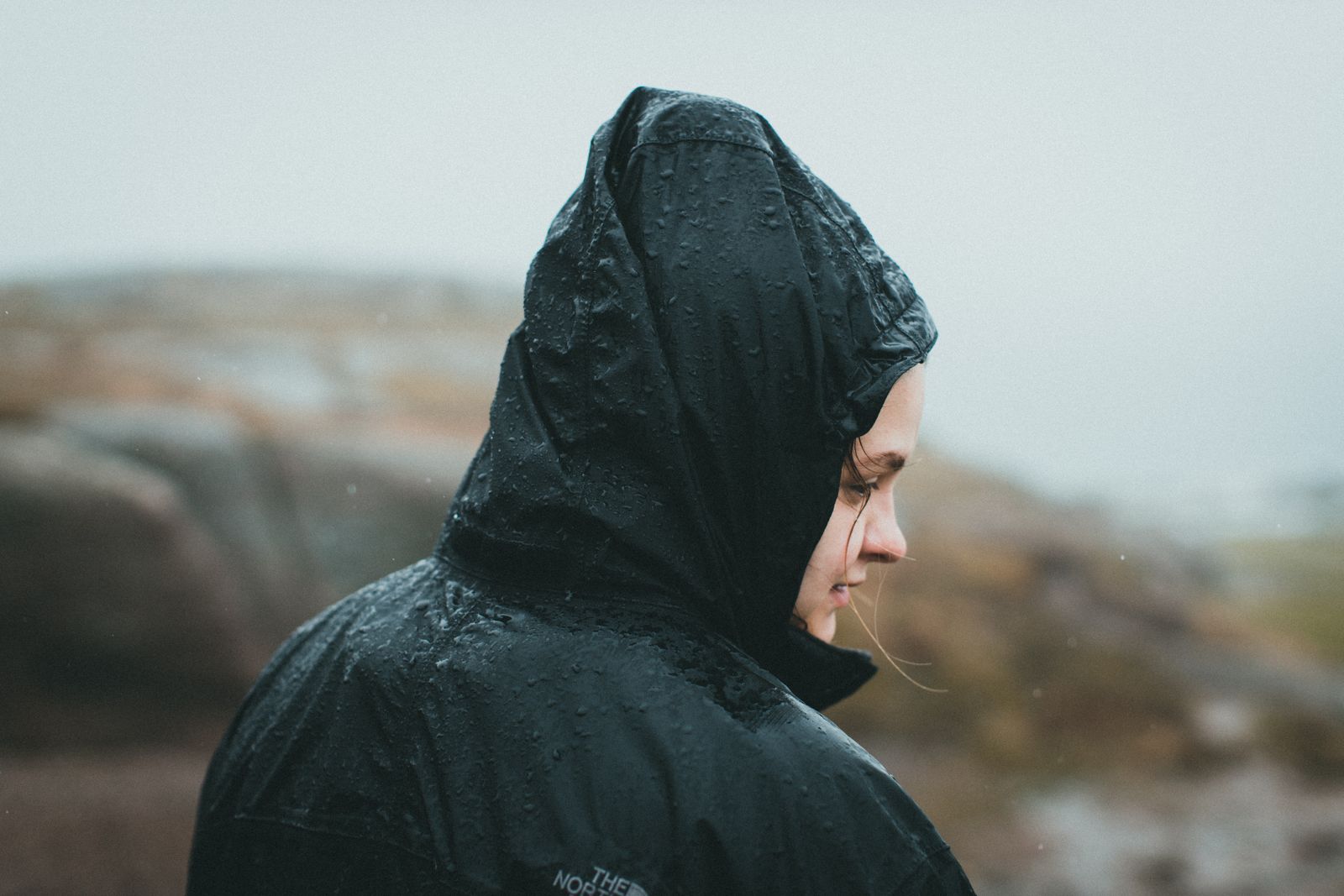
Mesh-Lined vs. Unlined Rain Jackets: Which Keeps You Coolest in Summer Downpours?
For summer downpours, a mesh-lined rain jacket runs cooler than an unlined one in almost every real-world case. The mesh holds the waterproof shell away from your skin so air can move through the gap and condensation stays off your arms, while an unlined shell presses its damp inner face directly against you. Unlined jackets win on packed size and outright weight, but if the priority is staying comfortable while it is warm and raining, the lining is the feature that does the work.
What is the actual difference between the two?
An unlined rain jacket is a single layer: the waterproof fabric, with nothing between it and whatever you are wearing. A mesh-lined jacket adds a light, open knit layer on the inside, attached at the seams and hanging just clear of the shell.
That thin gap changes the microclimate inside the jacket. Warm air rising off your body moves through the mesh channel and exits at the hem and cuffs rather than stalling against a flat surface. Any condensation that forms on the inside of the shell — which it will, in warm rain — is intercepted by the mesh instead of transferring straight onto your skin.
Neither construction changes how waterproof a jacket is. Waterproofing lives in the outer fabric and the seams. The lining is a comfort and airflow decision, not a weather-protection one.
Mesh-lined vs. unlined: side-by-side comparison
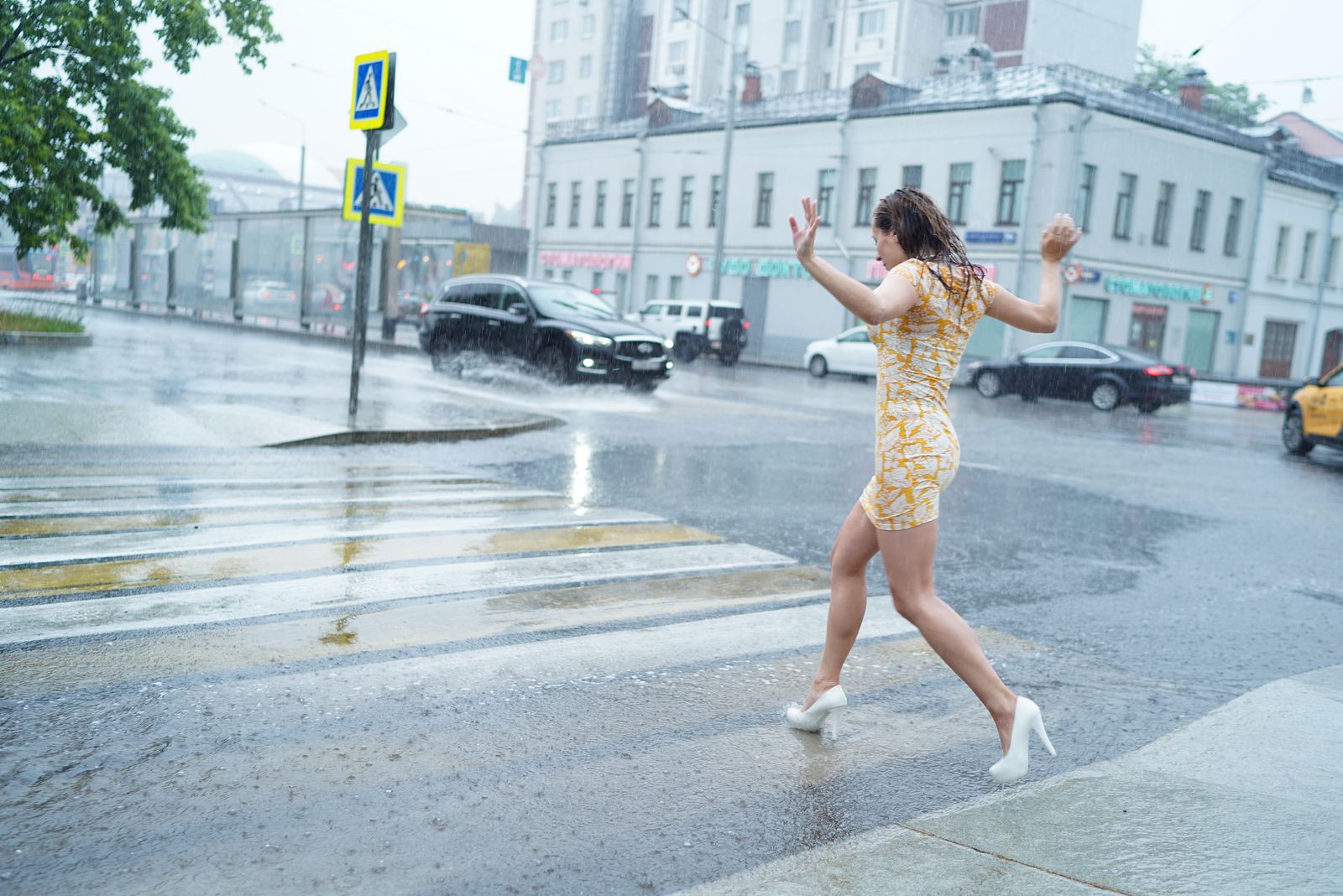
Photo by Vika Glitter on Pexels
| Factor | Mesh-lined | Unlined | |---|---|---| | Feel in warm rain | Cooler; air moves through the gap | Clammy once condensation forms | | Contact with damp shell | Mesh keeps the wet face off skin | Shell touches skin and clothing directly | | Dry-out speed after use | Faster; more surface area exposed to air | Slower; layers stay pressed flat | | Weight | Slightly heavier | Lightest option | | Packed size | Slightly bulkier | Smallest | | Comfort over bare arms | Good — no sticking | Poor — the shell clings | | Noise and drape | Softer, hangs better | Can feel stiff and papery | | Best use | Warm, humid rain; long wear; town-to-trail days | Emergency shell stashed for short bursts |
Why does an unlined shell feel clammy so quickly?
The sensation people describe as clamminess is mostly contact, not humidity. Both jacket types will collect some condensation on the inside of the shell when the air outside is warm and saturated, because breathable fabrics need a humidity difference between inside and outside to move vapor, and humid weather flattens that difference.
The difference is what happens to that condensation. In an unlined jacket there is nothing between the wet inner face and your forearms, so every arm movement drags damp fabric across skin. In a mesh-lined jacket the condensation stays where it formed and the mesh presents a dry, textured surface to your skin instead.
Sleeve length makes this worse or better. A short-sleeve shirt under an unlined shell is the clammiest combination there is. A thin long-sleeve base layer solves much of it, which is a reasonable workaround if you have already committed to an unlined jacket.
Does a lining hurt packability?
Slightly, and less than most people expect. A mesh knit is mostly air, so it adds modest weight and a small amount of bulk rather than transforming a packable jacket into a heavy one. The Waterproof Hooded Trench Coat is both mesh-lined and packable — it folds into its own pocket for travel — which is a useful demonstration that the two properties are not mutually exclusive.
Where the trade-off becomes real is at the extreme end of the weight spectrum. If the only requirement is the smallest possible object in a running vest, an unlined shell will win. For a jacket you actually wear for hours, the packed-size difference is measured in a small handful of cubic inches and the comfort difference is measured in whether you keep the jacket on. This comparison of packable rain jackets and traditional trench coats covers where packed size genuinely matters and where it is a distraction.
What else affects how cool a rain jacket runs?
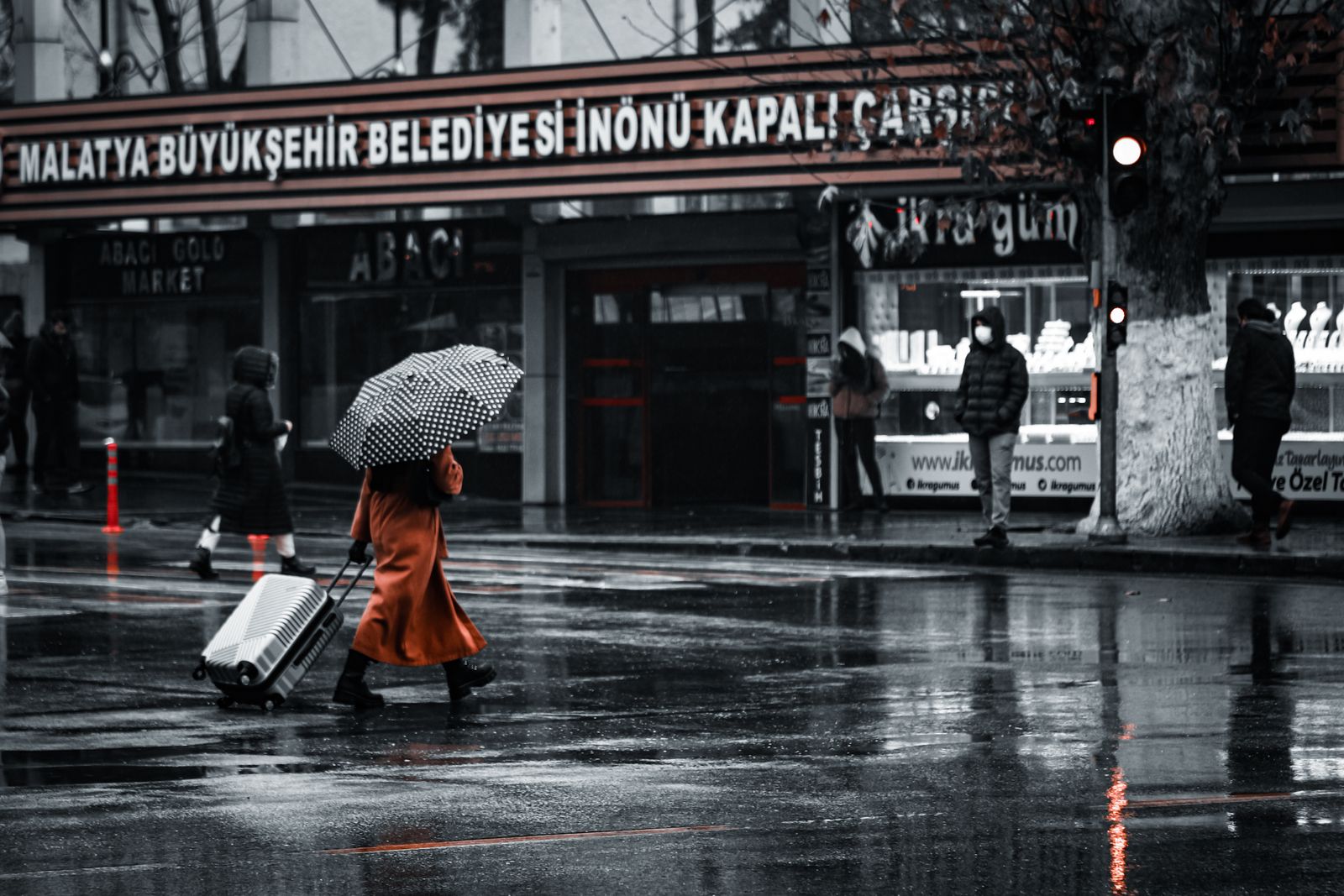
Photo by Emrah Yazıcıoğlu on Pexels
Lining is one input among several. Before choosing on lining alone, check these:
- Adjustable openings. A hood, waist, and cuffs you can loosen give you far more control over airflow than any fabric specification. Snap-button cuffs you can open and push up are a real venting tool.
- Length. A longer coat covers more of you, which means more area generating trapped air. Long coats need their airflow paths thought through more carefully than short ones, as this explanation of why breathable long coats fail sets out.
- Cut through the body. A shell with some room in it moves air. A skin-tight fit blocks the channel the mesh is supposed to create.
- Sealed seams. These keep water out at the joins, so you never have to over-tighten the jacket in defense against a drip.
- Sun protection. Summer weather flips between rain and glare. A UPF 50+ fabric that blocks 98% of harmful UV rays keeps the jacket useful after the shower passes, which means you are not carrying a second layer.
Which one should you buy?
Choose mesh-lined if you will wear the jacket for more than a few minutes at a time, your climate is warm and humid, you often wear short sleeves, you want the coat to look and hang like real outerwear, or you need one jacket that works for both a trail and a city street.
Choose unlined if the jacket's only job is to live compressed in a pack for rare emergencies, every ounce is being counted, and you accept that comfort is being traded away deliberately.
For most travelers and commuters, the mesh-lined option is the safer decision because it fails more gracefully. An unlined shell that turns clammy gets taken off, and a jacket in your hand is not protecting you from anything. The silhouette side of the same decision is covered in cinchable raincoat versus boxy jacket.
FAQ
Is a mesh lining the same as a "packable" liner or zip-out layer? No. A mesh lining is a fixed, non-insulating layer that manages airflow and skin contact. A zip-out liner is a removable insulating layer meant to add warmth. They serve opposite purposes, and a mesh-lined shell is not a warmer jacket.
Will an unlined jacket keep you drier because there is less material to get damp? No. Waterproofing comes from the outer fabric and the sealed seams, and both constructions can be equally waterproof. The lining affects how the inside of the jacket feels, not whether rain gets in.
Does a mesh lining make the jacket too warm for summer? Mesh adds almost no insulation. In practice it makes warm-weather wear more tolerable, not less, because it keeps the damp shell off your skin and gives rising air a route out.
How can two jackets be compared in a store when it is not raining? Put both on over a short-sleeve shirt, close them fully, and move your arms. Reach across your body and raise both arms overhead. The jacket where the shell does not drag across your forearms, and where you can feel air move at the hem when you flex, is the one that will behave better in warm rain.
A practical next step
Work out how long you will actually be wearing the jacket in a typical outing. If the honest answer is measured in hours rather than minutes — commuting, sightseeing, walking a trail and then eating lunch in town — buy the mesh-lined version and stop optimizing for packed size. Then check the adjustment points before committing: a hood you can tighten, a waist you can release on a climb, and cuffs you can open are what turn a good lining into a jacket that stays comfortable all day.
Cover photo by Jonathan Cooper on Pexels.