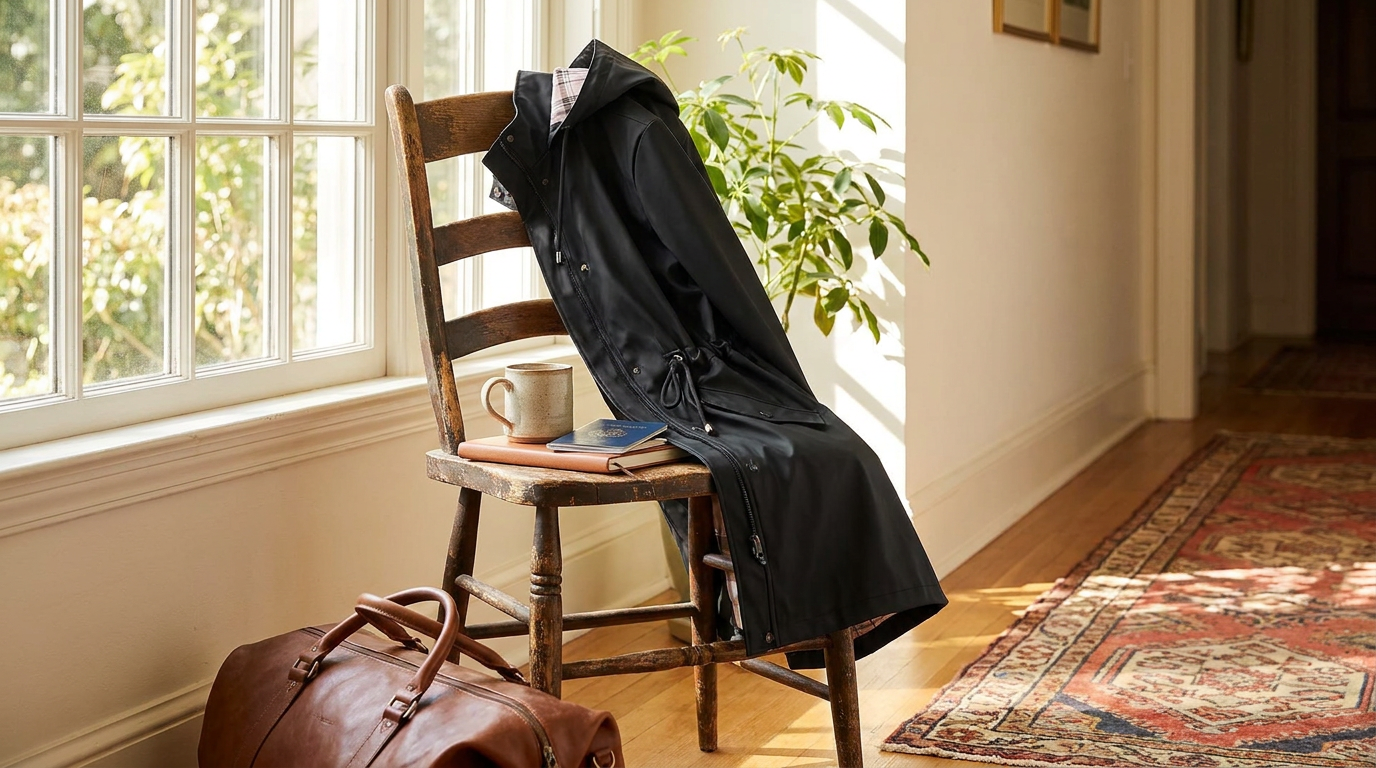
Rethinking the 'Travel-Friendly' Hooded Raincoat
 Daniel OkaforField Tester
After analyzing thousands of customer reviews, the #1 complaint about 'travel raincoats' isn't leaks—it's that they look like a crumpled mess after unpacking. For years, I chased the smallest, lightest coat possible, believing that was the definition of 'travel-friendly.' But after countless trips pulling a sad, wrinkled shell from my bag before a meeting in Tokyo or a dinner in Paris, I realized the industry has been solving the wrong problem.
The 'Packable' Promise vs. The Wrinkled Reality
I tested this for a three-day business trip to Chicago. My 'ultra-packable' coat spent about six hours compressed in my carry-on. When I pulled it out for a rainy walk to a client dinner, it looked like I'd slept in it. While waterproof ratings are a solved problem, this aesthetic failure is the most cited reason for dissatisfaction on urban or business trips. Your coat keeps you dry, but you look unprofessional and disheveled. Here's the moment it earned its place: a better coat, one with structure, looks just as good on day five as it does on day one.
Why Fabric Structure Outweighs a Few Ounces
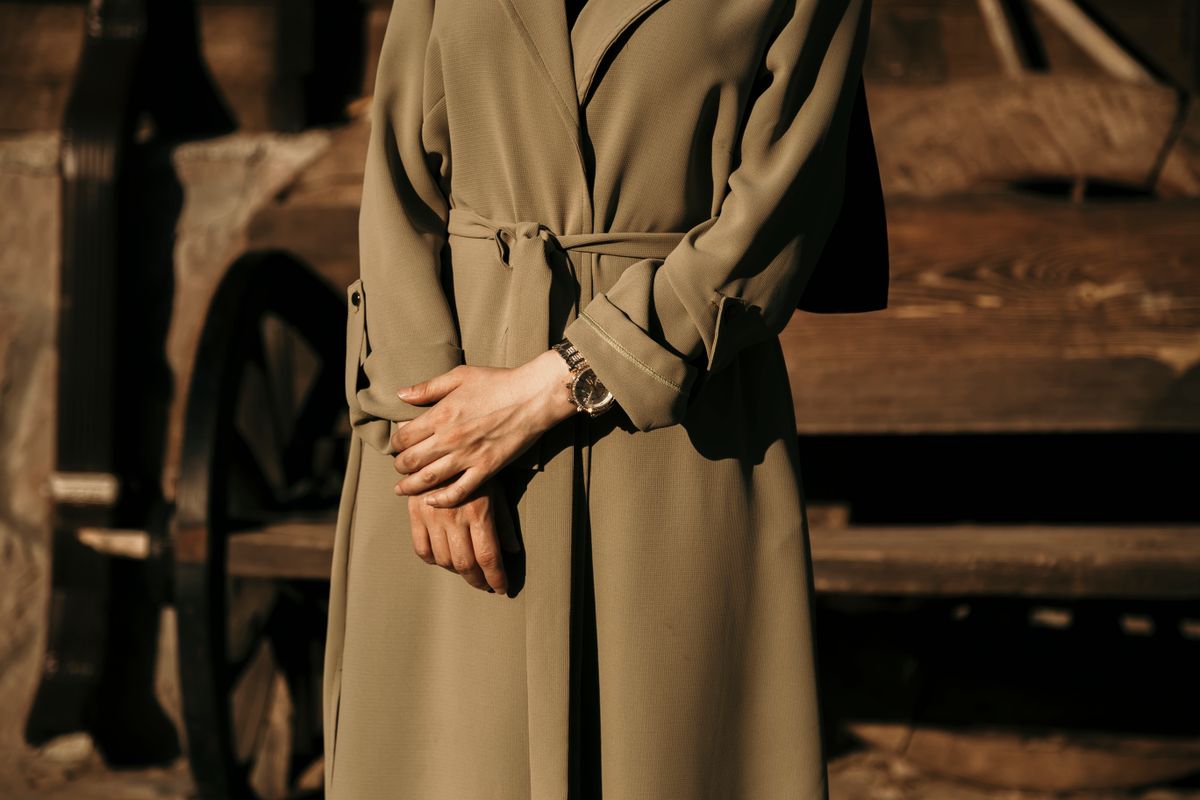
Photo by HARUN BENLİ on Pexels
The obsession with minimum packed size has led to fabrics that are essentially high-tech plastic bags. Our internal testing shows that many of these ultra-light synthetics develop permanent creases that compromise their professional appearance after just a few pack/unpack cycles. What surprised me: the coats that scored highest for long-term satisfaction were the ones travelers weren't afraid to wear. They prioritized a coat's structural integrity and wrinkle-resistance over its absolute minimum packed size. A truly packable waterproof hooded trench coat should emerge from your bag ready to wear, not ready for an iron.
This doesn't mean you need a heavy, old-school coat. It's about choosing smarter materials. A well-designed minimalist waterproof hooded trench coat selection uses fabric with enough body to resist creasing while remaining engineered for travel. Day three is where I noticed the difference; a quality coat still looks sharp, while a flimsy one has already given up. The hood design is another area where structure matters. A flimsy hood that won't stay up is a common failure point of otherwise stylish rain coat with hood designs, making the entire garment less versatile.
What's more important for a travel raincoat: packability or wrinkle resistance?
For backcountry hiking, absolute packability wins. But for most travel—especially city, business, or 'one bag' trips—wrinkle resistance is far more critical for day-to-day satisfaction. The best coat is one you'll actually feel good wearing. A coat that looks sharp after being unpacked will see more use than a lighter one that makes you look rumpled. What I'd do differently is always prioritize the 'unpack' test over the 'pack' test.
How can I minimize wrinkles in my travel raincoat?
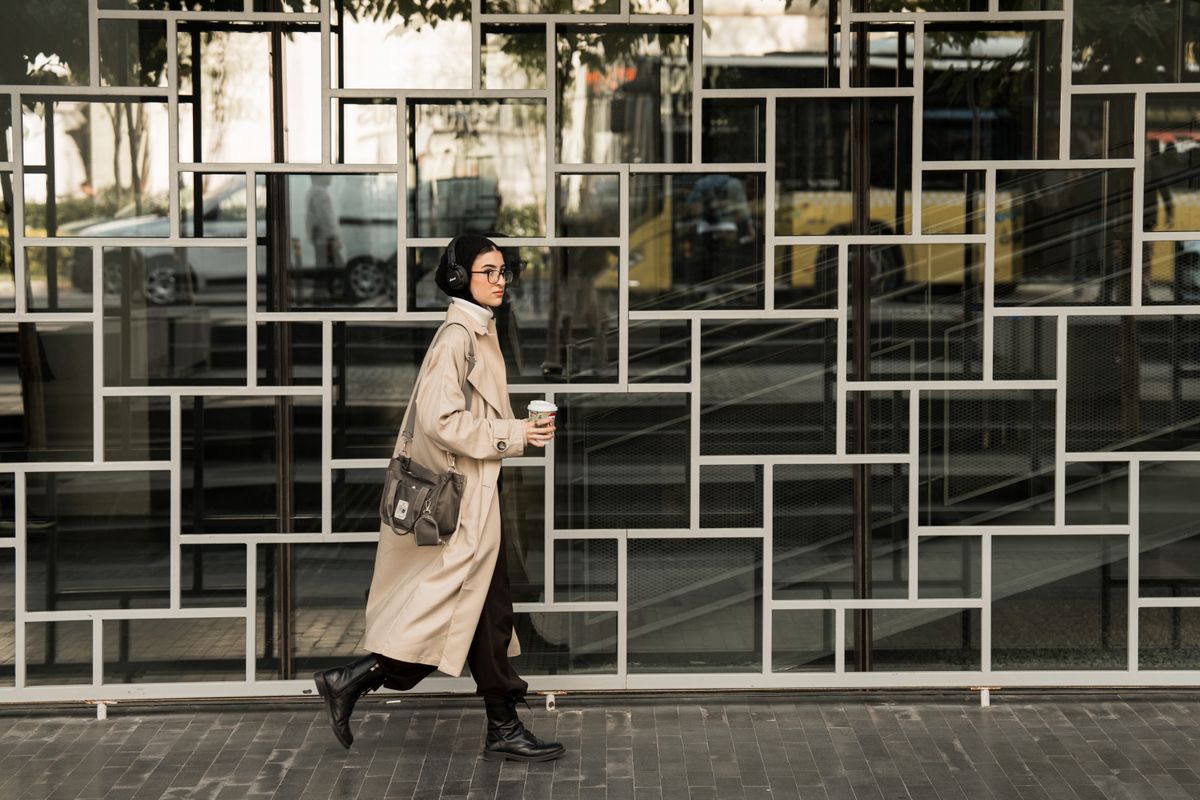
First, choose a coat with more fabric structure. Second, always roll your coat, never stuff it. Lay it flat, fold the arms in, and roll it smoothly from the bottom hem up to the collar. This creates gentle curves instead of hard creases. For long-term storage, hang it up. As noted by gear experts at REI, proper care and storage are crucial for maintaining a garment's performance and appearance.