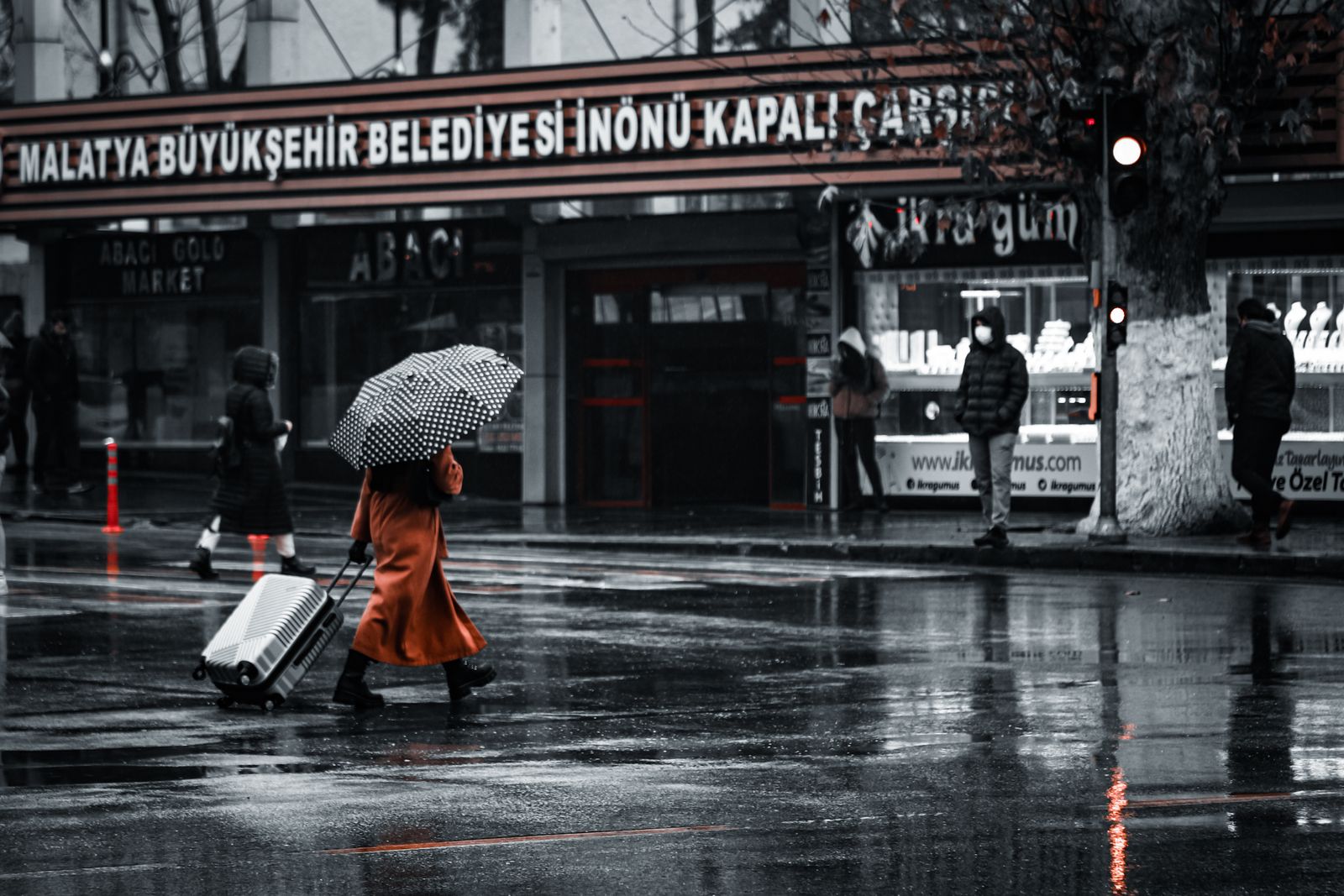
Packable Trench Coat vs. Rain Poncho: Which Is Better for City Sightseeing?
For city sightseeing, a packable trench coat is the better choice for most travelers, and a rain poncho wins only in narrow cases. The poncho is lighter, cheaper, and covers a backpack, but it flaps in wind, offers no shape, and looks out of place the moment you step into a café or a museum. A packable trench keeps rain off, adjusts to conditions, and reads as clothing rather than emergency equipment — which matters on a trip where most of the day is spent among people.
What is the real difference on a sightseeing day?
A sightseeing day is a specific pattern: several hours of walking, frequent stops indoors, unpredictable showers, and a lot of photographs. That pattern punishes gear that is awkward to take on and off, and it punishes anything that looks obviously like a rain measure.
A poncho is a single sheet with a hood and no fastenings, designed to be thrown over everything including a pack. A packable trench is a fitted garment with a hood, adjustable waist, sealed cuffs, and pockets, designed to be worn continuously. The poncho optimizes for coverage per ounce. The trench optimizes for wearing it all day.
Side-by-side comparison
| Factor | Packable trench coat | Rain poncho | |---|---|---| | Wind performance | Good; closes at waist and cuffs | Poor; lifts and flaps | | Appearance in a restaurant or museum | Reads as a coat | Reads as emergency gear | | Covers a backpack | No | Yes | | Ventilation | Controlled via cuffs, waist, hood | Very high, but uncontrollable | | Leg coverage | Good on a long cut | Good, but only when hanging still | | Secure storage for phone and wallet | Zippered pockets | None, or unsecured | | Packed size | Small; folds into its own pocket | Very small | | Ease of putting on while walking | Moderate | Fast | | Warmth in cool weather | Blocks wind, layers well | Almost none once wind lifts it | | Sun protection | Available in UPF-rated fabric | Limited, inconsistent coverage | | Photograph-friendly | Yes | Rarely |
When does a poncho actually win?
Three situations, and they are real:
- You are carrying a large backpack you cannot get wet. A poncho covers pack and person together. No jacket does this.
- You need something in a bag for a rare emergency and nothing else. If the jacket's only job is to exist unused for a week, minimum weight is the only metric that matters.
- Extreme heat with heavy rain and no wind. The uncontrolled airflow under a poncho is genuinely cooling in a tropical downpour, and appearance may not matter on a jungle path.
Why does silhouette matter so much for city travel?
Because sightseeing is a social activity, not a wilderness activity. You are entering restaurants, churches, galleries, and shops, and you are in most of the photographs from the trip. Gear that reads as functional-only makes you look permanently mid-emergency.
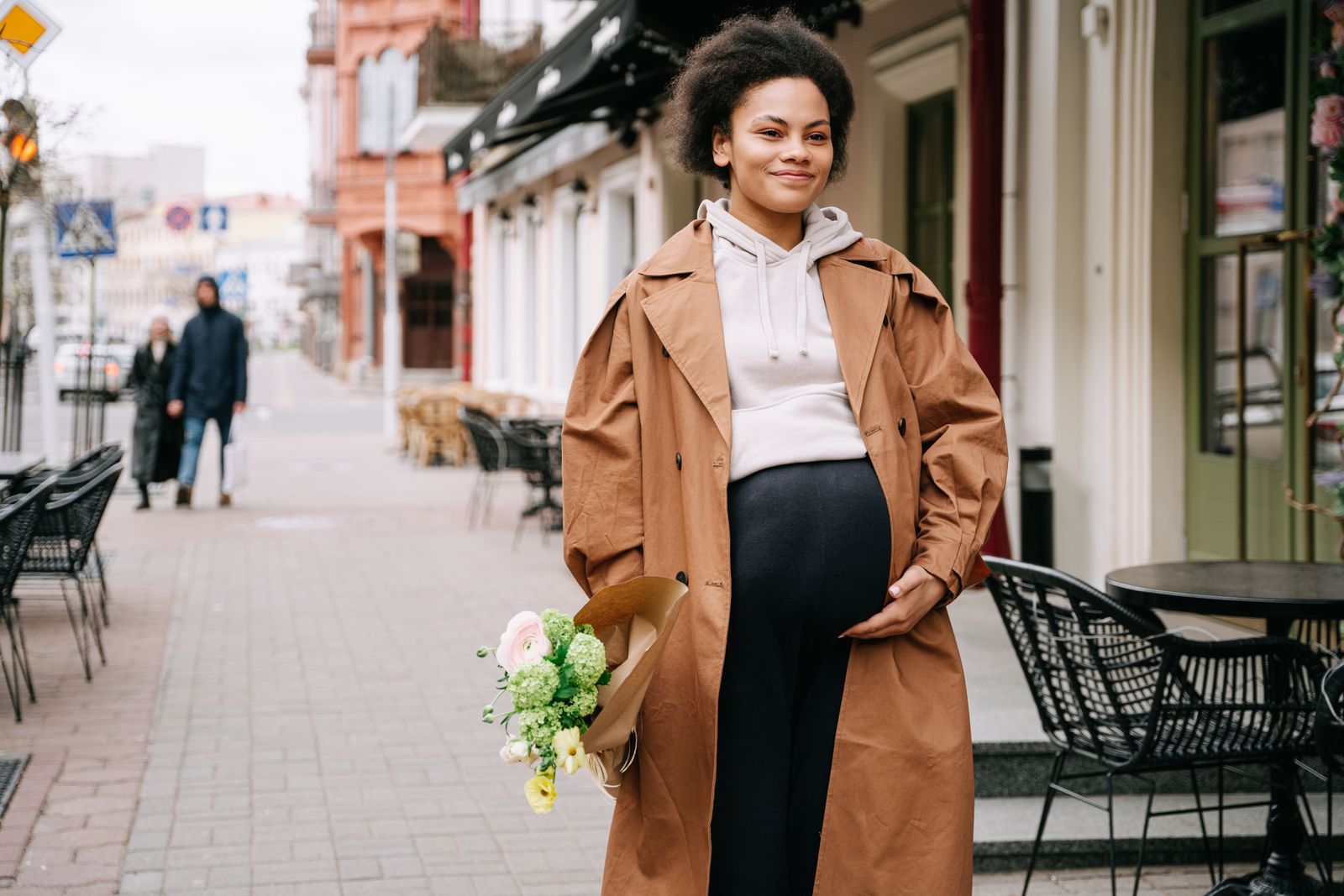
A trench shape is long and clean with a defined waist, which is why it reads as a coat rather than as rainwear. The Waterproof Hooded Trench Coat leans on that: a cinchable waist creates a flattering, feminine silhouette, while an adjustable drawstring hood and snap-button cuffs handle the weather side. The result is a garment you can keep on indoors without looking under-dressed. The broader case for a defined waist over an unstructured cut is made in cinchable raincoat versus boxy jacket.
What about weight and packed size?
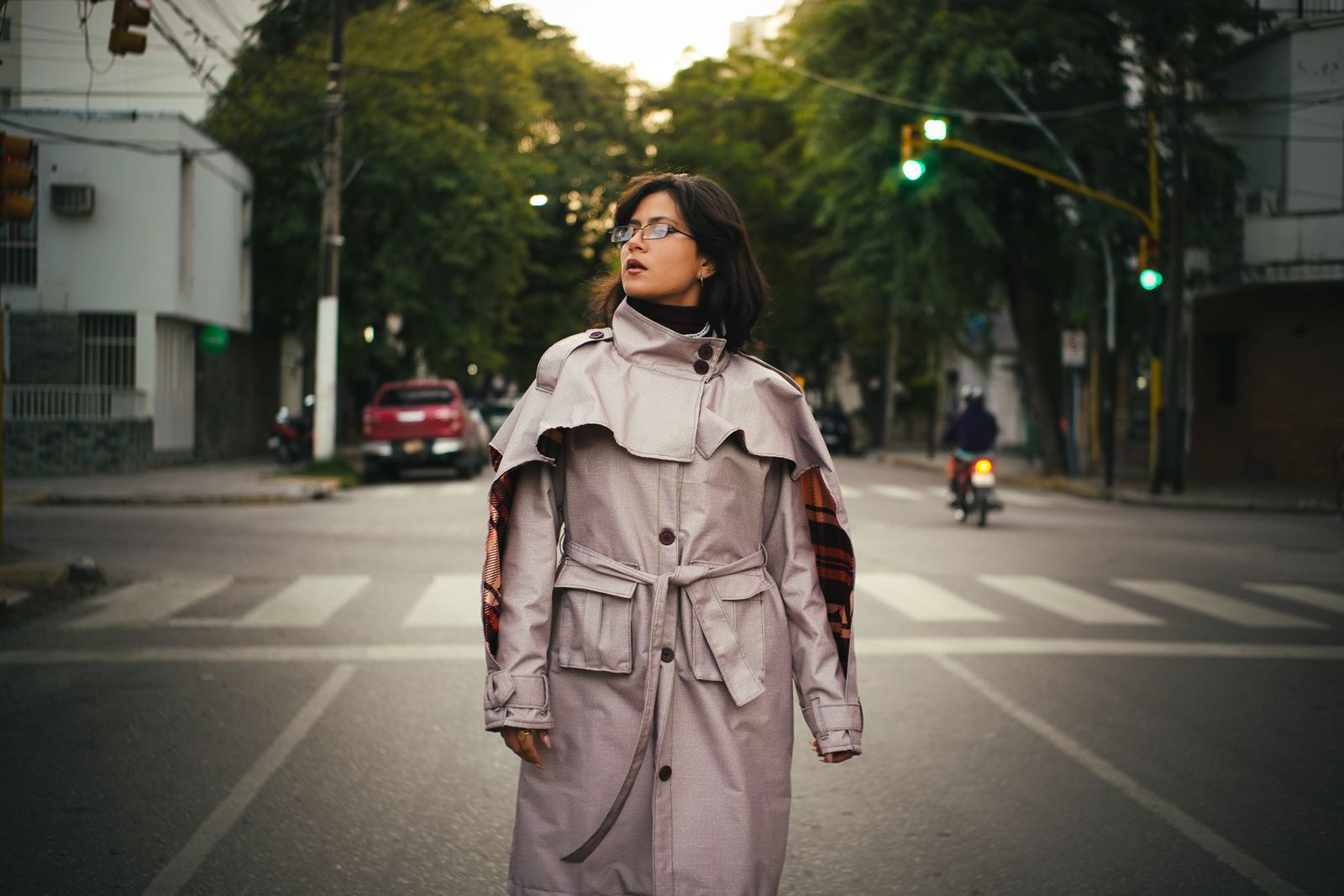
Photo by Fernando Villa on Pexels
A poncho is lighter. That is genuinely true and mostly irrelevant on a city trip, where you are walking on pavement with a day bag rather than counting grams on a multi-day trail.
What matters more is whether the item deploys easily and stows without ceremony. A trench that folds into its own pocket goes into a tote, a daypack, or a large handbag with no stuff sack needed, and comes out without becoming a wrinkled ball. A poncho packs smaller but has to be shaken out, pulled over your head, and — critically — dried and repacked while wet, usually against everything else in the bag.
The trade-off between weight and usability is examined at length in this comparison of packable rain jackets and traditional trench coats.
What should a sightseeing rain layer do?
- Close at the waist and cuffs, so wind-driven rain does not get underneath.
- Have an adjustable hood that stays put when you turn your head to look at something, which is most of what you do while sightseeing.
- Include secure pockets. Two deep zippered pockets mean phone, cards, and transit pass stay with you in a crowd.
- Vent under control. A breathable mesh lining plus openable cuffs let you dump heat without exposing yourself to rain.
- Pack into itself. A garment with its own home does not get crushed or forgotten.
- Handle sun as well as rain. A UPF 50+ fabric that blocks 98% of harmful UV rays keeps the layer useful on the bright half of the day.
- Look like clothing. If you would not wear it into a restaurant, you will end up carrying it.
FAQ
Is a poncho better for a European city trip because it packs smaller? Rarely. European city trips involve wind off streets and squares, frequent indoor stops, and a lot of walking among people, and a poncho performs badly on all three. Packed size differences are small compared with how much more usable a fitted coat is over a full day.
Can a poncho be worn over a fitted coat in heavy rain? You can, but the combination is usually unnecessary. A waterproof shell with sealed seams already handles heavy rain; adding a poncho over it mostly adds bulk and traps heat. The exception is covering a large pack.
Which is better for carrying camera equipment? A poncho if the equipment is in a large pack that must stay dry. A coat with zippered pockets if you are carrying a small camera you want quick access to, since a poncho makes reaching anything awkward and exposes it to rain each time you do.
Does a trench coat get too warm for summer sightseeing? Not if it is built for airflow. A ventilating mesh lining, openable cuffs, and a waist you can release cover most warm-weather situations, and a packable coat can come off entirely between showers.
A practical next step
Decide based on what you carry, not on what weighs less. If a large backpack has to stay dry, pack a poncho and accept how it looks. If you are walking a city with a day bag, choose the packable coat and spend your attention on the details that decide comfort: whether the hood holds position when you turn your head, whether the cuffs seal and open easily, and whether the waist cinches without bunching. Those three checks predict how the day feels far better than any weight figure.
Cover photo by Emrah Yazıcıoğlu on Pexels.