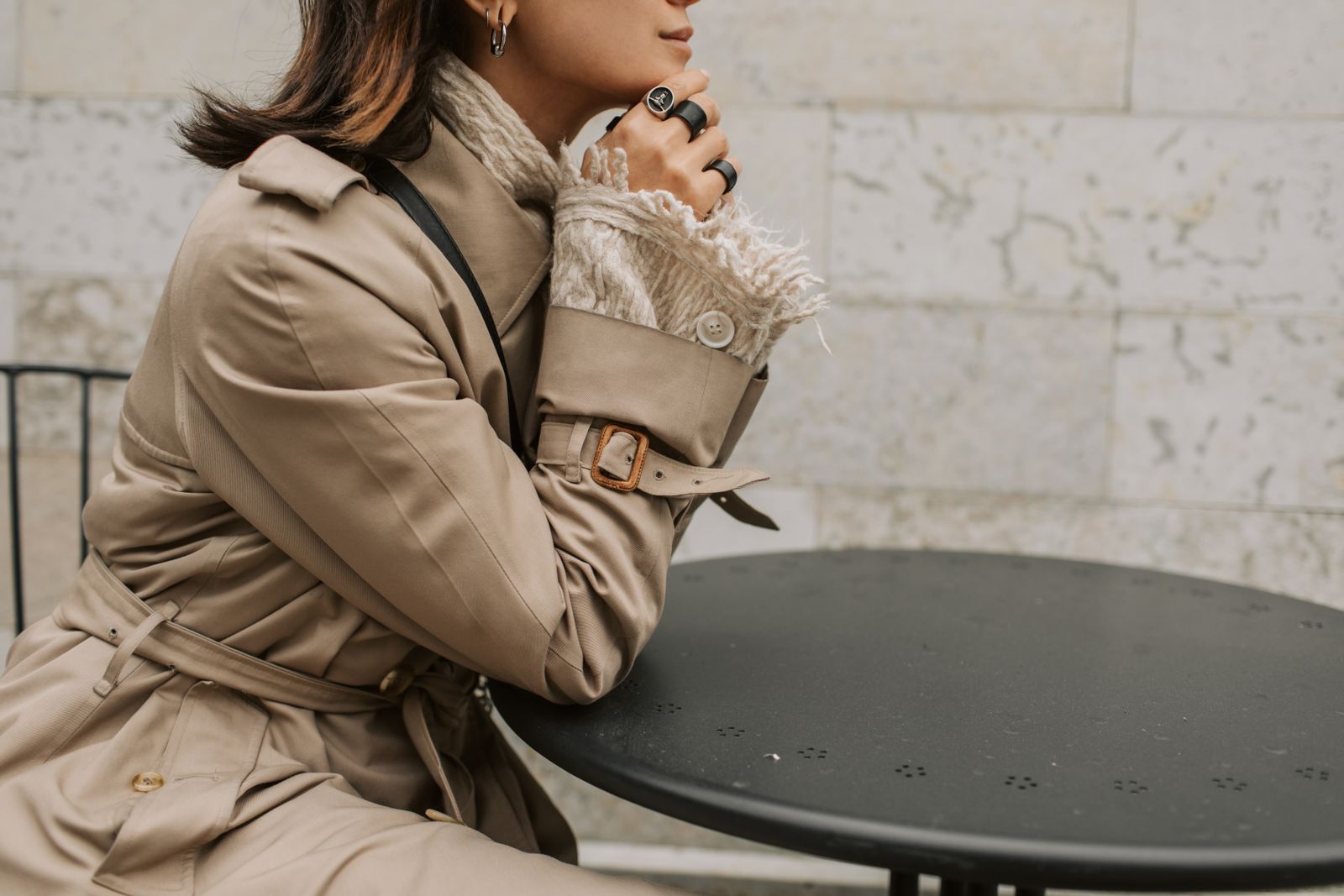
Packable Trench Coat vs Rain Poncho for Travel: Which Is Better?
Should you sacrifice weather protection, wind resistance, and style for a disposable poncho, or pack a tailored trench coat built for all climates? For active travel, a packable trench coat far outperforms a rain poncho. While ponchos offer quick emergency coverage, they fail dramatically in wind, trap body heat, lack UPF sun protection, and look out of place in cities. A packable UPF 50+ trench coat provides windproof sealed-seam rain protection, mesh cooling, and compact packability in one sleek layer.
Scenario-Based Performance Matrix
| Travel Scenario | Standard Rain Poncho Failure Mode | Packable Trench Coat Performance | Ideal Choice |
| --- | --- | --- | --- |
| High-Wind Coastal Sightseeing (20+ mph gusts) | Flaps violently like a sail, blowing upward and exposing arms, body, and bag to blowing rain. | Snap-button cuffs, cinchable waist, and adjustable drawstring hood seal out wind and horizontal spray completely. | Packable Trench Coat |
| Warm, Humid Tropical Downpours (75°F+) | Unvented plastic creates an internal sauna; sweat condensation leaves you as wet inside as outside. | Breathable inner mesh lining allows body heat and vapor to escape while fully sealed seams keep rain out. | Packable Trench Coat |
| Intermittent Sun & Rain (Rapid Weather Changes) | Offers 0 UV defense; dark or thin plastic absorbs solar heat, requiring frequent garment changes. | Built-in UPF 50+ fabric blocks 98% of UV rays, providing seamless sun protection when rain stops. | Packable Trench Coat |
| Urban Dining & Evening City Streets | Shapeless, crinkly plastic silhouette looks sloppy and unsuited for restaurants, museums, or upscale cafes. | Tailored silhouette with cinchable waist delivers a modern, elegant urban look that dresses up or down. | Packable Trench Coat |
| Carry-On Packing & Airport Travel | Low-grade folded plastic tears after 1-2 uses, turning into non-recyclable luggage waste. | Lightweight technical fabric folds into its own self-stow pocket, taking up minimal luggage volume. | Packable Trench Coat |
Here is how a packable trench coat compares against a standard travel rain poncho across real-world weather scenarios.
Trade-Off Breakdown: Rain Poncho vs. Packable Trench Coat
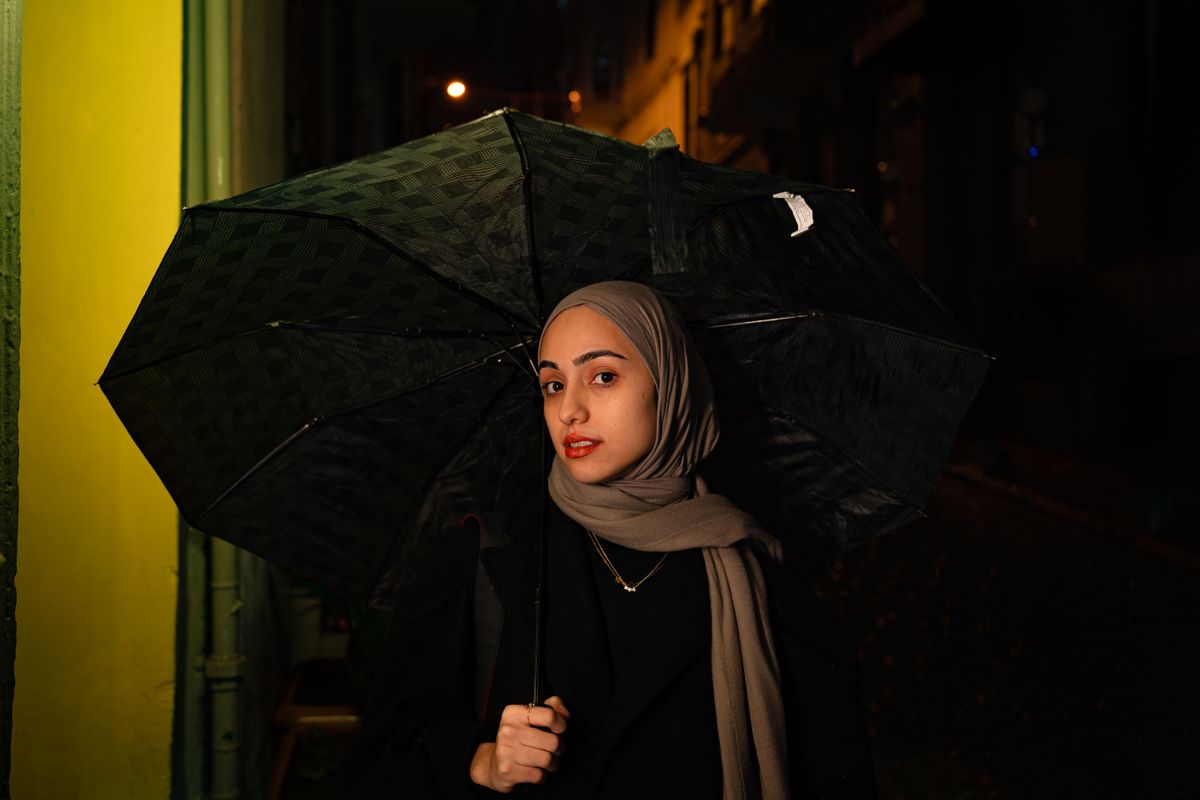
Photo by Oktay Köseoğlu on Pexels
Pros
- Packable Trench Coat: UPF 50+ sun protection blocks 98% of harmful UV rays during multi-climate outings.
- Packable Trench Coat: Fully waterproof outer shell with heat-sealed seams prevents leak-through in downpours.
- Packable Trench Coat: Breathable mesh lining eliminates sweat buildup in humid environments.
- Packable Trench Coat: Adjustable waist drawstring and snap cuffs provide a flattering silhouette and storm protection.
- Packable Trench Coat: Folds into its own integrated pocket for effortless carry-on storage.
- Rain Poncho: Extremely inexpensive for single-use emergency situations.
- Rain Poncho: Acts like a sail in moderate breezes, leaving torso and arms exposed.
- Rain Poncho: Non-breathable plastic creates intense internal humidity and sweat.
- Rain Poncho: Zero UV protection under scattered cloud cover or post-rain sunshine.
- Rain Poncho: Fragile seams rip easily around arms and neck entry.
- Packable Trench Coat: Higher initial investment than disposable emergency rain gear.
Our Recommendation for Versatile Travel
If your trip involves more than a single afternoon, spans diverse weather conditions, or takes you through urban streets and scenic trails, skip disposable plastic ponchos. Choose a Waterproof Hooded Trench Coat. It delivers complete storm protection, UPF 50+ solar shielding, and refined urban style — all folding into a compact parcel that fits inside your carry-on daypack.
Decision Tree: Which Travel Outerwear Do You Need?
- Is your trip longer than 1 day or expecting wind over 10 mph? → Yes: Go to Question 2. No: Emergency rain poncho acceptable for brief indoor-to-outdoor transit.
- Will you experience shifting weather with both UV sun exposure and rain? → Yes: Go to Question 3. No: Standard waterproof rain jacket acceptable.
- Do you need lightweight carry-on packability combined with city-to-trail style? → Yes: Choose the Packable UPF 50+ Waterproof Trench Coat.. No: Heavyweight technical mountain shell.
How to Pack Your Trench Coat for Travel Efficiency
Follow these steps to stow your trench coat neatly into its self-packing pocket without creating permanent fabric wrinkles:
Key Takeaways: At a Glance
Core points to remember when evaluating travel rainwear:
Technical Specification Matrix
| Feature / Specification | Disposable / Reusable Rain Poncho | Waterproof Hooded Trench Coat |
| --- | --- | --- |
| Fabric Material | 0.10mm PEVA or Thin Vinyl Plastic | Hydrophobic Technical Polyester + Breathable Mesh |
| Seam Construction | Heat-welded basic seams (prone to splitting) | Fully sealed waterproof tape over stitched seams |
| Sun Protection (UPF) | None (0% UV blockage) | UPF 50+ (Blocks 98% of UVA/UVB rays) |
| Wind Resistance | Low (Open sides flap open in 10+ mph winds) | High (Cinchable waist, snap cuffs, adjustable hood) |
| Breathability & Vents | Non-breathable sheet plastic (traps humidity) | Breathable inner lining + vapor-permeable shell |
| Storage & Packability | Loose fold or bulky plastic pouch | Self-stowing integrated zip pocket system |
| Pockets & Security | None or open hand slots | Two deep zippered security pockets for phone/passport |
A side-by-side technical breakdown of material, construction, and functional parameters.
Decision Support: Matching Outerwear to Your Destination
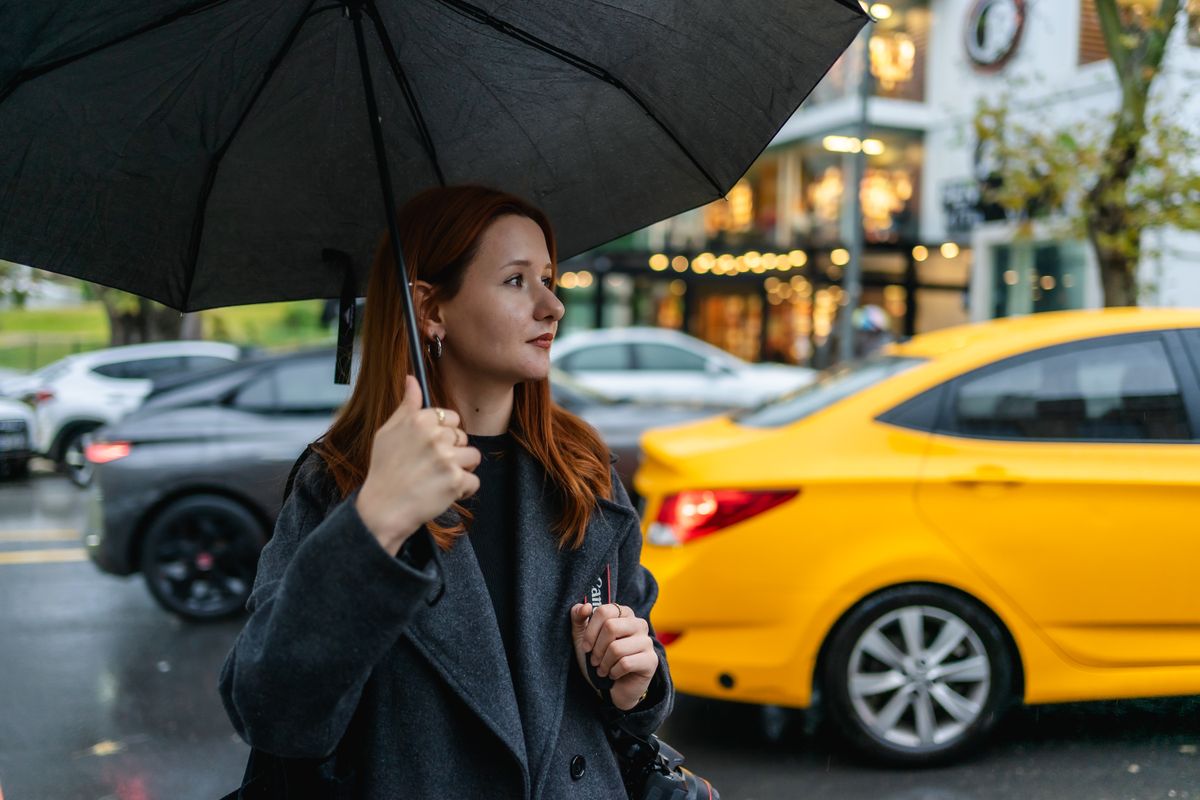
Photo by Beyzanur K. on Pexels
While disposable rain ponchos serve a minor emergency role for short stadium visits or theme parks, a packable UPF 50+ trench coat is the definitive choice for active, multi-climate trips where wind protection, sun defense, breathable comfort, and tailored aesthetics matter.
Best choice for
- Packable UPF 50+ Trench Coat — Handles windy historic streets, coastal breezes, sudden cloudbursts, and upscale dining without changing outfits.
- Packable UPF 50+ Trench Coat — Combines breathable mesh ventilation to stop sweat with UPF 50+ coverage for intense tropical UV rays.
- Standard Rain Poncho — Cheap option if wind is zero, aesthetic doesn't matter, and gear can be discarded afterward.
- Avoid rain ponchos if traveling anywhere with winds over 10 mph, as open side seams cause fabric to blow up and expose your clothes.
- Avoid plastic ponchos in high humidity or temperatures above 70°F, where severe internal condensation occurs within minutes.
- Avoid unlined heavy rain jackets if carry-on packing space and weight are strictly limited.
- Heavy Alpine Hardshell — Best for high-altitude mountain climbing, but far too stiff, bulky, and hot for casual travel and city commutes.
Featured Travel Solution
Designed for female travelers who refuse to let unpredictable weather disrupt their itineraries, the Waterproof Hooded Trench Coat blends functional outerwear engineering with timeless urban styling.
Real-World Travel Scenarios: Where Ponchos Fail
Windy Coastal Promenades (e.g., Ireland, Pacific Northwest, Mediterranean Coast) — Ponchos flap uncontrollably in coastal breezes, blowing back over your shoulders and exposing your outfit to rain. A trench coat uses snap-button cuffs, a waist drawcord, and a contoured hood to create an impenetrable wind-and-water seal.
Transitioning from Cloudburst to Afternoon Sun — When rain clears in high-altitude or tropical zones, UV radiation spikes instantly. A poncho offers zero UV resistance, forcing you to strip off gear and find sun protection. A UPF 50+ trench coat shields your skin against 98% of harmful UV rays seamlessly throughout weather shifts.
Urban Sightseeing & Museum/Restaurant Entry — Walking into a museum cafe or boutique drenched under a dripping sheet of crinkly plastic feels clunky and unpolished. A tailored trench coat sheds outer droplets instantly and looks like an intentional, high-end fashion piece.
Real travel weather rarely consists of a gentle, straight-down rain shower. Here is how emergency ponchos break down under true destination conditions.
The Hidden Failure Modes of Travel Rain Ponchos
When preparing for a vacation or business trip, it is tempting to throw a $5 plastic poncho into your luggage and call it a day. However, travel weather rarely plays by ideal rules. The primary flaw of standard rain ponchos lies in their structural design: open sides and unshaped fabric turn the garment into a sail during moderate winds. A 15 mph wind breeze along a lakefront or historic city square easily pulls a poncho upward, exposing your legs, waist, and personal bag to heavy downpours.
Furthermore, standard plastic or cheap synthetic ponchos possess zero moisture vapor permeability. As your body generates heat while walking through airports, cobblestone streets, or mountain trails, water vapor gets trapped against your skin. Within twenty minutes, sweat condensation saturates your clothes underneath, defeating the entire purpose of wearing rain protection.
Why Integrated UPF 50+ Protection Is Essential for Travel
Many travelers assume sun protection is only necessary on bright, clear days. However, atmospheric research confirms that up to 80% of solar UV radiation penetrates cloud cover and rain clouds. During multi-climate trips, weather often cycles rapidly between rainy overcast conditions and intense direct sunlight.
Wearing standard rain gear leaves your neck, shoulders, and arms vulnerable to invisible UV damage during daylight cloudbursts. A multi-functional garment engineered with UPF 50+ sun protection blocks 98% of UVA and UVB rays. This dual capability eliminates the need to carry both a sun jacket and a heavy rain coat, streamlining your carry-on capsule wardrobe.
Sealed Seams vs. Welded Plastic: The Waterproofing Reality
Waterproofing performance is defined by how fabric seams are constructed. Cheap ponchos utilize low-grade heat welding on thin plastic sheets. Under stress — such as slinging a crossbody purse or backpack over your shoulders — these welded seams stretch, crack, and tear open.
In contrast, a high-performance Waterproof Hooded Trench Coat features fully sealed seams. Every stitched seam is fortified on the interior with waterproof tape applied under precise heat and pressure. This prevents moisture from seeping through needle holes even during prolonged, heavy downpours.
Travel Versatility: From Hiking Trails to Fine Dining
One of the greatest challenges of travel packing is item versatility. Outerwear must perform seamlessly on a muddy nature walk while looking elegant enough for an evening dinner in the city. A trench coat silhouette with an adjustable waist drawstring allows you to cinch the midsection for a tailored, feminine fit, or loosen it to layer over light sweaters in cooler climates.
Related Outerwear Guides & Resources
Explore additional travel rainwear guides to optimize your packing strategy:
- The Ultimate Tropical Rainwear Buying Guide: Staying Dry & Cool in High Humidity
- How to Pack a Waterproof Trench Coat for Carry-On Travel Without Damage
- Do Rain Jackets Need UPF Protection? How UV-Blocking Waterproof Outerwear Works
Frequently Asked Questions
Answers to common questions about packable travel trench coats, sun defense, and seam construction.
Next Steps for Your Travel Wardrobe
Your decision: Choose a packable UPF 50+ trench coat over a disposable rain poncho for any trip lasting more than a single day or involving wind, sunshine, and urban activities.
Do this next: Select your preferred color and size in the Waterproof Hooded Trench Coat to secure complete sun and rain defense that folds compactly into your carry-on.
- Read next: The Ultimate Tropical Rainwear Buying Guide: Staying Dry & Cool in High Humidity
Waterproof Hooded Trench Coat (UPF 50+, Breathable Mesh, Packable)
Upgrade your travel protection with a single coat that handles rain, wind, and sun effortlessly.
Cover photo by Vlada Karpovich on Pexels.