
The Hooded Trench Wins Rainy Commutes, Not Mountain Storms
 Sam VasquezBuying Guide Lead
A hooded waterproof trench coat gives roughly 12–18 inches more rain coverage below the waist than a typical hip-length rain shell, and that single measurement changes the whole commuting equation. I do not think of it as “dressier rain gear.” I think of it as a coverage tool: more fabric over thighs, suit jackets, tote bags, and the seat of your pants when you sit on a damp train bench.
That said, the hooded trench is not the winner in every wet-weather comparison. A technical rain shell is usually better for uphill walking, hiking, and high-output travel. A classic cotton trench can look sharper but usually loses when rain lasts longer than a quick dash from car to door. An umbrella is excellent until wind, crowds, or a free hand become part of the test.
Here is the comparison framework I use when evaluating a Waterproof Hooded Trench Coat against the alternatives most buyers are considering.
The real comparison is not “waterproof or not”
Most shoppers ask, “Is it waterproof?” That is the wrong first question. In the field, rainwear performance breaks into five competing metrics:
A trench coat can outperform a shell on coverage while losing on ventilation. A shell can have superb lab waterproofing while leaving your thighs soaked. An umbrella can keep your upper body dry while failing at the side-rain problem. The useful answer depends on your route.
My field comparison: four rain setups on the same commute
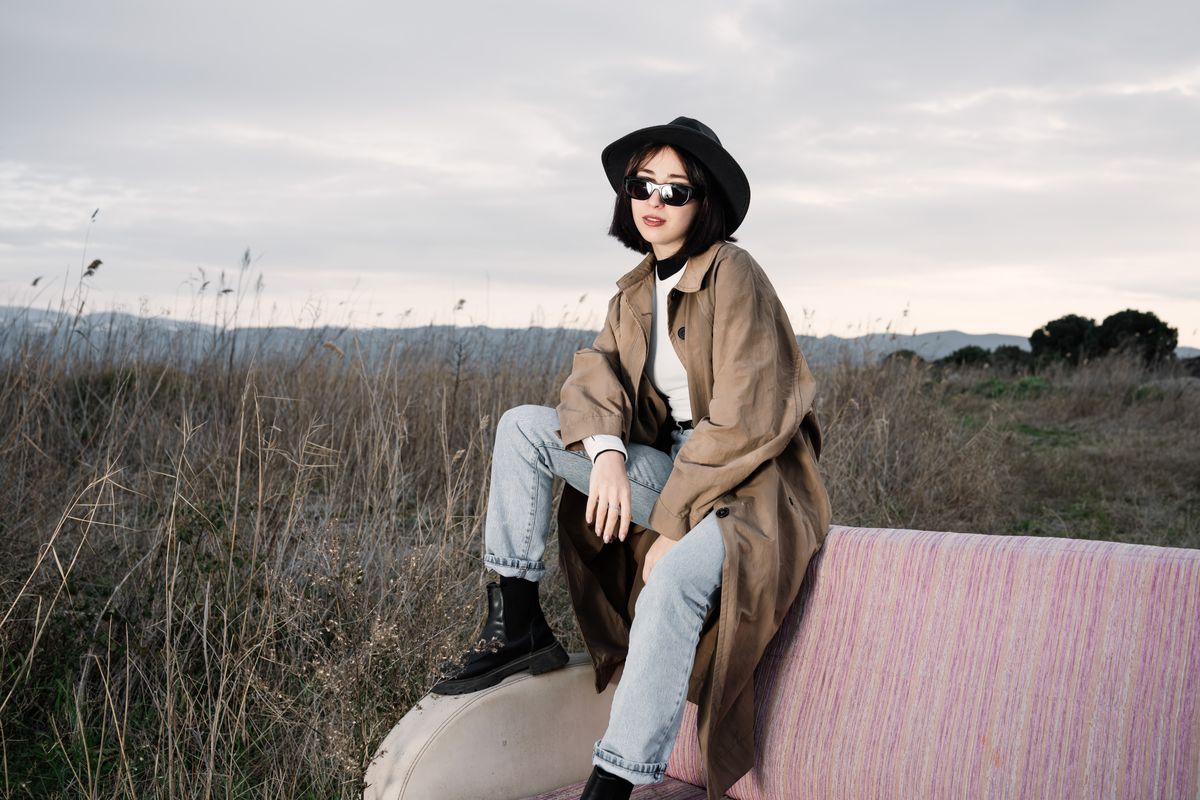
I compared four common wet-weather setups over a 1.7-mile city commute: a waterproof hooded trench, a hip-length 2.5-layer rain shell, a traditional cotton-blend trench with water-repellent finish, and a compact umbrella over normal clothes. The point was not to crown one universal winner; it was to see where each failed first.
Conditions varied across wet mornings and evenings: light rain, steady rain, gusts, bus-stop waiting, and walking speed around 3 mph. I tracked practical outcomes: visible wetting, hem coverage, heat buildup, hand usability, and whether the setup worked with work clothing underneath.
| Setup compared | Approx. body coverage | Rain failure point observed | Comfort tradeoff | Where it won | |---|---:|---|---|---| | Waterproof hooded trench coat | Mid-thigh to knee; about 32–40 in. back length | Cuffs and face opening before main fabric | Moderate warmth; better if vented or worn open briefly | Urban commuting, work outfits, windy drizzle | | Hip-length rain shell | Hip; about 26–29 in. back length | Pants/thighs wet first | Better during fast walking; less fabric heat | Active walking, travel packing, trails | | Classic cotton-blend trench | Mid-thigh to knee | Fabric darkening and wet-out in sustained rain | Comfortable at first; heavy when wet | Style, brief showers, dry-to-light rain transitions | | Compact umbrella | Depends on wind angle; upper body only | Side rain, wind inversion, crowded sidewalks | Coolest option; one hand occupied | Warm rain, short walks, no wind |
The most non-obvious result was this: on a mixed walking-and-transit commute, the waterproof hooded trench did not need the highest waterproof rating to feel drier. It needed enough waterproofing plus more coverage. The shell may be more technical, but exposed thighs are exposed thighs.
What lab standards tell us — and what they miss
Waterproof claims are often backed by test methods, but the numbers are easy to misread.
The common lab concept is hydrostatic pressure: how tall a column of water the fabric can resist before water penetrates. ISO 811 describes a hydrostatic pressure method for textile fabrics. You will often see ratings such as 1,500 mm, 5,000 mm, 10,000 mm, or 20,000 mm.
A practical rule of thumb:
- 1,500 mm: often considered a lower threshold for rain resistance.
- 5,000 mm: useful for ordinary rain and commuting if seams and design are good.
- 10,000 mm: strong rain protection for longer exposure.
- 20,000 mm+: common in technical outerwear aimed at severe weather or snow.
Water repellency is different. The AATCC TM22 spray test, for example, evaluates surface wetting by spraying water on fabric and rating how much sticks or wets the face. That matters because when a fabric “wets out,” it can feel clammy and stop breathing well even if the waterproof layer underneath has not technically leaked.
Air permeability is another variable. ASTM D737 measures the rate of air flow through textile fabrics. For rainwear, too much air permeability can mean wind-driven rain gets in; too little can mean sweat vapor has nowhere to go. This is where many stylish coats struggle: they are sealed enough to block rain but not engineered enough to dump heat.
Hooded trench vs rain shell
This is the comparison that matters most for buyers deciding between style and performance.
A rain shell is essentially a short technical barrier. It is usually lighter, easier to pack, and better for movement. The hood is often more adjustable. Pit zips or mechanical vents are more common. If you climb hills, bike hard, carry a backpack, or travel with one small bag, the shell makes sense.
A waterproof hooded trench coat is a longer urban barrier. It protects more of your outfit and looks less like trail gear. The belt or straight cut gives it structure over workwear. The hood solves the classic trench problem: a traditional trench often expects you to carry an umbrella.
My scoring for a normal weekday commute:
- Coverage: hooded trench wins.
- Packability: shell wins.
- Breathability under exertion: shell wins.
- Workwear compatibility: hooded trench wins.
- Wind plus sidewalk spray: hooded trench wins by protecting the lower body.
- Backpack use: shell often wins because long coats can bunch under pack straps and hip belts.
Hooded trench vs classic trench
The classic trench coat has military roots and a timeless look, but many versions are not truly waterproof. Cotton gabardine and cotton-blend trenches can shed light rain when treated, yet sustained rain eventually overwhelms the surface. Once the face fabric absorbs water, the coat gets heavier and colder.
The hood is the other difference. A classic trench without a hood assumes an umbrella or hat. That is fine in gentle rain. It is annoying in crosswind, with luggage, or when you need one hand for a phone, dog leash, child, coffee, or transit card.
A waterproof hooded trench gives up a little of the crisp heritage feel but gains independence. You do not need to coordinate a separate umbrella. For buyers who actually walk in rain rather than just appear in it, that is a fair trade.
Hooded trench vs umbrella
The umbrella is underrated in warm rain. It ventilates better than any waterproof coat because it is not wrapped around you. In summer, an umbrella plus breathable clothes can be more comfortable than sealed rainwear.
But umbrellas fail in three predictable ways:
A hooded trench is not as cool as an umbrella, but it is more hands-free and more reliable in moving crowds. If you commute in a dense city, that difference matters.
My take: buyers overpay for extreme waterproof ratings
My take: For urban commuters, a 20,000 mm waterproof rating can be less valuable than a well-designed hood, sealed critical seams, a storm flap, and enough length to cover the thighs.
Counter to what you will read in many technical gear discussions, I do not think most coat buyers should chase the highest hydrostatic head number. Those numbers matter in alpine rain, sitting on wet ground, kneeling in snow, or wearing a loaded backpack that creates pressure points. But for a trench used on sidewalks, the common weak spots are usually not the center of the back panel. They are the front closure, cuffs, hood opening, pocket entries, and hem movement.
This is where a good Waterproof Hooded Trench Coat can beat a more “technical” jacket in lived experience. It may not be the lab champion, but it protects the clothing you actually care about: blazer, dress, trousers, skirt, knitwear, and bag strap area.
Heat buildup is the hidden cost
Waterproofing always has a comfort tax. The National Institute for Occupational Safety and Health warns that impermeable or vapor-barrier clothing can increase heat strain because sweat evaporation is reduced. That principle applies beyond industrial settings. If a raincoat traps your perspiration, you may arrive damp even when no rain leaked through.
The practical comparison:
- A short shell with vents can be better for high-output walking.
- A long trench can feel warmer because it covers more body area.
- A loose trench can ventilate through the hem better than a tight shell.
- A double-breasted or storm-flap front can block rain but slow heat release.
How to choose: my commuter decision checklist
Photo by HARUN BENLİ on Pexels
Use this checklist before comparing colors or hardware.
Choose a waterproof hooded trench if:
- Your walk is usually 5–30 minutes at moderate pace.
- You wear office, dinner, or event clothing under your rainwear.
- You want thigh coverage without carrying rain pants.
- You often need both hands free.
- Wind makes umbrellas unreliable where you live.
- You prefer one outer layer that looks appropriate indoors and outdoors.
Choose a rain shell if:
- You walk fast, hike, cycle, or climb hills.
- Packability is a priority.
- You use a backpack daily.
- You need adjustable cuffs, pit zips, helmet-compatible hoods, or technical layering.
- Your style tolerance for outdoor gear is high.
Choose a classic trench if:
- Your climate is mostly mist, drizzle, and short showers.
- You care more about tailoring than storm protection.
- You are willing to carry an umbrella.
- You do not need reliable protection in sustained rain.
Choose an umbrella-first setup if:
- Your rain is warm and not windy.
- Your walk is short.
- You dislike wearing waterproof fabrics.
- You can spare one hand and do not navigate dense crowds.
Construction details I inspect first
When I compare trench coats, I start with failure points rather than marketing copy.
Hood shape
A useful hood needs depth, side coverage, and preferably adjustment. If the hood is too shallow, it dumps water onto your face. If it is too deep without adjustment, it blocks peripheral vision. A hood on a trench should turn with your head reasonably well.
Front closure
A zipper plus snap storm flap is usually more rain-resistant than buttons alone. Buttons can work for style, but wind-driven rain finds the gaps. Double-breasted fronts help, yet they still depend on overlap and fabric stability.
Seams
Fully taped seams are ideal for sustained rain. Critically taped seams can be enough for commuting if the shoulder, hood, and upper front are protected. Untaped shoulder seams are a red flag because they sit directly under falling rain and bag straps.
Cuffs
Loose cuffs look elegant but can funnel water when arms swing. Adjustable tabs, inner cuffs, or shaped sleeve openings reduce that problem. This detail is easy to ignore in the fitting room and obvious in rain.
Length and back vent
Longer is not always better. Below-knee coats can restrict stride and catch wind. Mid-thigh to knee length is often the sweet spot: enough coverage for clothes, still manageable on stairs. A back vent improves walking comfort but should overlap enough to resist rain entry.
Pockets
Vertical welt pockets without flaps can collect water. Covered pocket openings are safer. If you carry a phone, check whether the pocket sits under the storm flap or has its own closure.
Care is part of the performance comparison
A waterproof hooded trench is only as good as its maintained surface. Many waterproof garments use a durable water repellent finish on the face fabric. Over time, dirt, body oils, abrasion, and repeated washing reduce beading. Once the face fabric wets out, the coat can feel colder and less breathable.
Practical care routine:
Do not judge a coat only by how it performs on day one. Judge whether you can keep it performing after a season of subway seats, backpack straps, coffee splashes, and shoulder-bag abrasion.
The bottom line comparison
If I were buying one rain layer for city life, I would pick a waterproof hooded trench over a classic trench and over an umbrella-only setup. I would pick it over a shell when appearance and lower-body coverage matter more than packability. I would not pick it for hot, high-output, or backcountry use.
The most useful way to think about it is this: a rain shell protects the athlete; a classic trench protects the outfit briefly; an umbrella protects the head and shoulders when conditions cooperate; a waterproof hooded trench protects the commuter.
For the buyer who walks through real weather but still wants to look intentional at the destination, that is the niche that matters.
FAQ
Is a waterproof hooded trench coat actually waterproof enough for heavy rain?
It can be, but fabric rating alone is not enough. Look for a waterproof membrane or coating, sealed or critically taped seams, a protective front closure, and a hood that covers the face opening well. For normal commuting, construction details often matter as much as the headline waterproof number.
Is a hooded trench too warm for spring or summer rain?
Sometimes. A longer coat traps more heat than a short shell or umbrella. For mild weather, choose a roomier fit, lighter lining, and vent-friendly design. If your rain is warm and your walk is short, an umbrella may be more comfortable. If wind and crowding are common, the trench is usually more practical.
Can I wear a waterproof hooded trench over a suit or blazer?
Yes, and this is one of its strongest use cases. Check shoulder room, sleeve length, and whether the coat closes cleanly over the blazer without pulling. A slightly longer cut helps protect the jacket hem and upper trousers. Avoid sizing so tightly that the layers compress.
How is a waterproof trench different from a water-resistant trench?
Water-resistant usually means the fabric sheds light rain for a limited time. Waterproof usually means the fabric has a coating or membrane designed to block water penetration under pressure. However, a “waterproof” claim is only meaningful if seams, closures, hood, and pockets are also designed to manage rain.