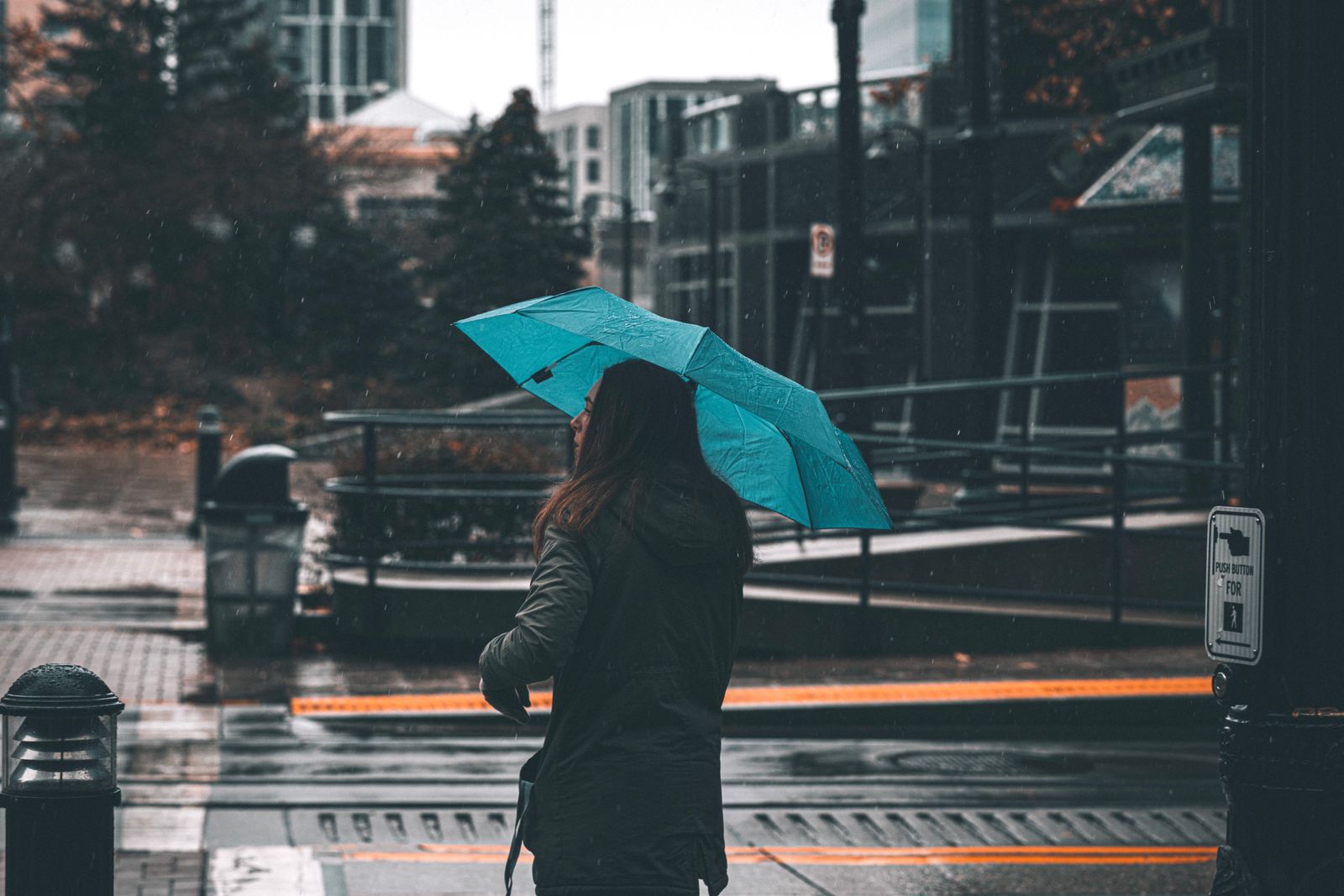
How to Choose Outerwear for a Full Day of Sightseeing in Variable Weather
A sightseeing day is not one weather event — it is six or seven in sequence, and the jacket that handles it has to be adjustable rather than specialized. The criteria that matter most are hood adjustability, coverage length, secure pockets, heat management, and whether the coat packs small enough to carry once the sky clears. Everything else is preference.
Start from the day, not the product page
Write out a real sightseeing day and the requirements select themselves. A typical one runs like this: leave the hotel in drizzle at nine, stand in a queue for forty minutes, spend two hours inside a building, come out into full sun, walk exposed pavement for an hour, get caught in a shower, then eat dinner somewhere that has a coat hook.
That sequence contains four distinct demands. You need rain protection while standing still, sun protection while walking in the open, somewhere to put the jacket when you are indoors, and an appearance that works in a restaurant. Most outerwear handles two of the four. The gap between two and four is what people are describing when they say they packed the wrong jacket.
The criteria that decide it, in order of impact
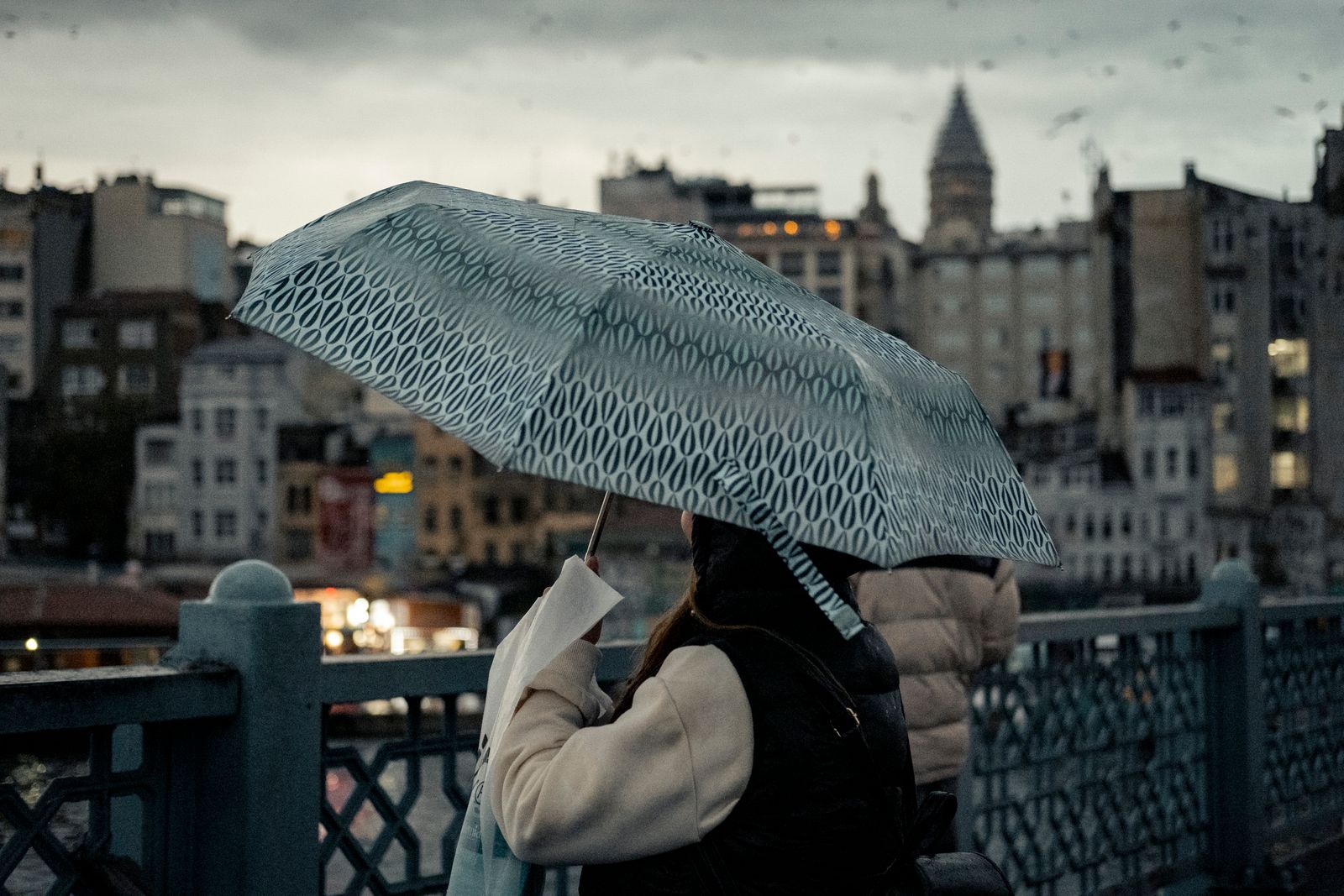
Photo by Zeynep Sude Emek on Pexels
| Criterion | Why it matters on a sightseeing day | What to look for | |---|---|---| | Hood adjustability | You stand still in rain more than you walk in it | A drawstring hood you can tighten to actual conditions, not a fixed opening | | Coverage length | Queues and outdoor seating soak legs | A hem that continues past the hips | | Secure pockets | Crowds, transit, sitting down | Zippered closures deep enough to hold a phone and wallet | | Heat management | Long days, indoor and outdoor swings | A breathable lining plus openings you can release | | Packability | The jacket only helps if you brought it | Folds into its own pocket, no separate stuff sack to lose | | Sun protection | Reflected UV off pavement and water | A stated UPF rating, not just a light color | | Sealed construction | Sustained rain, not just showers | Explicit sealed or taped seam language | | Adjustable fit | Layers change through the day | A cinchable waist and closing cuffs | | Appearance indoors | You cannot always take it off | A silhouette that reads as outerwear rather than sportswear |
Weight and packed volume matter, but they are the fifth-most-important thing rather than the first. A very light jacket that leaves your legs wet in a forty-minute queue has not saved you anything.
What a full-day coat needs to do that a commuting jacket does not
A commute is short, repeated, and predictable. Sightseeing is long, one-off, and improvised. The differences that follow are concrete.
It has to be worn for hours, not minutes. Anything mildly annoying at ten minutes becomes intolerable at four hours — a hood that blocks peripheral vision, cuffs that will not stay put, a hem that rides up.
It has to handle standing still. Most rainwear is evaluated while moving. Queues, viewpoints, boat decks, and outdoor tables all mean standing in weather with no body heat being generated, which is when coverage and closures matter most.
It has to survive being taken off and put back on repeatedly. Six transitions a day is normal. A coat that folds into its own pocket goes into a day bag; one that does not gets tied to a strap and forgotten on a chair.
It has to work in the sun as well as the rain. This is the requirement most travelers overlook, and it is why a jacket with UPF 50+ sun protection that blocks 98% of harmful UV rays does more work on a mixed itinerary than a rain-only shell.
How the Waterproof Hooded Trench Coat maps to those criteria
Taking the criteria table in order, here is what the coat actually offers:
- Adjustable drawstring hood for custom coverage, so you can close it down in wind-driven rain and open it up for shade.
- Fully waterproof outer shell with sealed seams, which is the specification that matters in sustained rain rather than a passing shower.
- UPF 50+ sun protection blocking 98% of harmful UV rays for the midday and afternoon stretch of the day.
- Breathable mesh lining to prevent overheating in warm weather, which is the main comfort risk on a long day.
- Cinchable waist that gives you both a controlled silhouette in town and a ventilation dial on a climb.
- Snap-button cuffs that seal out wind and water and open in a second when you warm up.
- Two deep zippered pockets for a phone, wallet, and tickets in a crowd.
- Lightweight and packable, folding into its own pocket so it travels in a day bag rather than on a strap.
A five-step way to shortlist any candidate
Photo by Galina Yarovaya. on Pexels
What not to pay attention to
Ultralight weight above all else. Useful for backpacking, misleading for sightseeing. Coverage and adjustability serve you better than the last few grams.
A very high number of pockets. Two deep, secure pockets beat five shallow ones. What you want is capacity that closes, not variety.
Bold technical styling. It signals capability and delivers awkwardness indoors. A plain silhouette does the same job in more places.
Fabric branding you cannot verify. Descriptions of construction — waterproof shell, sealed seams, breathable lining, stated UPF — are checkable claims. Proprietary names on their own are not.
FAQ
Do I need a separate sun layer and rain layer? Not if one garment carries a stated UPF rating and a waterproof, sealed-seam construction. Two garments means one is in your bag at any moment, and the odds are good it is the one you need. Our guide to a lightweight trench coat for rain covers the single-layer approach.
How long should the coat be for sightseeing? Long enough to cover the hips and continue over the thighs. That is the range that keeps you dry while standing in a queue and still lets you walk normally and climb stairs without gathering fabric.
Is a hood better than an umbrella for city sightseeing? A hood leaves both hands free, does not fail in wind, and does not have to be carried once the rain stops. An umbrella keeps your face drier in vertical rain. On a full day of moving between sites, the hood usually wins on practicality.
What if the forecast is mostly sun? Mostly-sun forecasts are where a UPF-rated coat that packs into its own pocket earns its space, because it covers the sun hours and the one unforecast shower without a second garment. For pairing it with the rest of what you pack, see our styling and travel guide.
A practical next step
Sketch out one real day from your upcoming trip, hour by hour, and mark each hour as rain-exposed, sun-exposed, indoors, or in transit. Then check your jacket against the four demands that day produces. If it covers three of four, you already know what to fix — and it is almost always the hood, the hem length, or whether the coat packs small enough to actually come with you.
Cover photo by Isaac Mitchell on Pexels.