
History and Evolution of the Waterproof Hooded Trench Coat
 Maya ChenContributing Editor
The waterproof trench coat is more than outerwear—it's a piece of living history. Its silhouette is instantly recognizable, evoking images of rain-slicked city streets, classic film noir, and timeless elegance. But this iconic garment’s story begins not on a fashion runway, but in the muddy, unforgiving trenches of World War I. From a military necessity to a modern wardrobe essential, the journey of the trench coat is a masterclass in design, function, and enduring style. Let's explore how this classic evolved into today's indispensable Waterproof Hooded Trench Coat.
Forged in Conflict: The Birth of the Trench Coat
Before the trench coat, soldiers in WWI wore heavy wool greatcoats that became waterlogged, foul-smelling, and impossibly cumbersome in the wet conditions of trench warfare. A better solution was desperately needed. British brands Burberry and Aquascutum rose to the challenge, developing coats from gabardine—a revolutionary, tightly woven cotton fabric invented by Thomas Burberry that repelled water while remaining breathable.
These garments were designed with military precision. According to the Imperial War Museums, innovations born from the war were all about function. The coat's key features served specific purposes: epaulets secured gloves or gas mask straps, a gun flap added protection during combat, and D-rings on the belt held map cases and other equipment. Lighter than wool and far more weather-resistant, the “trench coat” was born, giving officers a critical advantage against the elements.
From the Front Lines to the Silver Screen
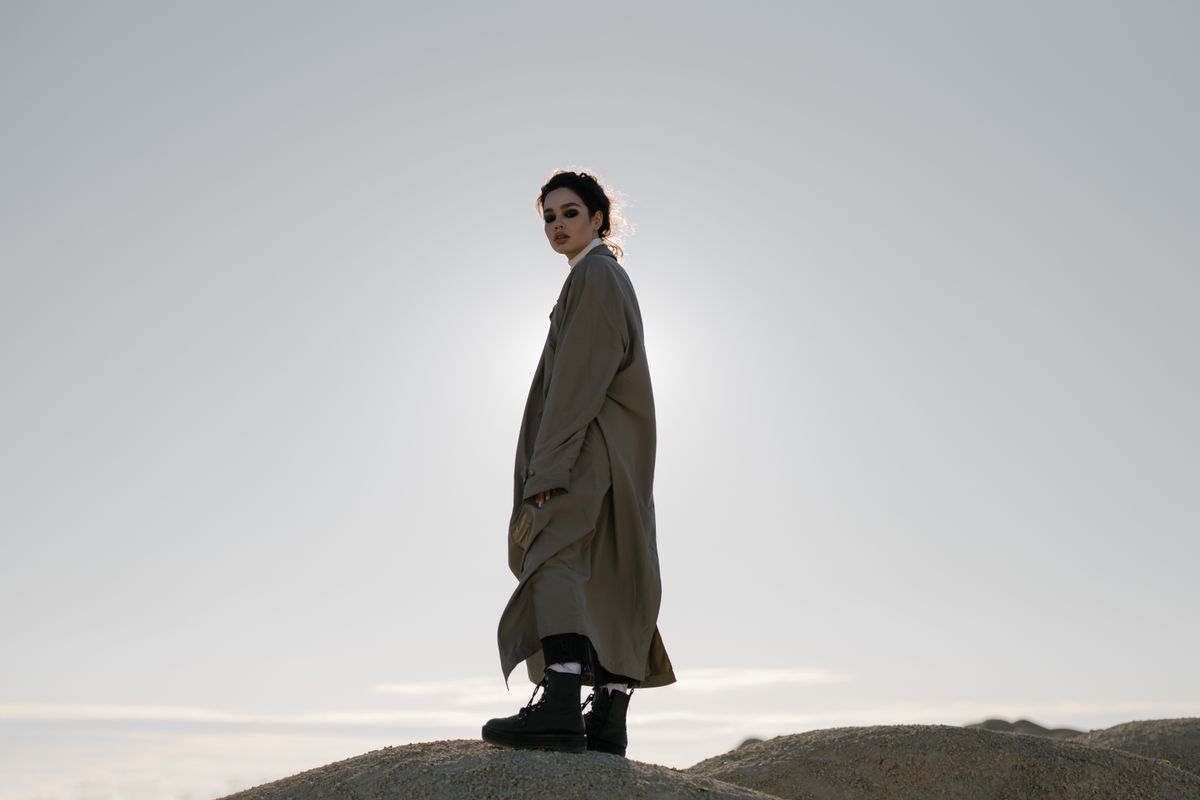
Photo by cottonbro studio on Pexels
After the war, veterans brought their functional and surprisingly stylish coats home. Civilians, weary of wartime austerity, were drawn to the coat’s sharp tailoring and practical nature. It quickly became a popular choice for both men and women seeking reliable protection from the weather without sacrificing sophistication. This transition cemented its place in everyday life, proving that staying dry in style was a powerful combination.
Hollywood sealed the trench coat's fate as a cultural icon. Humphrey Bogart as the cynical Rick Blaine in Casablanca (1942) gave the coat an aura of mystery and romantic world-weariness. Later, Audrey Hepburn in Breakfast at Tiffany's (1961) transformed it into a symbol of gamine chic, proving its versatility. These cinematic moments elevated the trench coat from mere rainwear to a statement of effortless cool.
The Modern Evolution: The Hooded Advantage
While the classic design remains timeless, the trench coat has continued to evolve. Designers have experimented with new fabrics, colors, and cuts, but the most significant modern update addresses a core challenge: complete head-to-toe protection. This is where the Waterproof Hooded Trench Coat comes in.
The addition of an integrated, fully waterproof hood is a game-changer. It offers the ultimate convenience, eliminating the need for an umbrella and providing seamless protection in a downpour. This evolution honors the coat's original spirit of pure functionality, adapting it for a contemporary lifestyle where practicality is paramount. It demonstrates the sheer versatility of the waterproof hooded trench coat, making it an even more indispensable part of a modern wardrobe.
Deconstructing a Classic: Timeless Features

What gives the trench coat its enduring appeal are the details that have been carried through its history. Understanding their original purpose reveals the genius of its design.
- The Double-Breasted Front & Storm Flap: The overlapping front and buttoned flap at the collar were designed to provide an extra layer of protection against wind and driving rain.
- The Belt with D-Rings: The signature belt cinches the waist for a flattering silhouette. While the D-rings are now mostly a nod to heritage, they were once used to hang military gear.
- The Vented Back: The single vent at the back wasn't just for style; it allowed for greater freedom of movement, essential for soldiers navigating difficult terrain.
- The Modern Hood: The most crucial contemporary feature, the hood, transforms the coat into a complete rain-protection system, showcasing the practical power of a waterproof hooded trench coat.
A Legacy of Practical Style
The waterproof trench coat's journey from a military workhorse to a fashion icon is a powerful story of brilliant, purpose-driven design. It’s a rare garment that has not only survived for over a century but has thrived, continuously adapting without losing its soul. Investing in a quality Waterproof Hooded Trench Coat isn't just about buying an item of clothing; it's about owning a piece of history, a symbol of resilience, and a versatile staple that perfectly marries form and function for years to come.
Frequently Asked Questions
Why is it called a trench coat?
It earned its name directly from its use by British officers in the trenches of World War I. The coat was specifically designed to offer superior protection and mobility in the harsh, wet conditions of trench warfare compared to the standard-issue wool greatcoats.Are waterproof trench coats still in style?
Absolutely. The trench coat is considered a timeless fashion staple that never goes out of style. Its classic silhouette, incredible versatility, and practical function ensure it remains a favorite for designers and style-conscious individuals season after season.What makes a hooded trench coat a modern essential?
The addition of a hood makes an already practical garment even more functional for modern life. It provides complete rain protection without the need for an umbrella, offering hands-free convenience whether you're commuting to work, running errands, or traveling.